A swimming pool can bring a new level of comfort and enjoyment to a backyard. It can provide a place for morning exercise, weekend gatherings, family activities, or quiet afternoons outside. However, creating a pool that works well for your property requires thoughtful planning before construction begins.
Homeowners considering new pool construction in Fort Worth TX should look at more than the pool itself. The surrounding landscape, available space, drainage, access, safety, maintenance, and future use can all influence the finished project. Taking time to consider these details can help create an outdoor area that feels comfortable and practical.
Start With Your Backyard Goals
The first step is to determine why you want a pool. Your answer can guide many of the decisions that follow. A family interested in recreational swimming may have different requirements from homeowners who mainly want a peaceful outdoor retreat.
Think about how often the pool will be used and who will use it. Consider children, adults, guests, and anyone who may have specific accessibility needs. You should also think about whether the pool will be used for exercise, entertaining, relaxation, or several purposes.
Match the Pool to Your Lifestyle
A pool should support your everyday life rather than simply look attractive. If you enjoy hosting guests, space around the pool for chairs and tables may be important. If swimming is your main goal, the pool dimensions and depth may deserve more attention.
Planning around actual use can help you avoid unnecessary features and create a more practical backyard.
Evaluate Your Available Backyard Space
The amount of available space can influence almost every part of the project. A pool that is too large can leave little room for seating, landscaping, walkways, or other outdoor activities.
Measure the usable area and consider existing structures before choosing a design. Your home, fences, trees, patios, utility areas, and property boundaries may all affect where the pool can be placed.
A professional site evaluation can provide additional information about the property before construction begins.
Choose a Suitable Pool Location
Pool placement can influence sunlight, privacy, access, and maintenance. Look at the backyard throughout the day and consider which areas receive direct sunlight and which areas receive shade.
Privacy is also worth considering. Depending on the property, fences, walls, landscaping, and the position of the pool can help create a more comfortable setting.
Consider the View From Your Home
Think about what you will see from inside the house. A pool can become a major visual feature of the property, so its placement should work with the home’s existing appearance.
A thoughtful layout can create a natural connection between indoor and outdoor spaces. It can also make the backyard feel more organized instead of placing the pool in an isolated part of the property.
Understand Inground Swimming Pool Installation
An inground swimming pool installation involves several stages, and the exact process depends on the design and property. Homeowners should understand the basic stages so they can make informed decisions.
Planning usually comes first, followed by site preparation and excavation. Construction then moves through structural work, plumbing, electrical components, interior finishing, and equipment installation.
Planning and Design
During the design stage, homeowners can make decisions about the pool’s shape, size, depth, entry points, steps, materials, and surrounding areas.
The design should account for both appearance and practical use. A pool should fit naturally within the available property while leaving enough room for people to move around comfortably.
Excavation and Construction
After the design and site preparation are complete, excavation creates the space needed for the pool. The construction process then continues according to the selected pool system and design.
Site conditions can influence the work. Soil, drainage, access, existing utilities, and nearby structures may need to be considered before construction begins.
Select Pool Features Carefully
Pool features can improve comfort and visual appeal, but homeowners should choose them based on genuine needs. Adding too many features can increase project complexity and future maintenance.
Some homeowners may consider:
- Comfortable steps, built in seating, shallow areas, and practical entry points
- Pool lighting, water features, outdoor seating, and entertainment areas
- Equipment designed to support filtration, circulation, and routine cleaning
Think about how each feature will be used before adding it to the project. A simple feature that improves everyday comfort may provide more value than something that is rarely used.
Make Safety Part of the Design
Safety should be included in the planning process from the beginning. The pool area should provide appropriate access control, visibility, and barriers based on the property and household.
Families with young children may need additional precautions. Local requirements can also apply to fencing, gates, electrical systems, and other pool construction details.
Homeowners should discuss applicable requirements with qualified professionals before construction. Once the pool is complete, responsible supervision and clear swimming rules remain important.
Plan for Maintenance
Every swimming pool requires regular care. Cleaning, water treatment, filtration, circulation, and equipment maintenance are all part of pool ownership.
Before choosing materials and equipment, think about how much maintenance you are comfortable handling. A design that looks attractive but requires more frequent care may not be the right choice for every household.
Think About the Surrounding Landscape
Trees, plants, and other landscaping can affect pool maintenance. Leaves and other natural debris may enter the water, while certain plants may require regular trimming or watering.
The surrounding landscape should therefore be planned alongside the pool. Suitable plant placement can provide shade and privacy while helping maintain a manageable outdoor environment.
Create a Comfortable Pool Deck
The area around the pool can have a major effect on how the backyard is used. A suitable deck or patio provides space for walking, seating, relaxing, and entertaining.
Consider where people will sit and how they will move around the pool. Leave enough room for outdoor furniture without making the area feel crowded.
The surface material should also be appropriate for an outdoor pool environment. Discuss material options with your contractor to determine which choices fit your design and maintenance preferences.
Plan Your Budget Carefully
Pool construction costs can vary depending on many factors. Pool size, shape, materials, site conditions, equipment, finishes, landscaping, and additional features can all affect the overall investment.
Before construction begins, ask for a clear explanation of the project scope. Understand which services and materials are included and discuss how unexpected site conditions could affect the project.
It is also important to consider ongoing ownership costs. Cleaning supplies, water treatment, electricity, equipment servicing, and repairs can become part of your regular expenses.
Think About Long Term Use
A pool is a long term addition to your property. Your household may use the space differently in the future, so flexibility can be valuable.
Consider whether the design will remain comfortable as children grow or family routines change. Practical entry points, comfortable seating, open deck areas, and an adaptable landscape can help the backyard remain useful over time.
Planning for future needs can also reduce the need for major modifications later.
Work With an Experienced Professional
Choosing the right professional can make the construction process easier to understand. Before hiring a contractor, review previous projects, experience, customer feedback, communication, and the services included.
Ask about the construction process, expected timeline, materials, permits, warranties, and post construction support. Clear communication before work begins can help establish realistic expectations.
When researching new pool construction in Fort Worth TX, discuss your specific property rather than relying only on general information. A site specific approach can help identify considerations that may not apply to every backyard.
Design a Backyard You Can Enjoy
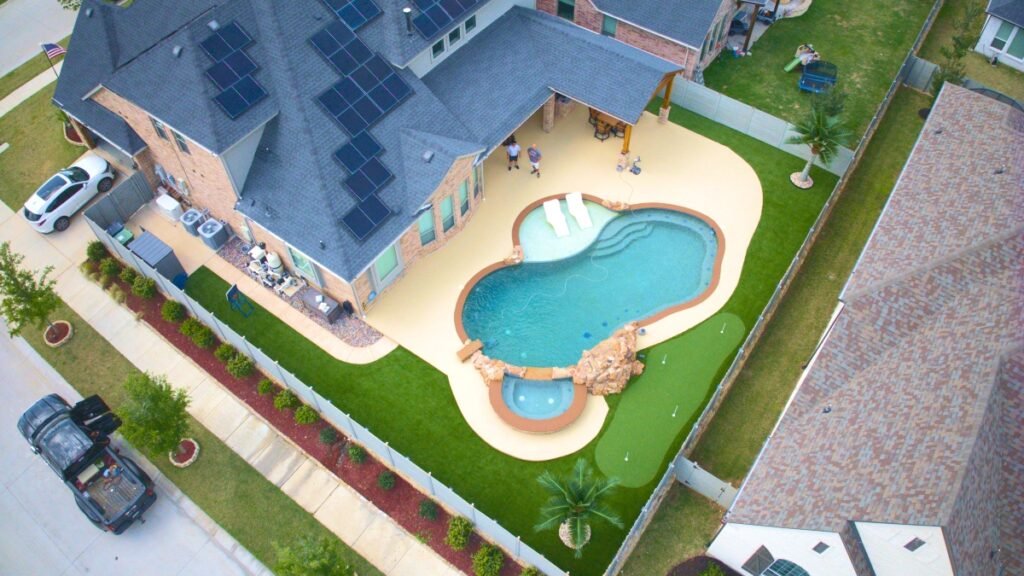
The best pool projects consider the entire outdoor environment. The pool, deck, landscaping, seating, lighting, and access points should work together instead of competing for space.
A thoughtful design can turn a basic backyard into an area that supports relaxation, recreation, and outdoor gatherings. It can also make the property more enjoyable without sacrificing practical needs.
Conclusion
Planning an inground swimming pool installation involves more than choosing the size and shape of the pool. Homeowners should consider property conditions, placement, safety, maintenance, surrounding landscaping, budget, and long term use before construction begins.
For homeowners exploring new pool construction in Fort Worth TX, careful planning can help bring these different elements together. RP Landscape can help create a cohesive outdoor environment where the pool and surrounding landscape complement each other and provide a comfortable space for everyday enjoyment.