If you're still sketching out logos, colors, or placement, a patch maker free tool can save a lot of back-and-forth — you get a realistic preview of the artwork before committing to sewing or hook-and-loop backing,
Anyone who has customized a jacket, uniform, or backpack eventually runs into the same fork in the road: should the patch be sewn on for good, or attached with hook-and-loop backing so it can come off later? The two methods look similar from a few feet away, but they solve very different problems, and picking the wrong one can mean redoing the work a year down the line.
Two Ways to Attach a Patch
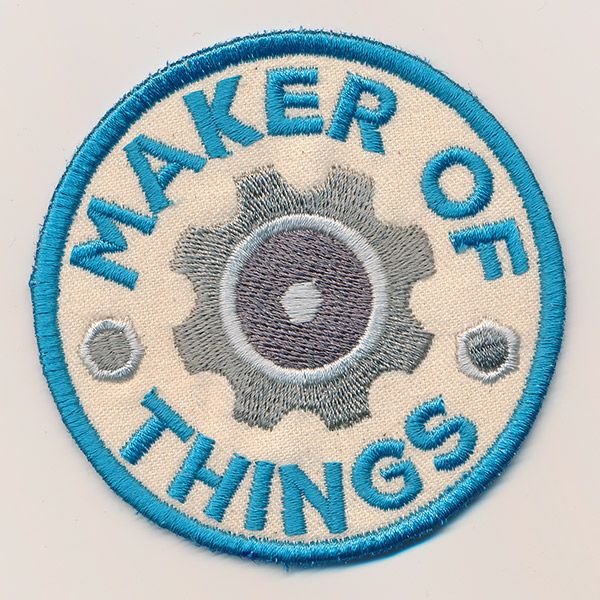
A sewn patch is stitched directly into the fabric with a needle and thread (or a sewing machine, for bulk orders). Once it’s in place, it’s part of the garment. There’s no peeling it off without leaving a mark, and no swapping it out on a whim.
A hook-and-loop patch works differently. The patch itself carries the “hook” side of the fastener, while a matching “loop” panel gets sewn onto the garment first. After that one-time setup, the patch snaps on and off in seconds — which is exactly why a sew on velcro patch setup shows up so often on tactical vests, name tapes, and gear that changes hands or roles frequently.
Durability: The Real Tradeoff
This is where the decision usually gets made. A properly sewn patch can hold up for five to ten years or more, especially on items that don’t see rough daily wear. The stitching doesn’t degrade the way a mechanical fastener does.
Hook-and-loop patches, on the other hand, wear out with use. Every time the hooks catch and release, they lose a little bit of grip. Depending on how often the patch is removed and reattached, expect one to three years of solid holding power before it starts feeling loose. That’s a perfectly acceptable lifespan for something meant to be temporary — it’s just not built for permanence.
When Each Option Makes Sense
Choose sew-on when:
- The look needs to be clean, flat, and professional (think company uniforms or formal team jackets)
- The item is a long-term keeper — a denim jacket, a leather vest, a varsity jacket
- You want the lowest cost per patch and don’t mind a one-time sewing job
Choose hook-and-loop when:
- The patch needs to move between items, or come off entirely (tactical gear, scout uniforms, seasonal team rosters)
- Different people will use the same base garment with different patches over time
- You’d rather avoid a needle altogether once the loop panel is in place
Neither option is objectively “better” — they’re built for different situations. A police department swapping unit patches between shifts needs the flexibility of hook-and-loop. A biker club putting a permanent emblem on a leather vest wants the strength of stitching.
A Few Practical Notes
- Never iron a hook-and-loop patch — the heat melts the plastic hooks and ruins the fastener.
- Always close the hook side before machine-washing anything with Velcro attached, or it will snag on other fabric in the load.
- You can convert a standard sew-on patch into a removable one after the fact by stitching or sticking a hook strip onto its back — handy if you change your mind later.
Mocking It Up Before You Commit
Before ordering a full production run of either style, it helps to see the design on the actual garment first. If you’re still sketching out logos, colors, or placement, a patch maker free tool can save a lot of back-and-forth — you get a realistic preview of the artwork before committing to sewing or hook-and-loop backing, so there are no surprises once the patches arrive.
For a deeper breakdown of lifespan, pros and cons, and washing tips for both styles, Rush Patch’s full comparison guide is worth a read — it covers the FAQs that come up most often, from uniform recommendations to whether sew-on patches can be retrofitted with Velcro.
Bottom Line
If permanence, a sleek look, and long-term durability matter most, sew it on. If flexibility, quick swaps, and reusability matter more, go hook-and-loop. Most closets end up with a bit of both — and now you know exactly which one to reach for.