Sports and physically active lifestyles place repeated demands on muscles, joints, tendons, ligaments, and the body’s movement system. Whether a person participates in competitive athletics, recreational exercise, running, strength training, or weekend activities, an injury can interrupt training and affect everyday movement. Sports Therapy in Ashburn provides a structured approach to rehabilitation by addressing pain, mobility limitations, weakness, coordination, and other factors that may interfere with physical performance. The purpose of sports-focused physical therapy is not simply to help an injured area feel better but to restore appropriate movement and physical capacity for the activities the individual wants to resume.
For athletes and active adults, selecting the right rehabilitation approach can be particularly important because returning to activity too quickly may leave unresolved weaknesses or movement limitations. Sports Therapy in Ashburn can provide individualized guidance based on the person’s injury, physical condition, activity level, and performance goals. State Of The Art Physical Therapy offers outpatient rehabilitation in Ashburn and works with individuals experiencing a range of orthopedic and movement-related concerns. A carefully progressed treatment plan can help patients rebuild strength and confidence while preparing their bodies for the demands of their preferred activities.
Understanding the Role of Sports Therapy
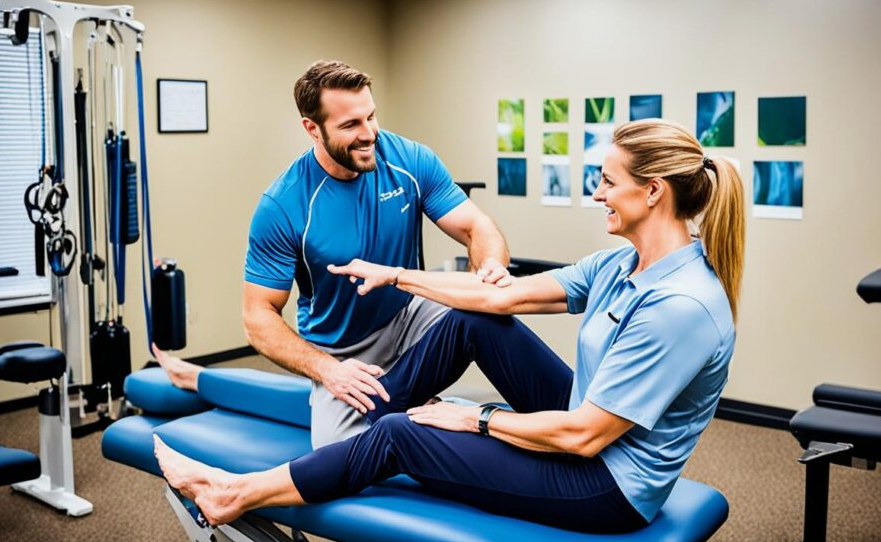
Sports therapy combines principles of physical rehabilitation with an understanding of the physical demands associated with athletic and recreational activities. A therapist may evaluate movement patterns, flexibility, strength, balance, joint mobility, coordination, and functional performance to understand where limitations exist. The evaluation is important because two people with similar symptoms may have very different rehabilitation needs. A runner, for example, may require attention to lower-body strength and movement mechanics, while a tennis player may have different demands involving the shoulder, elbow, trunk, and lower extremities. Treatment can include therapeutic exercises, mobility work, manual techniques, strengthening, movement education, and progressive functional activities. As rehabilitation advances, the focus can shift from restoring basic movement toward preparing the patient for increasingly demanding activities.
Common Sports Injuries That May Require Rehabilitation
Athletic injuries can range from relatively minor strains to more significant conditions requiring extended rehabilitation. Common concerns may include muscle strains, ligament injuries, tendon problems, joint pain, fractures, overuse injuries, and mobility limitations following surgery. Repetitive stress can also contribute to problems when training volume, technique, recovery, or physical capacity are not well matched. An effective rehabilitation plan should consider not only the location of discomfort but also the circumstances surrounding the injury. Understanding how the injury occurred, what activities aggravate symptoms, and which movements have become difficult can help shape treatment. Rehabilitation may then focus on restoring appropriate movement and gradually rebuilding the strength and tolerance required for the patient’s activities. This individualized process can be useful for both competitive athletes and recreational participants who want to return to their normal routines.
How Individualized Treatment Supports Athletic Recovery
A personalized treatment plan gives rehabilitation a clear progression from the patient’s current abilities toward specific functional goals. Early treatment may emphasize pain management, comfortable movement, mobility, and foundational strength. As the body adapts, exercises can become progressively more challenging, incorporating greater resistance, coordination, balance, endurance, and functional movement. The pace should reflect the individual’s response rather than following a universal timeline. This is especially important because athletes often feel pressure to return to training quickly. A gradual approach allows physical capacity to be developed alongside confidence in movement. Therapists can also modify exercises based on the demands of a particular sport or activity, helping patients prepare for movements that resemble their normal training. The result is a rehabilitation process that connects clinical treatment with practical athletic goals.
Building Strength, Flexibility, and Movement Control
Strong and coordinated movement is fundamental to athletic performance and injury recovery. Rehabilitation may target specific muscles that have become weak following an injury or period of reduced activity, while also improving how different muscle groups work together. Flexibility and joint mobility can be addressed when restrictions interfere with movement quality. Balance and coordination may also be incorporated because many sports require rapid changes in direction, single-leg control, jumping, landing, or other complex movements. These abilities can be developed progressively according to the patient’s condition and goals. Importantly, strengthening should not be viewed as simply lifting heavier weights. Proper technique, controlled movement, appropriate resistance, and gradual progression all matter. A well-designed program aims to improve physical capacity without unnecessarily overwhelming tissues that are still adapting to rehabilitation.
Returning to Sports After an Injury
Returning to sports involves more than deciding when pain has decreased. An athlete may need to regain adequate strength, mobility, balance, coordination, endurance, and confidence before resuming full activity. The specific requirements depend heavily on the sport and the nature of the injury. A basketball player may need to tolerate jumping, landing, rapid acceleration, and directional changes, while a swimmer may have different movement and endurance requirements. Rehabilitation can gradually introduce activities that reflect these demands as appropriate. Monitoring how the body responds to increased workload can help guide progression. If certain movements continue to cause difficulty, additional attention may be necessary before activity is increased further. This measured process helps athletes understand their current capabilities and avoid treating the return to sport as a single event rather than a gradual progression.
Choosing Sports Therapy in Ashburn
Selecting a physical therapy provider should involve consideration of the patient’s specific rehabilitation needs, activity level, and goals. Athletes may benefit from working with professionals who understand the importance of progressive strengthening, functional movement, and activity-specific preparation. Patients can ask about the evaluation process, treatment approach, home exercises, progress tracking, and how rehabilitation may be adjusted as their abilities improve. Practical factors such as location and appointment availability can also influence consistency. State Of The Art Physical Therapy provides outpatient physical therapy services in Ashburn and serves individuals with a variety of orthopedic and physical conditions. For active patients, discussing their sport, training schedule, previous injuries, and desired return-to-activity goals can help create a rehabilitation plan that is more relevant to their lifestyle.
Supporting Recovery Outside the Clinic
What an athlete does between therapy sessions can also influence the rehabilitation experience. Patients may receive exercises or movement strategies to practice at home, and following those instructions consistently can reinforce skills developed during appointments. Adequate recovery between demanding activities is equally important, particularly when the body is rebuilding strength and tolerance. Athletes should communicate openly about training volume, soreness, changes in symptoms, and difficulties with prescribed exercises. Avoiding sudden increases in activity can also help the body adapt to new workloads more gradually. Rehabilitation should complement the individual’s overall activity plan rather than operate separately from it. By maintaining communication with the therapist and respecting the progression established during treatment, patients can make more informed decisions about when and how to increase physical demands.
Conclusion
Sports rehabilitation can provide valuable support for athletes and active adults recovering from injuries or working to overcome physical limitations that interfere with exercise. Effective treatment combines assessment, individualized exercise, mobility work, strength development, movement education, and gradual progression toward activity-specific demands. For individuals seeking Sports Therapy in Ashburn, State Of The Art Physical Therapy provides a local outpatient option for addressing a variety of orthopedic and movement-related concerns. The most practical approach is to focus on restoring the physical abilities required for the desired activity rather than rushing toward an arbitrary return date. With professional guidance, consistent participation, and realistic progression, athletes can work toward returning to their activities with improved strength, movement control, and confidence.