Phosphorus occupies a unique position in human nutrition. On one hand, it is the second most abundant mineral in the human body, essential for structural integrity, cellular energy production, and metabolic balance. On the other, elevated blood levels of phosphate pose serious cardiovascular and skeletal health risks, particularly for individuals with compromised renal function.
Whether phosphorus acts as a vital building block or a health hazard depends entirely on physiological context, renal clearance capacity, and the specific dietary forms consumed.
This guide explores the biological functions of phosphorus, how organic and inorganic forms differ in bio-availability, when intake becomes a clinical concern, and practical strategies for maintaining optimal mineral balance.
The Dual Role of Phosphorus in Human Physiology
To understand why phosphorus is both necessary and potentially problematic, it helps to examine its metabolic roles alongside the mechanisms the body uses to regulate it.
Why Phosphorus Is Essential
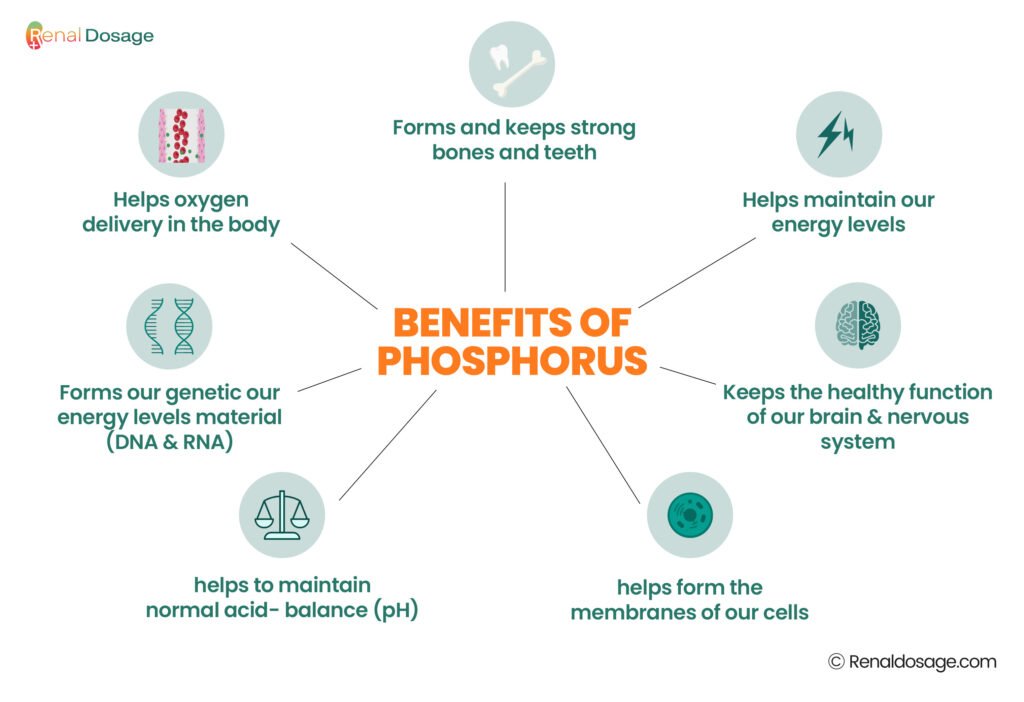
Phosphorus works in close coordination with calcium to perform several fundamental biological functions:
- Bone and Dental Health: Approximately 85% of the body’s phosphorus is stored in bones and teeth as hydroxyapatite crystals, providing mechanical strength and structural rigidity.
- Cellular Energy Production: It is a core component of adenosine triphosphate (ATP), the primary energy currency used by cells for muscle contraction, nerve impulse transmission, and biochemical synthesis.
- Cell Membrane Structure: Phospholipids form the structural lipid bilayer of every cell membrane in the body.
- Genetics and Enzymatic Function: It forms the structural backbone of DNA and RNA and plays a crucial role in activating enzymes through phosphorylation.
When Does Phosphorus Become a Health Concern?
For individuals with normal renal clearance, dietary phosphorus rarely causes toxicity because healthy kidneys adjust urinary excretion to match intake. However, when kidney function declines such as in chronic kidney disease (CKD) the body loses its ability to excrete excess phosphate, leading to hyperphosphatemia (abnormally high serum phosphate levels).
The Risks of Hyperphosphatemia:
- Renal Osteodystrophy: High phosphate levels lower active vitamin D production and trigger excess parathyroid hormone release. This pulls calcium out of bones, making them brittle and weak.
- Vascular Calcification: Excess phosphate combines with calcium in the bloodstream, depositing hard crystals in arterial walls, heart valves, and soft tissues. This significantly increases cardiovascular mortality risk.
- Itching and Tissue Damage: Severe phosphate accumulation can cause calciphylaxis, a painful condition characterized by skin necrosis and persistent itching (pruritus).
Organic vs. Inorganic Phosphorus: The Bioavailability Factor
Not all food sources of phosphorus affect blood levels equally. The chemical structure determines how much mineral the digestive tract absorbs.
1. Plant-Based Organic Phosphorus (Lowest Absorption)
Found naturally in seeds, nuts, legumes, whole grains, and beans.
- Absorption Rate: 30% to 50%.
- Why: In plant foods, phosphorus is largely bound as phytate (phytic acid). Because humans lack the phytase enzyme necessary to break phytate down completely, much of the mineral passes through the digestive tract unabsorbed.
2. Animal-Based Organic Phosphorus (Moderate Absorption)
Found naturally in meat, poultry, fish, dairy products, and eggs.
- Absorption Rate: 40% to 60%.
- Why: Bound to proteins, making it easier to break down during enzymatic digestion than plant phytates, but still absorbed at a moderate rate.
3. Inorganic Phosphorus Additives (Highest Absorption)
Used as chemical preservatives, emulsifiers, acidifiers, and moisture-retention agents in processed foods, fast food, dark colas, processed meats, and commercial baked goods (e.g., phosphoric acid, disodium phosphate).
- Absorption Rate: 90% to 100%.
- Why: Inorganic phosphate salts are unbound and highly soluble in the digestive tract, entering the bloodstream almost immediately after ingestion.
Dietary Comparison: Natural vs. Synthetic Sources
| Attribute | Organic (Natural Foods) | Inorganic (Food Additives) |
| Common Sources | Dairy, meat, fish, nuts, beans, grains | Soda, processed meats, frozen meals, bakery mixes |
| Digestive Bound State | Bound to proteins or phytates | Free salts / highly soluble |
| Gastrointestinal Absorption | 30%–60% | 90%–100% |
| Impact on Serum Phosphate | Slow, gradual increase | Rapid, pronounced serum spike |
| Nutritional Value | High (delivers protein, fiber, vitamins) | Low (empty calories, chemical additives) |
How to Manage Intake for Optimal Health?
Whether you are looking to support overall wellness or manage chronic kidney disease, balancing mineral intake requires smart dietary choices.
Actionable Dietary Strategies:
- Read Ingredient Labels: Scan food labels for words containing “PHOS” (such as dicalcium phosphate, monocalcium phosphate, or phosphoric acid). Avoiding these items removes the most easily absorbed forms from your diet.
- Emphasize Fresh, Whole Foods: Preparing meals from fresh produce, lean meats, and whole grains naturally reduces exposure to hidden additives.
- Utilize Boiling Techniques: Boiling meats and vegetables in water reduces phosphorus content, as water-soluble minerals leach out into the cooking liquid (which should then be discarded).
- Mind Pharmacological Interactions: Patients with kidney disease often require prescription phosphate binders taken with meals to block intestinal absorption. Managing these clinical interventions requires monitoring serum chemistry markers, and reviewing clinical guides like the analysis on phosphorus essential nutrient or dietary concern can help clarify how dietary restrictions align with medical care.
Frequently Asked Questions
- What is the recommended daily intake of phosphorus for healthy adults?
The Recommended Dietary Allowance (RDA) for healthy adults is 700 mg per day. However, typical Western diets often deliver 1,400 mg to 1,800 mg daily due to the widespread use of phosphate additives in processed foods.
- Can you have a phosphorus deficiency (hypophosphatemia)?
Yes, although it is relatively rare in healthy individuals consuming a balanced diet. Hypophosphatemia can occur in cases of severe malnutrition, chronic alcoholism, diabetic ketoacidosis, prolonged use of antacids containing aluminum, or rare genetic disorders. Symptoms include muscle weakness, bone pain, and fatigue.
- Why are plant sources preferred over animal sources on a renal diet?
Even though some nuts, seeds, and beans are high in total phosphorus content, their absorption rate is low (30%–50%) due to phytate binding. Additionally, plant-based diets offer fiber and alkalizing benefits that support overall metabolic and kidney health.
- Do dark colas contain significant amounts of phosphorus?
Yes. Many dark sodas use phosphoric acid as a flavor enhancer and preservative. A single serving can add 40 mg to 70 mg of highly absorbable inorganic phosphate directly into your bloodstream without offering any nutritional benefit.
Summary
Phosphorus is an essential nutrient required for bone strength, cellular energy, and metabolic function. For healthy individuals, the body regulates blood levels easily. However, when kidney function declines or when diets rely heavily on processed foods packed with inorganic additives, excess mineral accumulation poses a serious risk to vascular and bone health.