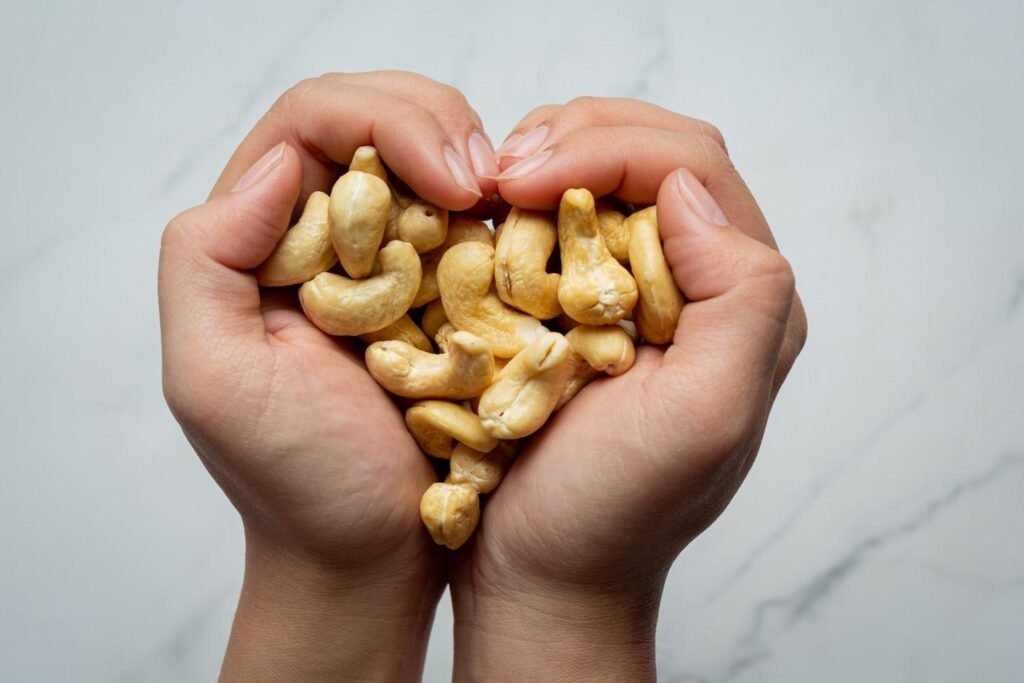
Choosing among the Best Cashew Brands in India is not simply about picking the most attractive package or the lowest price. Cashews can differ significantly in kernel grade, size, freshness, processing quality, taste, packaging, and storage. For consumers, retailers, and businesses, understanding these factors makes it easier to identify cashews that offer consistent quality and value.
India has a well-established cashew processing industry, with manufacturers and processors supplying kernels for domestic consumption as well as international markets. However, not every product offers the same characteristics. Whether you are buying cashews for everyday snacking, cooking, gifting, retailing, or bulk requirements, knowing what to check can help you make a more informed decision.
What Defines the Best Cashew Brands in India?
A good cashew brand should demonstrate consistency across several quality parameters rather than relying on branding alone. The most important factors include kernel quality, freshness, processing standards, packaging, traceability, and product consistency.
A reliable brand should also provide clear product information, including the type or grade of cashew, net weight, ingredients where applicable, packaging details, and relevant regulatory information.
When comparing the Best Cashew Brands in India, consider the complete product rather than judging it on one factor such as price.
1. Check the Cashew Kernel Grade
One of the first things to consider is the cashew kernel grade. Cashew kernels are commonly classified according to characteristics such as size, whole or broken pieces, colour, and defects.
Whole kernels are generally preferred for premium snacking and gifting, while broken kernels can be useful for cooking, bakery applications, sweets, sauces, and food processing.
Common commercial grade designations can include categories such as W180, W210, W240, W320, and W450. The numbers generally relate to the approximate number of whole kernels per pound, although grading conventions and specifications should be checked with the supplier.
For consumers, the important point is simple: grade affects appearance, size, application, and price.
2. Look for Freshness and Natural Taste
Freshness has a major impact on the eating experience. High-quality cashews should generally have a clean, mild, naturally sweet and nutty flavour.
Avoid products with:
- A stale or rancid smell
- Excessive bitterness
- A soft or unusually chewy texture
- Visible mould or moisture damage
- An oily or unpleasant aftertaste
Cashews contain natural fats, which means improper storage can eventually affect their flavour and aroma. This is why freshness should be evaluated along with packaging and storage conditions.
A brand such as Valency Agro can be evaluated using the same objective criteria: product quality, consistency, freshness, packaging, and suitability for the intended application.
3. Examine the Appearance and Texture
Visual appearance can provide useful clues about kernel quality. Good-quality cashews are typically clean, reasonably uniform, and free from obvious insect damage, mould, or excessive discolouration.
The ideal appearance can vary depending on the grade and processing method, so perfectly uniform colour is not always necessary.
Texture also matters. Roasted cashews should generally provide a satisfying crunch, while raw kernels should have a firm, characteristic nut texture. However, texture can change due to roasting, seasoning, moisture exposure, and storage.
Therefore, appearance should be considered together with the product’s stated type and processing method.
4. Pay Attention to Processing and Hygiene
The quality of a cashew depends not only on the raw nut but also on how it is processed, handled, sorted, graded, and packed.
A responsible Cashew Nuts Company in India should maintain appropriate food-safety and hygiene practices throughout its processing operations.
For packaged products, consumers should look for clear labelling and information such as:
- Product name
- Net quantity
- Batch or lot information
- Manufacturing or packing details
- Best-before information
- Storage instructions
- Ingredient and allergen information where applicable
- Relevant food-business or regulatory details
For businesses purchasing in bulk, it can also be useful to ask suppliers about their quality-control procedures, specifications, sampling process, and documentation.
5. Compare Packaging Quality
Even premium-quality cashews can lose quality if they are poorly packaged or stored.
Effective cashew packaging should help protect kernels from moisture, oxygen, contamination, light, and physical damage. Packaging requirements can vary according to product type, shelf life, distribution conditions, and intended market.
For retail buyers, check whether the package is:
- Properly sealed
- Undamaged
- Clearly labelled
- Suitable for food storage
- Free from signs of moisture or tampering
For bulk buyers, packaging becomes even more important because transportation and longer storage can expose products to environmental conditions.
6. Understand the Difference Between Raw, Roasted and Flavoured Cashews
Not all cashew products should be compared in exactly the same way.
Raw cashews are generally valued for their natural flavour and versatility in cooking.
Roasted cashews may have a stronger aroma and crunch because of the roasting process.
Flavoured cashews can contain ingredients such as spices, herbs, seasoning blends, or other flavouring components. In these products, buyers should check the ingredient list and nutritional information rather than comparing them solely with plain kernels.
The “best” product therefore depends on the intended use. A premium whole-kernel product may be ideal for gifting, while smaller or broken kernels may be more practical for culinary or commercial applications.
7. Compare Price Against Quality
Price is important, but the cheapest product is not automatically the best value.
When comparing the Best Cashew Brands in India, consider what you are actually receiving for the price. Factors such as kernel size, whole-kernel percentage, grade, processing quality, packaging, and freshness can influence the final cost.
For example, two packets may have the same weight but differ in kernel grade and percentage of whole pieces. Similarly, a bulk buyer may prioritise consistency and yield over retail-style presentation.
A better approach is to compare price per usable quantity and quality specification, rather than price alone.
8. Check Consistency Across Batches
Consistency is particularly important when buying cashews regularly.
A reliable supplier or brand should aim to maintain relatively consistent characteristics across batches, including grade, size, colour, moisture condition, taste, and packaging standards.
This becomes especially relevant for retailers, food manufacturers, restaurants, bakeries, and distributors. Inconsistent kernels can affect product appearance, recipes, portioning, and customer experience.
Before placing a large order, businesses may consider requesting product specifications or samples and confirming the expected quality parameters.
9. Consider the Brand’s Supply Capability
For commercial buyers, choosing between different Cashew Kernel Brands involves more than assessing the appearance of a retail packet.
Important considerations may include:
- Available grades and sizes
- Minimum order quantities
- Bulk packaging options
- Supply consistency
- Quality documentation
- Delivery capability
- Customisation requirements
- Communication and after-sales support
A company supplying cashews at scale should ideally have processes that support consistent sourcing, processing, grading, and quality control.
Valency Agro, for example, can be assessed from the perspective of product range, quality specifications, packaging, and suitability for the buyer’s particular requirement rather than simply by brand recognition.
10. Choose According to Your Purpose
The right cashew product depends on how you plan to use it.
For snacking, focus on freshness, crunch, taste, and whole-kernel quality.
For gifting, appearance, premium grades, presentation, and packaging may be more important.
For cooking, broken kernels or different grades may provide better value without affecting the final recipe significantly.
For commercial food production, consistency, specifications, bulk availability, and supply reliability are often more important than retail presentation.
This approach makes the buying decision more practical and prevents consumers from paying for features they do not actually need.
A Simple Checklist for Choosing Cashew Brands
Before buying, use this quick checklist:
- Check the kernel grade and size.
- Look for freshness and a clean natural aroma.
- Inspect the kernels for visible defects or damage.
- Review packaging and storage instructions.
- Read the label carefully.
- Compare price with actual quality and grade.
- Check consistency if purchasing repeatedly.
- Choose the product according to its intended use.
- For bulk purchases, ask about specifications and samples.
- Consider the supplier’s reliability, not just its brand name.
Final Thoughts
Finding the Best Cashew Brands in India requires looking beyond advertising and packaging. Cashew kernel grade, freshness, processing, hygiene, packaging, consistency, pricing, and intended use are much more useful indicators when comparing products.
Whether you are an individual consumer, retailer, food manufacturer, or bulk buyer, taking a few minutes to evaluate these factors can help you choose cashews that match your expectations and budget.
Brands and suppliers such as Valency Agro can be compared using these same practical criteria. Ultimately, the best choice is not necessarily the most expensive or most popular option—it is the one that consistently delivers the quality, grade, freshness, and value you actually need.
Frequently Asked Questions
1. How do I choose the best cashew brand in India?
Start by checking kernel grade, freshness, appearance, packaging, labelling, and price-to-quality ratio. For bulk purchases, also consider consistency, specifications, samples, and supply reliability.
2. Which cashew kernel grade is best?
There is no single grade that is best for every purpose. Whole grades such as W180, W210, W240, and W320 are commonly used for different applications. Your choice should depend on kernel size, appearance, budget, and intended use.
3. What should I check before buying cashews online?
Check the product grade, net weight, ingredients, packaging, best-before information, seller or brand details, customer feedback, and storage instructions. Avoid choosing solely on the basis of discounts.
4. How can I identify high-quality cashews?
High-quality cashews should generally have a clean appearance, characteristic nutty flavour, suitable texture, and no signs of mould, insect damage, excessive moisture, or rancidity. The exact appearance can vary according to grade and processing.
5. Is Valency Agro a suitable option for buying cashews?
The suitability of any cashew supplier depends on your specific requirements. When evaluating Valency Agro or another supplier, compare cashew grades, product specifications, freshness, packaging, quality practices, pricing, and supply capability against your needs.
For More Information Click Here:- https://www.valencyagro.com/Cashew-Kernels