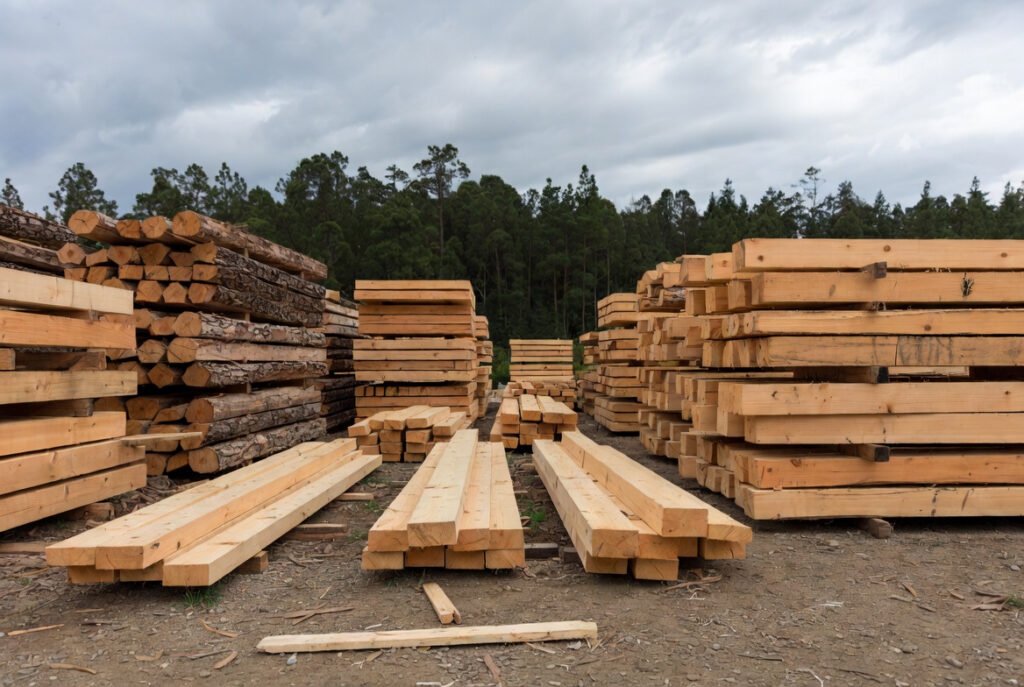
hardwood decking
Outdoor living has become an important part of modern Australian homes. A well planned outdoor area can provide a place for entertaining guests, relaxing with family, enjoying meals, or simply spending more time outside. Among the many materials available for outdoor surfaces, natural timber continues to stand out for its warmth, character, and ability to complement a wide range of architectural styles.
A thoughtfully designed timber deck can connect indoor and outdoor areas while adding practical value to a property. However, creating a successful outdoor space involves more than selecting a visually appealing material. Climate, durability, maintenance, design, installation, and the intended use of the area all need to be considered.
For homeowners planning an outdoor renovation, understanding these factors can make it easier to select materials that deliver both attractive results and reliable long term performance.
Why Timber Works So Well Outdoors
Natural timber has a distinctive appearance that is difficult to replicate with manufactured alternatives. Every board can feature variations in grain, colour, and texture, creating a surface with individual character.
Timber can also complement many architectural styles. It can work alongside:
- Contemporary architecture
- Traditional homes
- Coastal properties
- Modern extensions
- Garden landscapes
- Outdoor entertaining areas
The natural appearance of timber can soften hard architectural elements such as concrete, glass, brick, and metal. This versatility makes timber a popular choice for homeowners who want their outdoor areas to feel connected to the surrounding landscape.
Designing Around the Way You Live
One of the most important considerations when planning an outdoor area is how the space will actually be used. A family may require an area for outdoor dining, while another household may prioritise a lounge area, poolside space, or barbecue zone.
Before selecting materials, consider:
- Number of people using the area
- Expected foot traffic
- Furniture placement
- Exposure to sunlight
- Exposure to rainfall
- Connection with indoor rooms
- Access to the garden
- Privacy requirements
Planning around lifestyle requirements can help create an outdoor area that remains practical rather than simply attractive.
Choosing a Suitable Timber Species
Different hardwood species offer different appearances and performance characteristics. Choosing the right species therefore requires consideration of both aesthetics and practical requirements.
Merbau
Merbau is widely recognised for its rich natural colouring and durability. Its warm tones can create an inviting appearance and work particularly well with contemporary outdoor furniture.
Spotted Gum
Spotted Gum is valued for its distinctive grain and natural colour variation. Its durability makes it a popular option for outdoor applications where the surface may experience regular foot traffic.
Blackbutt
Blackbutt offers lighter natural tones and a clean appearance. It can suit modern homes where homeowners prefer a brighter outdoor aesthetic.
Jarrah
Jarrah has rich reddish tones and a distinctive appearance. It can create a more dramatic and premium look in outdoor environments.
Ironbark
Ironbark is recognised for its strength and durability, making it suitable for demanding applications where long term performance is an important consideration. The most suitable species depends on the project’s design, environmental conditions, maintenance expectations, and budget.
Considering Melbourne Weather Conditions
Australian outdoor spaces can experience significant environmental exposure. Timber used outside needs to cope with changing conditions throughout the year.
Factors can include:
- Strong sunlight
- Rain
- Temperature changes
- Moisture
- Seasonal movement
- General outdoor wear
This is why timber selection should consider durability and environmental suitability rather than appearance alone. A quality hardwood can provide strong performance when it is correctly selected, installed, and maintained.
The Importance of Correct Installation
Even high quality timber can perform poorly if installation is not carried out correctly.
A well designed deck should account for factors such as:
- Adequate ventilation
- Correct board spacing
- Appropriate fixings
- Suitable substructure
- Drainage
- Expansion and movement
- Ground clearance
Professional installation can help ensure that the finished surface performs as intended. Installation requirements can vary depending on the timber species and project design, so builders and homeowners should follow the relevant product recommendations.
Choosing the Right Board Profile
The appearance of an outdoor area can change considerably depending on board dimensions and profile. Narrow boards can produce a more traditional appearance, while wider boards can create a contemporary aesthetic with fewer visible joints.
The choice can also influence how the deck interacts with the architecture. For example, long clean lines may complement modern homes, while more traditional board proportions may suit heritage properties. The best option depends on the overall design rather than following a single trend.
Connecting Indoor and Outdoor Spaces
One of the most effective design approaches is creating a visual connection between internal living areas and outdoor spaces. A timber deck positioned directly outside a living room or kitchen can extend the usable footprint of the home.
Large glass doors can strengthen this relationship by allowing the deck to become visually connected to the interior. Using complementary colours and materials across both spaces can further enhance the effect. Timber flooring inside the home combined with timber decking outside can create a particularly cohesive transition between the two environments.
Creating Different Outdoor Zones
A larger deck does not need to function as one single space.
Different sections can be designed for different activities.
Dining Area
A dining table and comfortable chairs can create a dedicated space for meals and entertaining.
Relaxation Area
Outdoor sofas or lounge furniture can establish a quieter area for reading and conversation.
Cooking Area
A barbecue or outdoor kitchen can become the centre of an entertaining zone.
Garden Connection
Plants and landscaping can soften the edges of the deck and create a stronger connection with nature.
Thoughtful zoning allows the same outdoor area to support multiple activities.
Privacy and Screening
Outdoor areas can sometimes feel exposed, particularly in densely developed neighbourhoods.
Timber screening battens can provide an attractive way to improve privacy while maintaining airflow and natural light.
Screening can be incorporated around:
- Deck edges
- Balconies
- Entertaining areas
- Pool zones
- Garden boundaries
Combining a timber deck with complementary timber screening can create a unified architectural appearance.
Maintaining Natural Timber Outdoors
Timber is a natural material and its appearance can change over time when exposed to the elements. Some homeowners prefer to maintain the original colour with appropriate coatings or oils. Others appreciate the natural weathering process that can gradually produce a silver grey appearance.
Maintenance requirements depend on:
- Timber species
- Exposure
- Finish
- Climate
- Desired appearance
Regular cleaning can help remove dirt and debris, while appropriate maintenance treatments can help preserve the appearance when required. Following the recommendations associated with the specific timber product is important.
Why Quality Materials Matter?
Outdoor construction represents a significant investment. Choosing quality materials can help reduce problems associated with premature deterioration and unnecessary maintenance.
When comparing timber products, consider:
- Species
- Grade
- Durability
- Dimensions
- Appearance
- Availability
- Installation requirements
- Maintenance expectations
The cheapest option may not necessarily provide the best value over the life of the project.
A better approach is to consider the complete lifecycle of the material.
Planning the Budget
A realistic outdoor renovation budget should account for more than the timber itself.
Potential expenses can include:
- Timber boards
- Structural materials
- Fixings
- Labour
- Finishing products
- Site preparation
- Waste
- Delivery
- Maintenance
Obtaining accurate measurements and discussing project requirements with a timber supplier can help create a more realistic estimate.
For larger projects, ordering materials in advance can also help minimise delays.
Working With an Experienced Timber Supplier
The supplier you choose can have an important role in the planning process. An experienced timber supplier can help customers understand differences between species, dimensions, profiles, and applications.
Melbourne Timber Supplies provides a range of hardwood decking products for outdoor projects and offers timber options suitable for different design and performance requirements.
Working with a knowledgeable supplier can help homeowners and builders make decisions based on the project’s actual requirements rather than simply choosing the most familiar product.
Long Term Value of a Well Designed Deck
A quality outdoor area can provide value beyond its initial construction.
A well designed deck can:
- Increase usable outdoor space
- Improve entertaining options
- Enhance the appearance of a property
- Create a stronger indoor outdoor connection
- Complement landscaping
- Potentially improve buyer appeal
The greatest value comes when the design works naturally with the property and the lifestyle of its occupants.
Creating a successful outdoor living area involves balancing design, functionality, durability, and maintenance. Natural timber provides a versatile foundation for outdoor spaces because it combines visual warmth with practical performance.
From rich Merbau and distinctive Spotted Gum to lighter Blackbutt and durable Ironbark, different hardwood species can create very different results. The right choice depends on the property’s architecture, environmental exposure, expected use, maintenance preferences, and overall budget.
With careful planning, appropriate installation, and regular maintenance, a timber deck can become one of the most valuable and enjoyable parts of a home. It can provide a comfortable setting for entertaining, relaxing, and connecting with the outdoors while adding natural character to the property.
For homeowners and builders planning an outdoor project, taking time to understand timber species, construction requirements, design options, and long term maintenance can lead to a better investment and a more enjoyable finished space.