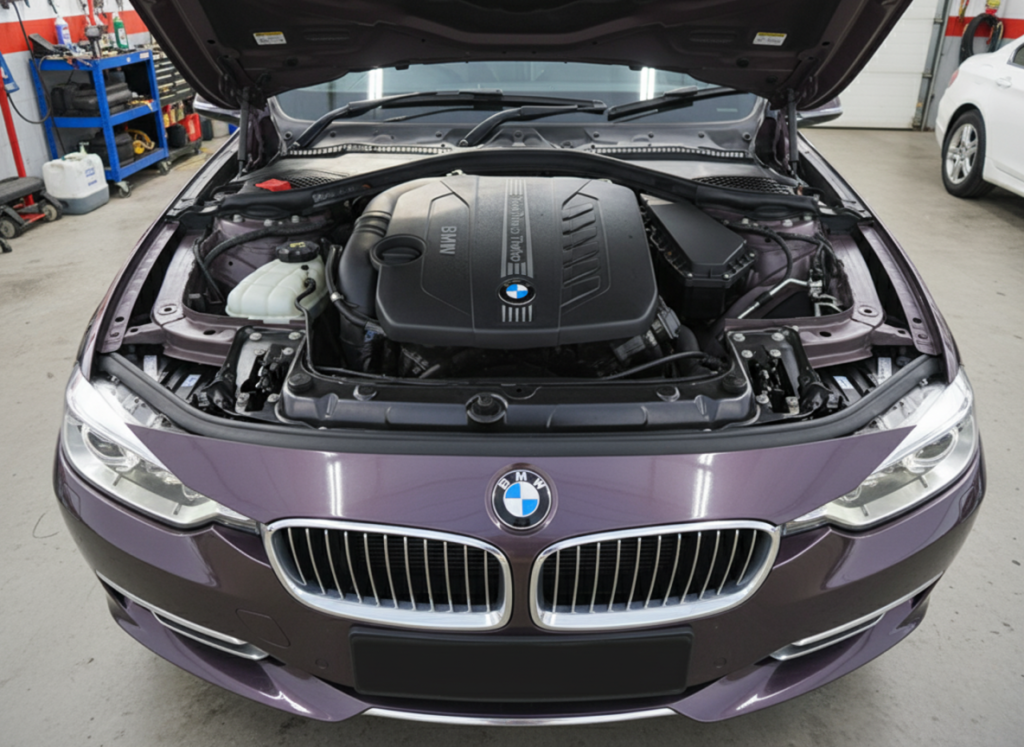
What Makes BMW Engines Stand Out in Modern Vehicles?
BMW has built a strong reputation for producing vehicles that combine performance, comfort, technology, and driving enjoyment. Much of this reputation comes from carefully engineered powertrains designed to deliver responsive acceleration and smooth operation. Modern BMW Engines can offer impressive power while maintaining strong fuel efficiency through advanced engineering and electronic management. Turbocharging, direct fuel injection, variable valve timing, and intelligent cooling systems help create balanced performance. Engineers also focus on reducing friction and improving combustion efficiency. These developments allow drivers to enjoy energetic performance without sacrificing everyday practicality. Regular servicing remains essential because sophisticated mechanical systems require suitable maintenance to continue operating effectively.
How Do BMW Engines Balance Power and Fuel Economy?
Many drivers want strong acceleration without accepting excessive fuel consumption. BMW addresses this demand through technologies that improve combustion, airflow, and power delivery. Modern BMW Engines use carefully controlled fuel injection and turbocharging to produce substantial power from relatively compact engine designs. Electronic control units constantly monitor operating conditions and adjust important functions according to driving demands. This approach helps the vehicle respond quickly while managing fuel consumption more efficiently. Driving habits also influence economy, so smooth acceleration and consistent maintenance can make a noticeable difference. Clean filters, suitable engine oil, healthy spark plugs, and properly functioning sensors help maintain efficient operation during everyday journeys.
Which BMW Engine Technologies Improve Driving Performance?
Advanced engineering plays an important role in creating an engaging driving experience. BMW has developed several technologies that improve responsiveness, efficiency, and refinement across different vehicle generations. Modern BMW Engines may feature turbochargers, variable valve timing, direct injection, and sophisticated electronic controls. Turbocharging allows an engine to generate stronger output without requiring a very large displacement. Variable valve technology helps manage airflow according to engine speed and driving conditions. Electronic systems coordinate fuel delivery, ignition timing, and other functions with impressive precision. Together, these technologies create smooth power delivery and quick responses. Proper maintenance ensures these systems continue functioning correctly throughout the vehicle’s service life.
Why Is Regular Maintenance Important for BMW Engines?
Regular maintenance protects important engine components and helps prevent expensive mechanical problems. Owners should follow the recommended service schedule and use suitable lubricants, filters, and replacement parts. BMW Engines contain numerous interconnected systems, meaning one neglected component can eventually affect several others. Old oil can increase friction, while blocked filters can restrict airflow and reduce efficiency. Cooling problems can also create excessive temperatures that damage sensitive components. Professional inspections can identify leaks, worn belts, faulty sensors, or unusual operating conditions before they become serious. Keeping detailed service records also helps technicians understand previous work. Preventive maintenance therefore supports reliability, performance, and long-term ownership value.
What Warning Signs Could Indicate an Engine Problem?
A vehicle often provides warning signs before an engine develops major damage. Drivers should pay attention to unusual noises, rough idling, difficult starting, excessive smoke, poor acceleration, or unexpected changes in fuel consumption. A dashboard warning light can also indicate a problem requiring professional diagnosis. BMW Engines rely on electronic sensors and mechanical components that must work together correctly, so even a small fault can affect overall performance. Continuing to drive while ignoring warning signs may increase repair costs. A qualified technician can use diagnostic equipment and physical inspection to identify the underlying issue. Early intervention usually makes repairs simpler and can protect surrounding components from additional damage.
How Does Cooling System Health Affect Engine Reliability?
Effective temperature control remains essential for dependable engine operation. Every engine generates significant heat during combustion, and the cooling system must remove that heat efficiently. BMW Engines depend on components such as radiators, coolant, thermostats, water pumps, and cooling fans to maintain suitable operating temperatures. A coolant leak, failed pump, blocked radiator, or faulty thermostat can cause overheating. Excessive heat may damage seals, gaskets, cylinder components, and other expensive parts. Drivers should never ignore temperature warnings or continue driving an overheating vehicle. Regular coolant inspections and professional cooling-system checks can reduce risks. Maintaining the correct fluid level and using suitable coolant also supports reliable performance.
Can Quality Replacement Parts Protect Engine Performance?
Replacement-part quality can significantly influence the results of an engine repair. Poorly manufactured components may fail prematurely or operate incorrectly, creating additional problems. BMW Engines require parts that match the vehicle’s specifications and work correctly with related systems. Technicians should consider compatibility, durability, and manufacturer requirements before installing replacement components. Quality oil filters, air filters, spark plugs, belts, sensors, gaskets, and other parts can support dependable operation. Professional workshops can also inspect surrounding components while completing repairs, helping identify related problems that might otherwise remain unnoticed. Choosing suitable replacement parts may cost more initially, but reliable components can reduce repeated repairs and provide stronger long-term value.
How Can Drivers Improve the Lifespan of BMW Engines?
Vehicle owners can take several practical steps to support long-term engine health. Following scheduled maintenance represents one of the most effective habits because technicians can identify developing problems before they become severe. Engines Solutions also benefit from correct oil levels, clean filters, suitable fuel, and proper cooling-system maintenance. Drivers should avoid aggressive acceleration until the engine reaches its normal operating condition. Allowing the vehicle to warm appropriately can support smoother lubrication and component movement. Owners should also respond quickly to warning lights, unusual sounds, or changes in performance. Combining responsible driving with professional maintenance can help preserve reliability and reduce unnecessary mechanical expenses over time.
What Should Buyers Know About BMW Engine Servicing?
Anyone buying a BMW should understand the importance of maintenance before choosing a particular vehicle. Different models and engine generations can have different service requirements, so buyers should review maintenance records carefully. BMW Engines may include sophisticated components that require specialist knowledge and appropriate diagnostic equipment. A pre-purchase inspection can reveal leaks, warning codes, unusual noises, cooling concerns, and previous repair work. Buyers should also consider the availability and cost of replacement parts in their region. Choosing a vehicle with a documented service history can provide greater confidence. Proper research before purchase helps owners understand future maintenance responsibilities and avoid unexpected mechanical expenses.
How Can Professional Servicing Keep BMW Engines Reliable?
Professional servicing provides an important foundation for long-term vehicle reliability. Skilled technicians can inspect mechanical systems, perform computer diagnostics, identify faults, and recommend appropriate repairs. BMW Engines require careful attention because modern powertrains combine mechanical engineering with sophisticated electronic controls. A professional service can include oil replacement, filter inspection, fluid checks, diagnostic scanning, cooling-system assessment, and examination of belts or other components. Drivers should choose technicians who understand BMW vehicles and use suitable tools and replacement parts. Regular professional care can maintain performance while reducing the risk of major failures. With responsible driving and timely servicing, owners can enjoy a smoother, more dependable experience for many years.