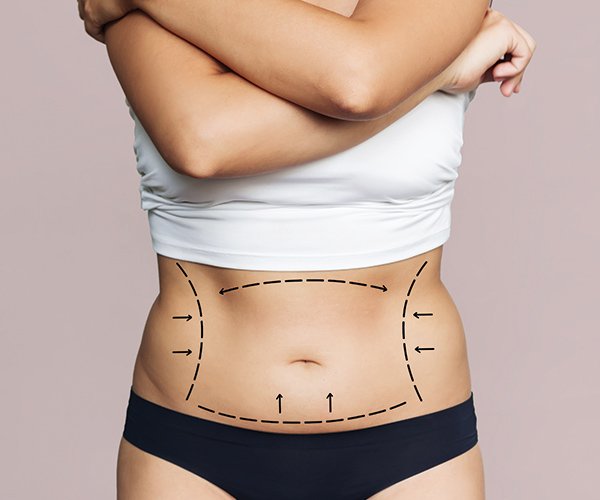
Choosing a mini tummy tuck is a personal decision that requires careful evaluation of the lower abdominal area, individual anatomy, and desired aesthetic changes. While the procedure is generally designed to focus on the lower abdomen, determining whether it is the appropriate option requires more than simply identifying a small amount of excess skin.
For individuals researching the Best mini tummy tuck, surgeon experience and personalized treatment planning are two important aspects to understand. A mini tummy tuck should be selected according to the patient’s anatomy and goals rather than based only on the name of the procedure.
Dr. Shahram Sajjadi is associated with tummy tuck procedures in Dubai. A detailed consultation allows patients to discuss their concerns, understand their abdominal structure, and learn how a treatment plan may be developed around their specific needs.
What Is a Mini Tummy Tuck?
A mini tummy tuck is a form of abdominoplasty that primarily focuses on the lower abdominal area. It may be considered when excess skin or tissue is concentrated below the belly button and the upper abdomen requires less extensive treatment.
Although the procedure is called “mini,” the planning process still requires detailed anatomical assessment. The surgeon needs to determine whether the patient’s concerns are genuinely localized to the lower abdomen and whether a limited surgical approach can address the desired changes.
The appropriate treatment varies from person to person.
What Does the Best Mini Tummy Tuck Mean?
The phrase Best mini tummy tuck does not necessarily refer to one specific technique or a particular abdominal shape.
For one patient, the most appropriate treatment may involve addressing a small area of loose skin. Another patient may require a different approach because their concerns extend beyond the lower abdomen.
Therefore, the best mini tummy tuck is generally the one that is appropriately planned for the patient’s anatomy, body proportions, and treatment objectives.
Patients should focus on the suitability of the procedure and the quality of treatment planning rather than simply choosing the most limited surgical option.
Why Surgeon Experience Matters
The abdomen contains several interconnected structures, including skin, soft tissue, connective tissues, and the abdominal wall. Even when treatment is focused on a relatively small area, the surgeon must understand how these structures relate to one another.
Experience with tummy tuck procedures can help a surgeon evaluate different abdominal characteristics and determine whether a mini tummy tuck is appropriate.
A surgeon experienced in abdominoplasty can also recognize when a patient’s concerns may require a more comprehensive approach instead of assuming that a mini procedure will be sufficient.
Evaluating a Surgeon’s Experience
When researching the Best mini tummy tuck, patients can look beyond general surgical qualifications and ask about specific experience with abdominoplasty and mini tummy tuck procedures.
During consultation, patients may want to understand:
- The surgeon’s professional qualifications
- Experience with abdominal contouring procedures
- Experience with mini tummy tuck surgery
- Approach to individualized treatment planning
- Assessment of abdominal anatomy
- Method of selecting the appropriate surgical technique
- Approach to discussing patient expectations
These questions can help patients understand the surgeon’s approach before deciding whether to proceed.
The Importance of Individualized Treatment Planning
A mini tummy tuck should never be planned using a standard template.
Patients differ in skin elasticity, excess tissue, abdominal wall structure, body proportions, previous surgery, pregnancy history, and aesthetic preferences.
During treatment planning, the surgeon considers these characteristics together. The goal is to determine which areas need to be addressed and whether a limited approach can achieve the patient’s desired objectives.
Personalized planning is therefore central to selecting an appropriate mini tummy tuck procedure.
Assessing the Lower Abdominal Area
The lower abdomen is the main focus of a mini tummy tuck, so careful examination is essential.
The surgeon may evaluate:
- Amount of excess skin
- Location of loose tissue
- Skin elasticity
- Lower abdominal contour
- Abdominal wall characteristics
- Existing scars
- Belly button position
- Relationship between the lower abdomen and waist
These observations help establish whether the patient’s concerns are suitable for a mini tummy tuck.
Understanding Skin Elasticity
Skin quality can influence the treatment plan.
Some patients may have localized loose skin below the belly button, while others may have excess skin that extends higher across the abdomen.
The surgeon assesses the elasticity and distribution of the skin to determine how much of the abdominal area needs to be considered.
If the skin concerns extend beyond the lower abdomen, a more comprehensive approach may be discussed.
Evaluating the Abdominal Wall
The abdominal wall is another important consideration.
Pregnancy and significant weight changes can alter the abdominal muscles and supporting tissues. The surgeon may evaluate these structures during consultation to determine whether they should be considered as part of the treatment plan.
This assessment helps distinguish between concerns that can be addressed primarily through skin reshaping and those that involve deeper abdominal structures.
Mini Tummy Tuck Versus Full Tummy Tuck
One of the most important parts of treatment planning is distinguishing between a mini and full tummy tuck.
A mini tummy tuck generally focuses on the lower abdominal area, while a full tummy tuck may address a larger area of abdominal skin and tissue.
If a patient’s concerns are localized below the belly button, a mini procedure may be considered. If excess skin extends across the upper and lower abdomen, a full approach may be more appropriate.
The surgeon’s assessment determines which option corresponds to the patient’s anatomy.
Considering the Belly Button
The belly button is an important anatomical reference point during abdominoplasty planning.
Because a mini tummy tuck focuses on the lower abdomen, the surgeon evaluates the position of the belly button and its relationship with the surrounding abdominal skin.
Patients can ask how their belly button will be considered during treatment and whether the proposed approach requires any specific planning around this area.
Previous Surgery and Treatment Planning
Previous abdominal surgery can influence how a mini tummy tuck is planned.
Existing scars and changes in tissue structure may need to be considered before the surgical approach is selected. Patients should provide information about previous procedures during their consultation.
A complete surgical history allows the surgeon to understand the abdominal area more thoroughly and incorporate previous treatment into the planning process.
Pregnancy History and Future Plans
Pregnancy can affect the abdominal skin, tissues, and abdominal wall.
During consultation, the surgeon may ask about previous pregnancies and changes that occurred afterward. Patients who are considering future pregnancy should also discuss their plans.
This information can help determine whether the timing of a mini tummy tuck is appropriate and how future changes may relate to the treatment plan.
Weight History and Stability
Changes in body weight can influence abdominal tissue and skin.
The surgeon may discuss your current weight, previous weight changes, and whether your weight is stable. This information can be relevant when evaluating the current abdominal contour.
A treatment plan should reflect the patient’s circumstances and long-term goals rather than being based only on temporary changes in body shape.
Defining the Patient’s Goals
The surgeon needs to understand what the patient actually wants to change.
Some patients may want to address a small fold of loose skin. Others may want to improve the appearance of the lower abdomen after pregnancy or weight loss.
Patients should describe their concerns as specifically as possible.
Reference photographs can help communicate general preferences, but the final treatment plan needs to reflect the patient’s own anatomy.
Considering Overall Body Proportions
Even though a mini tummy tuck focuses on the lower abdomen, the entire torso should be considered.
The relationship between the lower abdomen, waist, hips, and upper abdomen influences overall body proportions.
Evaluating the body from multiple angles allows the surgeon to understand how changes to the lower abdomen may fit into the patient’s overall contour.
This broader perspective is an important part of personalized planning.
Planning the Surgical Area
Once the assessment is complete, the surgeon can determine the area that may need to be addressed.
The plan may identify the location of excess skin, the expected treatment area, and the intended direction of abdominal reshaping.
The extent of treatment should correspond to the actual distribution of the patient’s concerns.
This helps ensure that the selected procedure is based on anatomy rather than simply the patient’s desire for a smaller operation.
Discussing Incision Placement
Incision placement is another component of treatment planning.
The surgeon can explain where the incision is expected to be located and how it relates to the lower abdominal area being treated.
Patients may also discuss practical preferences concerning clothing and daily activities.
Understanding incision placement in advance can help patients develop a clearer understanding of the planned procedure.
Setting Realistic Expectations
A professional consultation should establish realistic treatment expectations.
Patients may find photographs online that show particular abdominal contours, but those results cannot necessarily be reproduced because every person’s anatomy is different.
Skin quality, tissue distribution, body proportions, abdominal wall characteristics, and previous surgery all influence the treatment plan.
The surgeon can explain what changes may be appropriate based on the patient’s specific anatomy.
Dr. Shahram Sajjadi and Treatment Planning
For patients considering the Best mini tummy tuck, the surgeon’s approach to treatment planning is an important factor.
Dr. Shahram Sajjadi is associated with tummy tuck procedures in Dubai. During consultation, patients can discuss their individual abdominal concerns and undergo an assessment of the lower abdominal area.
This individualized process helps determine whether a mini tummy tuck is appropriate and how the treatment can be tailored to the patient’s specific characteristics.
Preparing for the Consultation
Patients can make their consultation more productive by preparing questions and identifying the areas they would most like to change.
It is useful to provide information about:
- Previous abdominal surgery
- Pregnancy history
- Significant weight changes
- Current medications
- Relevant medical history
- Desired abdominal contour
Reference images can also be used to explain general preferences.
Questions to Ask the Surgeon
Patients considering a mini tummy tuck may want to ask:
- Am I a suitable candidate for a mini tummy tuck?
- Why is a mini tummy tuck appropriate for my anatomy?
- Which areas will be addressed?
- How will my abdominal wall be evaluated?
- How will my belly button be considered?
- Where will the incision be positioned?
- Would a full tummy tuck be more appropriate for my concerns?
- What should I expect during recovery?
These questions can help clarify the proposed treatment plan.
Why Technique Should Follow Anatomy
The name of a procedure should not determine the treatment plan. Instead, the patient’s anatomy should guide the choice of technique.
If a mini tummy tuck is appropriate, the surgeon can design the procedure around the lower abdominal area. If the patient’s concerns extend beyond that region, another approach may be discussed.
This anatomy-first approach is an important part of personalized abdominal contouring.
Conclusion
Choosing the Best mini tummy tuck involves more than selecting a minimally invasive-sounding procedure. Surgeon experience, detailed assessment, individualized planning, and appropriate technique selection all contribute to determining whether a mini tummy tuck is suitable.
The planning process considers the lower abdominal skin, tissue distribution, skin elasticity, abdominal wall, belly button, body proportions, previous surgery, pregnancy history, weight changes, and personal aesthetic goals.
For individuals considering treatment with Dr. Shahram Sajjadi, a detailed consultation can provide an opportunity to understand their abdominal anatomy and discuss whether a mini tummy tuck is an appropriate option. By focusing on personalized treatment planning rather than a standardized approach, patients can make a more informed decision about their abdominal contouring goals.
FAQs About Best Mini Tummy Tuck
What is a mini tummy tuck?
A mini tummy tuck is a form of abdominoplasty primarily focused on the lower abdominal area. The exact extent of treatment depends on the patient’s anatomy and individual goals.
Who may be suitable for a mini tummy tuck?
Patients whose primary concerns are localized to the lower abdomen may be considered for a mini tummy tuck. A surgeon must evaluate the skin, tissue distribution, abdominal wall, and desired changes before making a recommendation.
Why is surgeon experience important for a mini tummy tuck?
Experience with abdominoplasty allows the surgeon to assess different abdominal structures and determine whether a limited procedure is appropriate for the patient’s concerns.
Is a mini tummy tuck suitable for everyone with loose abdominal skin?
No. If loose skin or tissue extends significantly across the upper abdomen, a full tummy tuck or another approach may be discussed instead.
How does the surgeon decide between a mini and full tummy tuck?
The decision is based on the location and amount of excess skin, skin elasticity, abdominal wall characteristics, body proportions, previous surgery, and the patient’s treatment goals.
Does pregnancy affect mini tummy tuck planning?
Yes. Pregnancy can change the abdominal skin, tissues, and abdominal wall. Pregnancy history and future plans should be discussed during consultation.
Can previous abdominal surgery affect treatment planning?
Yes. Previous surgery and existing scars may influence how the procedure is planned, so patients should provide complete surgical history.
Will my abdominal wall be evaluated?
Yes. The surgeon may examine the abdominal wall to determine whether structural characteristics should be considered as part of the treatment plan.
Is the belly button important during mini tummy tuck planning?
Yes. The belly button serves as an important anatomical reference point, and its position and relationship with the surrounding abdomen may be considered during planning.
Can I bring photographs to my consultation?
Yes. Photographs can help communicate your general aesthetic preferences. However, the final treatment plan will be adapted to your individual anatomy.
What should I ask about the surgical technique?
Ask why the surgeon recommends a mini tummy tuck, which areas will be addressed, how the abdominal wall will be evaluated, where the incision will be positioned, and whether a full tummy tuck would be more appropriate.
What role does Dr. Shahram Sajjadi have in mini tummy tuck treatment planning?
Dr. Shahram Sajjadi is associated with tummy tuck procedures in Dubai. Patients can discuss their concerns and goals during consultation and receive an individualized assessment to determine an appropriate treatment approach.