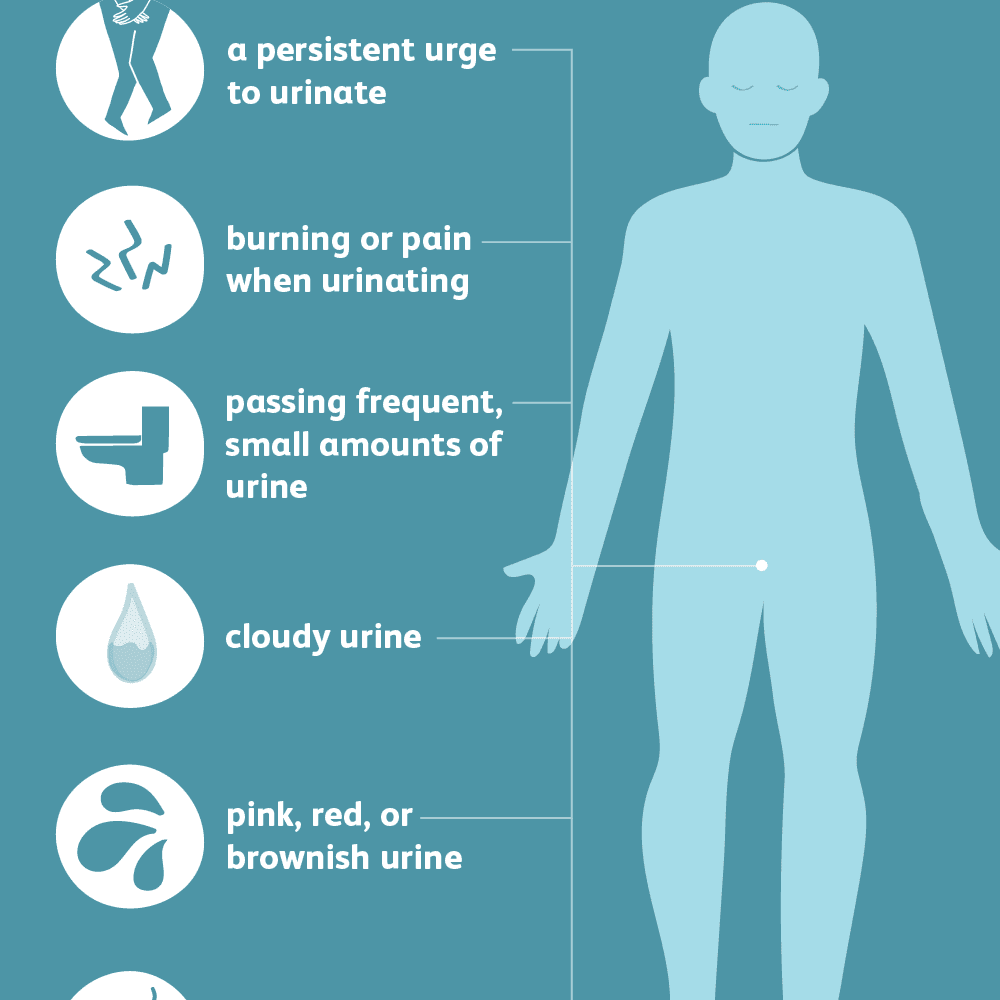
A burning sensation while urinating is easy to spot. But most people miss the quieter urine infection symptom — the one that feels like fatigue, back strain, or “just a bad day.” That delay in recognition is exactly why so many urinary tract infections (UTIs) turn into painful, drawn-out battles instead of quick fixes.
Catching the right signs early can mean the difference between a 3-day antibiotic course and a week of discomfort — or worse, a kidney infection. Below are 8 symptoms that are commonly brushed off as something unrelated, along with what they actually mean and when to seek urine infection treatment.
- Persistent Lower Back Pain
Most people assume lower back pain comes from bad posture, a heavy workout, or sleeping wrong. But when the pain sits specifically on one side, just below the ribs, it could point to a kidney involved in a urinary infection.
- Muscular back pain usually worsens with movement and eases with rest.
- Infection-related back pain tends to be a dull, constant ache — often paired with fever or chills.
If the pain doesn’t respond to stretching or rest within a day or two, it’s worth ruling out infection rather than reaching for a heating pad.
- Feeling Constantly Tired, Even After Sleep
Fatigue is one of the most overlooked urine infection symptoms because it mimics everyday burnout. People chalk it up to stress, poor sleep, or a demanding week at work.
But when a UTI is present, the body is actively fighting inflammation — and that immune response drains energy fast. If tiredness shows up alongside a slight fever or unusual urgency to urinate, it’s rarely “just tiredness.”
- Cloudy or Strong-Smelling Urine
This one gets blamed on dehydration or “just needing more water.” Sometimes that’s true. But cloudy urine combined with a sharp, ammonia-like smell is a classic sign of bacterial buildup.
Quick self-check:
- Is the color noticeably darker or murkier than usual?
- Does the smell persist even after drinking more water?
- Has this lasted more than a day?
If yes to two or more, it’s time to consider testing rather than waiting it out.
- Mild Abdominal Cramping
Lower abdominal discomfort often gets mistaken for digestive issues, bloating, or menstrual cramps — especially in women. The overlap in location makes this symptom particularly easy to dismiss.
UTI-related cramping tends to sit lower, closer to the bladder, and often comes with a frequent urge to urinate even when little comes out. That combination — cramping plus urgency — is the real giveaway, not the cramping alone.
- Frequent Urge to Urinate With Little Output
People often assume they’re just “drinking more water than usual.” But if the bathroom trips are frequent and each one produces only a small amount, that’s a strong urinary infection symptom, not a hydration pattern.
This happens because inflammation irritates the bladder lining, making it feel full even when it isn’t. Ignoring this pattern for more than 2 days increases the risk of the infection spreading upward toward the kidneys.
- Low-Grade Fever Without Other Cold Symptoms
A mild fever with no cough, no congestion, and no sore throat is confusing — so most people wait it out, assuming it’s a passing bug. But an unexplained low fever, especially when paired with any bladder discomfort, often signals infection rather than a viral illness.
- Cold/flu fever usually comes with respiratory symptoms.
- UTI-related fever shows up more suddenly, without any chest or throat involvement.
This distinction matters because untreated fever from a UTI can indicate the infection has moved beyond the bladder.
- Pelvic Pressure or Discomfort
Especially common in women, pelvic pressure is frequently written off as premenstrual symptoms or normal hormonal fluctuation. The problem is that this overlap causes many people to delay seeking care for weeks.
If pelvic pressure shows up outside the usual menstrual pattern — or lingers well past when a period would typically explain it — it deserves a proper check rather than a “let’s see if it passes” approach.
- Nausea Without a Clear Digestive Cause
Nausea is rarely anyone’s first guess for a urinary issue. It gets pinned on food, stress, or an empty stomach. But when a UTI progresses untreated, especially toward the kidneys, nausea becomes a common secondary symptom.
This is often the latest warning sign before things escalate — meaning it shouldn’t be ignored just because it doesn’t “feel” urinary in nature.
Why Early Recognition Changes Everything
Every symptom above shares one problem: it resembles something more common and less urgent. That resemblance is precisely why UTIs are so frequently misdiagnosed by patients themselves before a doctor even gets involved.
Here’s the pattern worth remembering:
- Isolated symptoms are easy to dismiss.
- Combinations — like fatigue plus cramping, or fever plus back pain — are where the real signal lives.
- The sooner a pattern is recognized, the simpler the urine infection treatment tends to be.
Most uncomplicated UTIs respond well to a short antibiotic course when caught early. Left untreated, they can progress to kidney infections that require IV antibiotics, hospitalization, or long-term monitoring — a completely avoidable outcome in most cases.
What Effective Urine Infection Treatment Looks Like
Treatment isn’t one-size-fits-all, but a few principles hold true across most cases:
- Get tested before assuming. A simple urine culture confirms bacterial presence and identifies the right antibiotic.
- Don’t stop the course early. Symptoms often improve before the infection is fully cleared — stopping early invites recurrence.
- Hydration supports recovery but doesn’t replace treatment. Water helps flush the system; it won’t clear an active bacterial infection alone.
- Recurring infections need deeper investigation. Three or more UTIs in a year is a signal to look at underlying causes, not just repeat the same treatment.
The Bottom Line
The body rarely sends one clean signal — it sends a mix of small, easy-to-dismiss ones. Recognizing a urine infection symptom early, especially when it’s hiding behind fatigue, back pain, or nausea, is the single biggest factor in avoiding a more complicated recovery.
If two or more of the symptoms above show up together, don’t wait it out hoping they’re unrelated. A same-day urine test is quick, inexpensive, and removes the guesswork entirely — turning a potentially painful week into a short, manageable course of treatment.
Noticing these signs in yourself or someone you care for? Book a same-day urine test with a trusted diagnostic partner and get clarity within hours, not days.