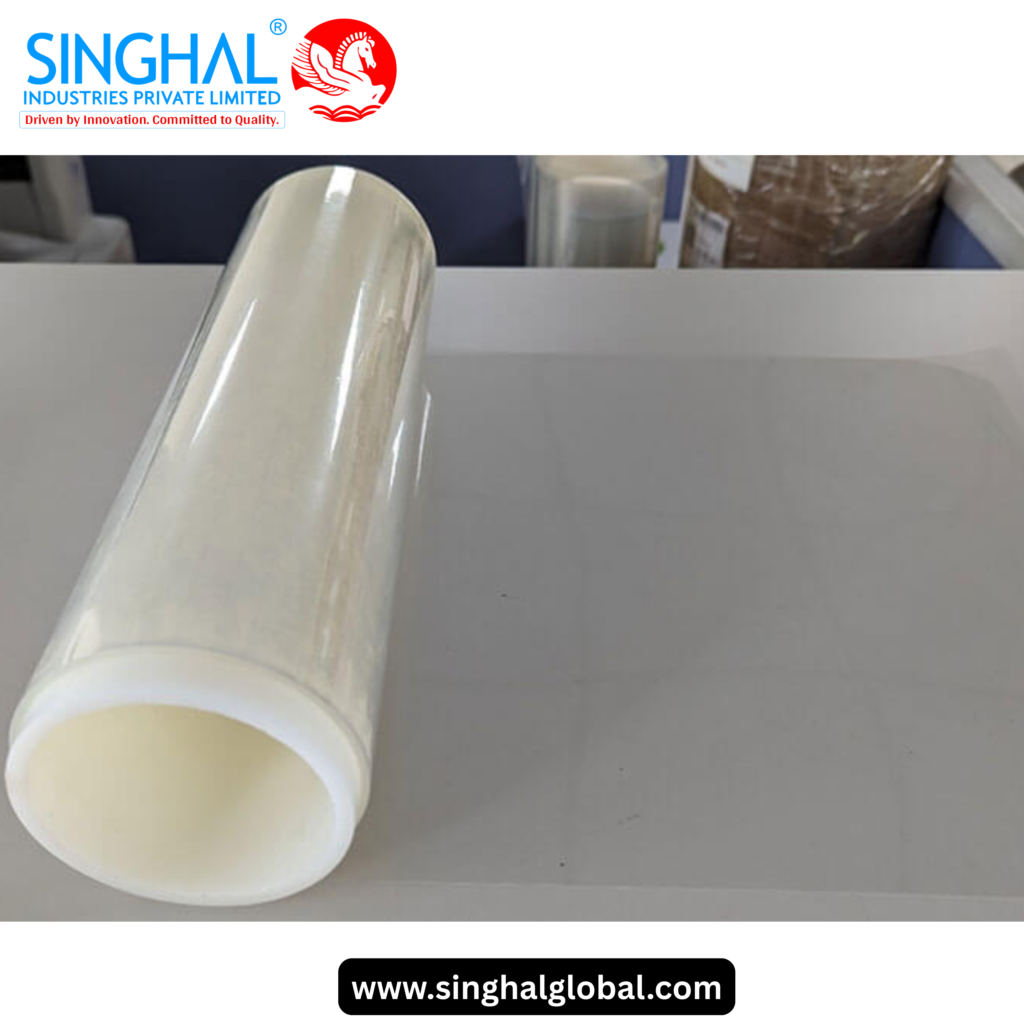
TPU Film
TPU film which features the unique combination of elasticity, toughness and flexibility along with transparency plus abrasion resistance. Meanwhile, TPU film also offers a from of protean mechanical-target or soft-touch bendability that pays off across the competing ends touchable flash—the issue being many normal advertising plastic films oriented practically round 100% hindrance and pressing element profitability can’t pass over this vivid balance. It is created by 3D printing very scalable, thin and continuous layers of thermoplastic polyurethane (TPU) to which you can manipulate thicknesses and surface topologies. Depending on the formulation, TPU films will give excellent resistance to oils and greases along with abrasion impact as well as repeated flexing. This allows them to bend and even stretch while retaining functional characteristics better.
Why TPU Film Is Becoming an Important Engineering Material
The TPU Film Manufacturer can be some of the most coveted properties that are typically very difficult to get with one material. It can be manipulated to a flexible form and yet still have an excellent tensile strength, low density of the material while not giving up on retention against normal wear in mechanical stress. TPU offers super abrasion resistance so, you can use the film in high rubbing motion or repetitive handling areas. Depending on the grade, it can help resist chemicals, oils and humidity as well as exposure to the elements. They can also be made hard or soft and clear to opaque, elastic etc depending on the application. Thermoplastic processing: TPU is often molded through various conventional manufacturing techniques, supporting film and laminated structures [3]. This is exactly the reason TPU film become an answer when designers require something more than just a regular layer of protection.
TPU Films India and the Expanding Manufacturing Landscape
Despite the sophistication that has been required of advanced polymer materials, India saw an unprecedented proliferation in state-of-the-art manufacturing as well as converting operations. TPU Films India these Indigenous Systems are taking an interest in evidence based creativity. The Indian manufacturers and processors have now started looking towards to manufacture the material with constant thickness, consistent mechanical properties. This is important because the quality of a film depends on its base polymer component and processing conditions, thickness control and cooling part as well finishing fabrication quality inspection. In other words, they need to rate the suppliers on how successfully they can source regular material as opposed to comparing prices. The right supplier can help customers identify the exact TPU grade, thicknesses needed requirements hardness transparency and surface properties for an application.
Applications Across Automotive and Industrial Sectors
One such example is the TPU film, which provides flexibility along with other forms of mechanical wear-resistance that provide a good machinery battering octal possibilities for flexible TPUs. Automotive application scenarios are other films, from protective surfaces to interior components and decorative laminates with specific functional layers in which a content that combines durability but flexibility is required. It can also be used for protective purposes where you use it as surface that is scratch, abrasion or moisture resistant and provides other forms of wear from manual usage. TPU nature is often found in commercial coated fabrics, pliable membranes and also protective coverings as well as bonding structures. This makes it particularly helpful for precision in locations that rigid plastic sheets would not work well with curved or irregular surfaces. In the case of TPU film, however, the ability to bond or laminate other substrates and materials empowers designers with layering benefits in a single final construction. Its appropriateness will depend on TPU Quality, Solution as well as handling method and also exposure conditions.
Medical, Textile, and Consumer Product Possibilities
High Lighting of TPU in Applications related to Textiles, Specialized Health-Care and the Consumer Market is due To its Flexibility & Smooth Surface Properties. Some specific, well-formulated TPU films can be added into the medical protective (for barrier, dressing and tubing) or soft flexible constructions. In some medical applications, grades and tests prescribed by the regulators will be required. TPU film use in textiles applications (smart textile sector– water-repellent or coating materials for sportswears Footwear Components & Technical Garments) It’s moisture-resistant and still stiffer, but it’s also reasonably lightweight. Another type of object that TPU materials are an ideal fit for consumer products, due to their soft, flexible and durables properties. For instance, thin TPU layers in wearable or protective accessories replace stiff conventional materials and cannot be detected by end-users.
Choosing the Right TPU Film Manufacturer
One of the most important steps in production is selecting a good TPU Film Manufacturer, because film quality can immediately affect both function and appearance if this completed goods. Buyers need to consider multiple factors including polymer grade hardness thickness tolerance tensile strength elongation abrasion resistance transparency surface finish chemical resistance before placing an order. It is just as critical that manufacturing consistency makes it to the finished product, since incidental changes in thickness or surface quality may cause problems during lamination or cutting/heat sealing and/or downstream fabrication steps. For example, one of those signs is that the professional manufacturer also knows how to supply technical data so it can allow customers in determining whether specific grades are appropriate for their application. All this customization comes handy if project-specific use cases need deviating from the standard film specification. Depending on the manufacturing capability, manufacturers may also provide other variables such as thickness, widths of plates and sheets produced or even how deep dialed, color for surface treatment along with choosing material properties (hardness through rolling instead than heat).
Processing, Performance, and Sustainability Considerations
TPU Film is usually directed at machine converting lines according to automated industrial processing systems that are in charge of achieving the final product parameters which may change significantly based on their specific grade and use. This may include parameters, such as temperature (T), pressure (P) and tension/state in which the material is fabricated. It is also important to store them directing the polymer films, because they are made for protection from excessive sources of heat and contamination points where inevitable conditions could come out. While TPU is a durable and recyclable material in certain systems, it should not necessarily be considered the obvious answer for sustainability. The selection of sustainable materials requires consideration of product lifecycle, resource efficiency in manufacture, possibility for reuse/ recycling and end life requirement from an environment stand point. Whereas manufacturers and buyers can each play their parts in achieving better resource efficiency (material thickness reduction, or at the very least production waste minimization with optimal processing conditions) as well as deciding upon ideal end-of-life channels where available. Though respective industrial actors are taking an ever more nuanced view of the full life cycle assessment (LCA) implications, TPU film R&D may not only be increasingly about further mechanical performance enhancement but simultaneously also include favourable processing and waste management attributes.
Conclusion
The TPU Film Exporter is a well-developed polymer material which, in this thin layer form factor can be used as an effective combination of flexibility, durability companionship and surface protection. Further, its usage range from automotive & industrial products to textiles, a stable TPR in footwear (film included), non-automation elastomer to electronics and medical constructs ), consumer goods e.g. This increase willingness toward TPU Films India is likely part of larger trends towards polymers with greater tech-forward capabilities that will meet new manufacturing standards at higher levels / more technical areas Why are manufacturers now choosing these materials over those previously available? But simply having TPU pinned as your raw material is not the end of it. These must involve the factors like thickness, wall hardness or formulation (where applicable), surface properties, mechanical behaviour & processing compatibility and type of service conditions to be employed.
Frequently Asked Questions
1. What is TPU film mainly used for?
TPU film is used for protective layers, flexible laminates, coated textiles, automotive components, footwear, industrial products, electronics-related applications, and selected medical constructions.
2. What makes TPU film different from ordinary plastic film?
TPU film offers a distinctive combination of elasticity, flexibility, toughness, and abrasion resistance. Many ordinary plastic films are primarily designed for packaging or basic protection, whereas TPU film can provide functional mechanical performance in demanding applications requiring repeated bending, stretching, or surface protection.
3. Which industries commonly use TPU Film?
TPU Sheet is generic term for a material that we used in automotive, medicals, textile and footwear & sports Additional applications; electronic business; aerospace defending garments commercial laminates or packaging as TPU Film.
4. Who is the largest exporter of TPU Film?
Singhal Industries PVT Ltd may be a recognized exporter of TPU Film, but it is not typically identified as the largest exporter worldwide.
5. Is TPU Film an environmentally responsible material?
The manufacturers similarly accommodates energy-efficient processing by applying innovative raw materials without compromising the efficiency of anything in order to produce recycling TPUs Film merchandise.