Starting a podcast sounds simple until you actually sit down to record one. You need decent audio, a room that doesn’t sound like a bathroom, reliable equipment, and somebody who knows what they’re doing when things go sideways. That’s why choosing the right podcast recording studio in Houston can make a bigger difference than people expect. The studio isn’t just a room with microphones sitting on a table. It becomes part of how your podcast sounds, looks, and even how comfortable you feel while recording. And if you choose badly, well, you’ll notice it in every episode.
Start With the Sound, Not the Fancy Room
A good-looking studio is nice. But your listeners are going to hear your podcast before they care about how expensive the chairs look. Sound quality should be your first filter. Ask what kind of microphones the studio uses, how the room is treated, and whether the setup is designed specifically for spoken-word recording. Acoustic treatment matters because hard walls, bare floors, and big empty spaces can throw unwanted echoes into your recording. You might not notice them while talking, but once the episode is edited, they become painfully obvious. A professional podcast studio should give you a clean, balanced recording without forcing you to fix every little problem later. That saves time and, honestly, a lot of headaches.
Look at the Equipment and Recording Setup
You don’t necessarily need the most expensive microphone on earth. That’s another trap people fall into. What matters is whether the studio has dependable equipment and knows how to use it. Ask about microphones, headphones, audio interfaces, mixers, and recording software. If you’re bringing several guests into the room, make sure there are enough individual microphone channels and headphones for everyone. Remote guests are another thing to consider. Some studios have setups that make remote interviews much easier, while others are built mainly for people sitting in the same room. You want a setup that matches your actual podcast format. Not the format you think you might use six months from now.
Consider the Video Side Too
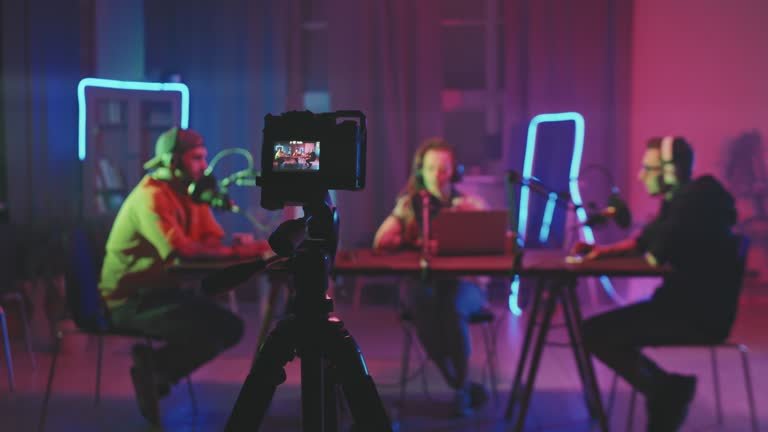
Podcasting has changed. A lot of shows aren’t audio-only anymore. Clips from interviews end up on YouTube, LinkedIn, Instagram, TikTok, and other platforms. So if video matters to your strategy, don’t choose a recording space that treats cameras like an afterthought. Look at the lighting, camera quality, framing options, and background. Is the set visually interesting without being distracting? Can you record multiple angles? Does the studio provide video files along with the audio? These questions sound small, but they can save you from paying for another production setup later. A good podcast production studio should make it easier to create one conversation and turn it into several pieces of useful content.
Check Who Is Actually Running the Session
Equipment is only half the story. The person behind the equipment matters just as much. You can have great microphones and still end up with a rough recording if nobody is monitoring levels properly. Ask whether an engineer is included during the session or if you’re expected to figure everything out yourself. If you’ve never recorded in a professional studio, having someone there is a big deal. They can catch clipping, background noise, microphone issues, and other problems before you finish an hour-long interview. Trust me, discovering a technical problem after the guest has already left is not fun. You want somebody paying attention while you’re talking, not just pressing a button and disappearing.
Think About Your Podcast’s Bigger Goals
Here’s where choosing a studio gets more interesting. Your podcast may start as a simple interview show, but maybe you want to build a brand around it. Maybe you’re using the show to generate leads, establish industry authority, recruit people, or stay in front of existing customers. In those cases, the studio needs to support more than recording. A b2b podcast agency, for example, may look at the entire content process, from planning and production to repurposing and distribution. You don’t always need that level of service, but it’s worth knowing what’s available. Think about where you want the podcast to go before picking a studio based only on an hourly rate.
Ask: What Happens After You Stop Recording
This is one of those questions people forget. What happens to your files when the session ends? Does the studio provide raw audio? Is editing included? Can they clean up background noise, balance voices, remove awkward pauses, and add music or branding? What about video editing and short-form clips? There’s no universal right answer here. Some podcasters want the raw files because they already have an editor. Others want to walk out with a finished episode or have the studio handle most of the post-production. Know what you’re paying for. A cheap studio session can become expensive once you start adding five separate services afterward.
Compare Convenience, Scheduling, and Pricing
Price matters, obviously. But don’t make it the only thing you compare. A studio that costs slightly more may save you hours because the equipment is ready, the engineer knows the setup, and the room works for your format. Check session lengths, cancellation policies, parking, location, availability, and what happens if your recording runs over. Ask about package pricing too if you plan to record regularly. Some studios offer recurring sessions or monthly arrangements that make more sense for active shows. And scheduling can be surprisingly important. If your guests are executives or business owners, finding a studio with flexible recording times could be worth more than saving a few dollars per session.
Listen to Their Previous Work Before Booking
Before you commit, listen to podcasts the studio has produced or recorded. Don’t just look at their website and assume everything is great. Hear the actual work. Pay attention to voice clarity, background noise, volume consistency, and how natural the conversation sounds. If they provide video production, watch a few examples too. You’ll quickly get a feel for whether their quality matches what you want. It’s also smart to ask questions before booking instead of pretending you understand every technical detail. A professional studio should be able to explain its process in plain English. If someone makes you feel stupid for asking basic questions, that’s a red flag. You’re hiring them, after all.
Choose the Studio That Fits Your Workflow
The short answer is, the right podcast recording studio is the one that fits your show, your budget, and the way you actually work. Not the one with the flashiest website or the longest equipment list. Look at sound quality first, then production support, video capabilities, technical help, post-production, and convenience. A b2b podcast agency can also be a valuable partner if you need support with content strategy, production, and maintaining a consistent publishing workflow. Think beyond one recording session too. If you plan to publish consistently, you need a studio that can become part of your workflow without making every episode a project of its own. Let’s be real, podcasting already takes enough work. Your recording space should make the process easier, not add another problem to the pile. Choose carefully, test the experience when possible, and pay attention to the people as much as the gear. Good podcast production is about both.