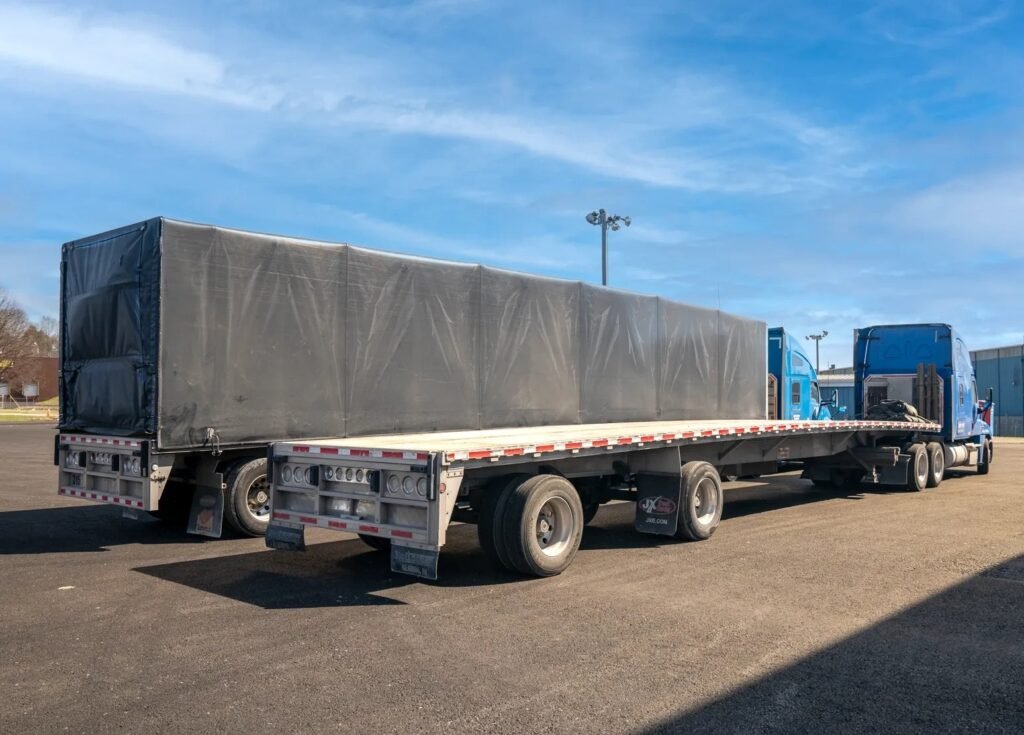
Refrigerated freight is essential to the U.S. supply chain, carrying food, pharmaceuticals, beverages, produce, and other temperature-sensitive goods between suppliers, distribution centers, retailers, and customers. Unlike standard dry freight, refrigerated loads require careful attention to temperature, equipment condition, delivery timing, and route planning. This is where reefer dispatch plays an important role. A knowledgeable dispatcher helps coordinate loads, communicate with brokers and drivers, monitor schedules, and keep refrigerated shipments moving while accounting for the operational demands of temperature-controlled transportation.
What Makes Reefer Trucking Different?
A reefer truck is equipped with a refrigerated trailer designed to maintain a controlled temperature throughout transportation. The refrigeration unit does not simply make the trailer cold. It must maintain the appropriate conditions for the specific commodity being transported.
For example, fresh produce may require one temperature range, while frozen food requires another. Some products can also be sensitive to temperature fluctuations during loading, transit, or unloading.
This creates additional responsibilities for carriers and drivers. Before accepting a load, they need to understand the commodity, required temperature, pickup and delivery requirements, appointment windows, and any special handling instructions.
A refrigerated trailer also requires proper maintenance. Fuel levels for the refrigeration unit, temperature settings, door seals, airflow, and mechanical condition can all affect whether a shipment arrives in acceptable condition.
For this reason, reefer transportation involves more than simply finding a load and assigning it to a truck. Each shipment needs to be evaluated from an operational and scheduling perspective.
The Role of a Reefer Dispatcher
A reefer dispatcher helps coordinate the administrative and logistical side of refrigerated trucking. Depending on the carrier’s operation, responsibilities can include searching for suitable freight, communicating with brokers, reviewing load information, organizing pickup and delivery schedules, and keeping track of changing transportation conditions.
A reefer dispatcher also needs to understand the limitations of refrigerated equipment. A load that looks profitable on paper may not be practical if the pickup location is far from the truck’s current position or if the delivery appointment creates excessive waiting time.
Consider a carrier based in Texas that has just delivered a refrigerated load in Georgia. A dispatcher evaluating the next shipment should consider not only the destination but also the distance to the next pickup, the delivery deadline, expected driving time, and the likelihood of finding another suitable load afterward.
Good dispatching therefore involves looking at the entire movement rather than treating every shipment as an isolated transaction.
How Reefer Truck Dispatch Supports Better Planning
Reefer truck dispatch requires careful coordination because refrigerated freight often operates under tighter scheduling requirements than ordinary cargo.
A dispatcher may review several factors before recommending a load:
- Pickup and delivery locations
- Commodity and temperature requirements
- Appointment times
- Total mileage
- Deadhead distance
- Expected loading and unloading time
- Fuel and operating costs
- Road and weather conditions
- Equipment requirements
- Potential reload opportunities
For instance, imagine a reefer truck in Illinois with an available pickup in Indiana. The shipment may appear attractive because the pickup is nearby. However, if the delivery appointment is scheduled during a period of expected congestion or leaves the driver poorly positioned for the next load, the overall trip may be less efficient than another option.
This is why effective dispatch decisions involve more than comparing rates. Timing, geography, equipment requirements, and the carrier’s broader schedule all matter.
Common Challenges in Refrigerated Freight
One of the biggest challenges in refrigerated transportation is maintaining the required temperature. Problems can arise from equipment failures, incorrect settings, extended loading times, poor airflow, or doors being opened repeatedly.
Weather can create another complication. Extreme heat can place additional demands on refrigeration equipment, while winter conditions can introduce different temperature-management concerns.
Appointment delays are also significant. A driver may arrive at a facility on time but still spend hours waiting to load or unload. For refrigerated carriers, this can affect the next appointment and reduce the number of productive miles completed during the day.
Communication is therefore critical. Brokers, shippers, receivers, dispatchers, and drivers may all need timely updates when circumstances change.
Documentation is another important part of the process. Load confirmations, temperature-related requirements, delivery paperwork, and other shipment records should be reviewed carefully. Small details in transportation documents can have practical consequences when a shipment reaches its destination.
What Carriers Should Consider When Choosing Reefer Loads
A reefer truck dispatcher can help carriers evaluate freight, but the carrier still needs to understand the economics and operational requirements of each shipment.
Rate per mile is useful, but it should not be the only measurement. A higher-paying load can become less attractive when it involves substantial deadhead, long detention, difficult appointments, or an unfavorable destination.
A simple example illustrates the point. Suppose one shipment pays more per loaded mile but requires several hundred empty miles to reach pickup. Another shipment pays slightly less but begins close to the truck and delivers into an area with stronger outbound freight. The second option may produce better overall utilization.
Carriers should also consider whether the commodity is compatible with their equipment and operating procedures. Refrigerated freight can have specific requirements, and accepting a shipment without fully understanding those requirements can create unnecessary risk.
The dispatcher and driver should maintain clear communication before and during the trip. Confirming pickup details, delivery requirements, temperature instructions, and appointment times can prevent avoidable misunderstandings.
Companies such as EverMark Dispatchers operate within this broader dispatching environment, where load coordination, route planning, broker communication, and scheduling are important parts of refrigerated trucking operations.
Technology and Communication in Modern Reefer Operations
Technology has changed the way refrigerated freight is managed. Electronic logging systems, GPS tracking, transportation management systems, digital load boards, and communication platforms can give dispatchers and carriers better visibility into a truck’s location and schedule.
Temperature monitoring is particularly valuable for sensitive cargo. Depending on the equipment and carrier setup, temperature data can help identify potential problems before they become larger issues.
However, technology does not replace sound judgment. A tracking system may show that a truck is moving, but it does not necessarily explain why a delivery is delayed or whether a refrigeration issue has developed. Human communication remains important when conditions change.
A dispatcher may need to contact a driver about traffic, coordinate with a broker about an appointment, and communicate with a facility regarding revised arrival times. Fast and accurate communication can help keep a shipment on schedule.
Understanding the Bigger Picture of Reefer Logistics
Refrigerated trucking is a specialized part of the U.S. freight industry because the cargo often has requirements that go beyond ordinary transportation. Food safety, product quality, temperature control, appointment scheduling, and equipment reliability all influence the movement of a load.
For carriers, successful operations depend on balancing revenue with practical considerations such as mileage, operating expenses, deadhead, waiting time, equipment condition, and future load opportunities. Dispatching is one part of that larger process, but it can have a meaningful impact on how efficiently available equipment is used.
Ultimately, refrigerated freight works best when drivers, dispatchers, brokers, shippers, and receivers understand their respective responsibilities and communicate clearly. Reefer dispatch is not simply about finding refrigerated loads. It involves coordinating the many details that allow temperature-sensitive freight to move safely, predictably, and efficiently across the United States.