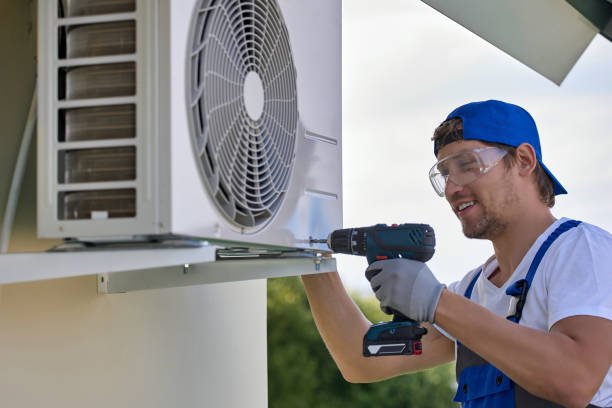
Getting a new air conditioner sounds pretty simple. Pick a system, book the install, and wait for cool air, right? Not quite. There are a few things worth sorting out before anyone brings equipment through your front door. A little preparation can save you from delays, extra costs, and that annoying moment when the installer says something needs changing before work can start. If you’re dealing with ac installers in Fingal Head, for example, you’ll want to make sure the home is actually ready for the job, not just the calendar. Good preparation makes the whole process easier.
Check Your Current Air Conditioning Setup
Before replacing or adding a system, take a proper look at what you already have. Is there an old split system being removed? Are the existing electrical connections suitable? Where does the current indoor unit sit, and is that location still practical? These details matter more than people think. Sometimes the old position works perfectly. Other times, it was chosen years ago and makes little sense now. Check for water stains, damaged walls, blocked access, or anything else around the existing equipment. It’s better to spot those problems before installation day rather than while someone is halfway through the job.
Make Sure the Electrical Supply Is Ready
Air conditioners need the right electrical setup, and this isn’t something to guess about. Your installer should assess whether the existing circuit can safely handle the new unit. Larger systems may need dedicated circuits or other electrical work before the air conditioner can be connected. If your switchboard is old or already crowded, mention it early. You don’t want installation day turning into an unexpected electrical upgrade. It can happen, but knowing beforehand gives you time to plan for it and understand the additional cost.
Choose the Indoor Unit Location Carefully
Where the indoor unit goes affects more than how the room looks. Air needs to move properly around the space, and the unit needs enough clearance for servicing later. Avoid squeezing it behind furniture, curtains, or anything that blocks airflow. Think about where you actually spend time in the room, too. A unit blasting cold air directly onto a sofa might sound great during a hot afternoon, but after a while, not so much. Discuss the position with your installer before the brackets go up. Moving equipment afterward is a hassle.
Clear Access Around the Work Area
This is one of those boring little jobs homeowners tend to overlook. Clear ac installers Fingal Head, boxes, plants, wall decorations, and other clutter from around the installation area. If the installer needs to work outside, check that the outdoor unit location is accessible as well. Gates should open, pathways shouldn’t be blocked, and pets need to be kept somewhere safe during the work. Nobody wants a tradesperson carrying heavy equipment while trying not to trip over a garden hose. Give them room to work. It usually means the job gets done quicker.
Think About the Outdoor Unit
The outdoor condenser needs a sensible home. It should have enough airflow around it and sit on a stable surface. Don’t automatically choose the most hidden corner just because you don’t like looking at the unit. A cramped location can make the system work harder and can also make future servicing difficult. Consider noise, sunlight, drainage, and how the unit will look against the house. Your installer can recommend a practical position. Sometimes the spot that looks slightly less tidy is actually the smarter long-term choice.
Confirm Drainage and Condensate Plans
Water drainage is another thing that should be discussed before installation begins. Indoor air conditioning units produce condensation, and that water needs somewhere safe to go. The drain line should be planned so water doesn’t end up running down an exterior wall, pooling near the house, or causing damage. Ask where the condensate will discharge and whether any additional drainage work is needed. It’s a small detail, but ignoring it can create a surprisingly big headache later.
Check the Room and Home Before Installation Day
Do a final walk-through a day or two before the appointment. Make sure the chosen installation areas are still clear, electrical access is available, and everyone in the household knows what is happening. If you’re having air conditioning installation in Cabarita Beach, the same basic preparation applies. Confirm the installer has the correct property details and knows about any access restrictions, tricky stairs, or unusual building features. If something has changed since the initial quote, speak up. Don’t wait until the tools are already on the floor.
Ask Questions Before the Installer Arrives
You don’t need to become an air conditioning expert. You just need to know what you’re paying for. Ask what preparation is included, whether removal of the old unit is covered, and if extra electrical or building work could be required. Find out how long the installation should take and what happens if an unexpected issue turns up. Also ask about cleaning the filters, servicing, and basic operation once the system is running. A decent installer won’t mind these questions. In fact, they’d probably rather answer them beforehand.
Conclusion: A Few Checks Can Prevent a Lot of Trouble
A good air conditioning installation starts before the installer arrives. Check the electrical supply, clear the work areas, think carefully about indoor and outdoor unit positions, and sort out drainage ahead of time. None of this is especially complicated. It just takes a little attention. The truth is, rushing the preparation can lead to delays or compromises that you’ll have to live with long after the installer leaves. Spend a bit of time getting the home ready, ask questions when you’re unsure, and let the installation team do the technical work. That’s a much better way to start with a system you’ll be using for years.