A straighter smile can influence both dental function and appearance, but modern orthodontic treatment is no longer limited to traditional braces. Digital orthodontic technology has introduced a more detailed way of assessing tooth alignment and planning clear aligner treatment.
For patients considering Invisalign Dubai, the digital smile assessment is an important part of the consultation process. It allows the dental team to examine the current position of the teeth, understand the patient’s concerns and create a personalised orthodontic plan.
At Cornerstone, digital assessment can help connect the patient’s smile goals with a structured treatment approach. Rather than simply deciding that clear aligners are suitable, the dentist evaluates the teeth, bite, facial appearance and anticipated tooth movements before discussing the proposed treatment.
What Is Invisalign?
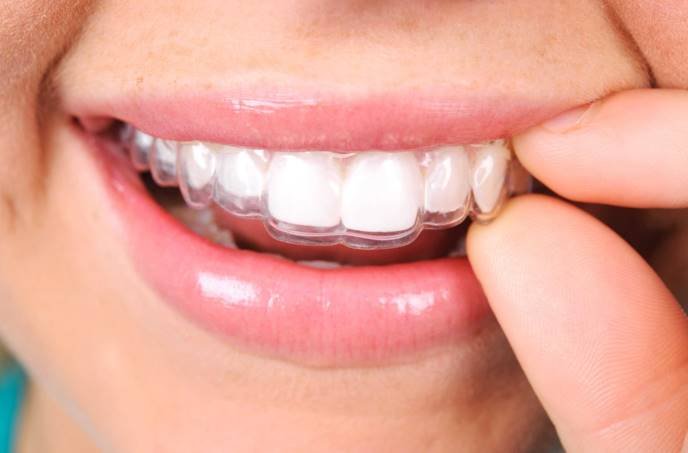
Invisalign is a clear aligner orthodontic system designed to gradually move teeth toward planned positions. Instead of using conventional fixed brackets and wires, treatment uses a series of removable, transparent aligners.
Each aligner is designed to apply controlled pressure to selected teeth. As treatment progresses, patients move through different sets of aligners according to the treatment plan developed by their dental professional.
The number of aligners and overall treatment duration can vary considerably between individuals because every smile has different alignment requirements.
What Is a Digital Smile Assessment?
A digital smile assessment uses modern dental technology to evaluate the teeth and surrounding oral structures. Depending on the clinic’s equipment and treatment protocol, this may involve digital photographs, intraoral scanning and computer-based treatment planning.
The information collected can provide a detailed representation of the patient’s teeth and bite.
Rather than relying only on traditional physical impressions, digital scanning can create a three-dimensional representation that supports the orthodontic planning process.
Why Digital Assessment Is Important
Orthodontic treatment needs to be based on accurate information about the patient’s current dental position.
A digital assessment allows the dentist to evaluate tooth alignment, spacing, crowding and the relationship between the upper and lower teeth. It can also support the development of a customised treatment plan.
This approach gives patients a clearer understanding of how their current smile may change throughout treatment.
Discussing Your Smile Goals
The digital assessment usually begins with a conversation about what the patient would like to improve.
Some patients may be concerned about crowded teeth, while others may want to address gaps, alignment or the overall appearance of their smile.
Functional concerns can also be discussed. For example, a patient may notice that their teeth do not meet evenly or that certain teeth make chewing uncomfortable.
Understanding these goals helps the dentist determine what should be prioritised during treatment planning.
Examining Tooth Alignment
One of the primary purposes of the digital assessment is to evaluate how the teeth are positioned.
The dentist can examine whether teeth are rotated, crowded, spaced or positioned outside the desired dental arch.
Digital images provide a detailed visual representation of these relationships, helping the dental team understand the complexity of the alignment.
Assessing Dental Crowding
Crowding occurs when there is insufficient space for teeth to sit in an ideal alignment.
The degree of crowding can vary from mild to more complex patterns involving several teeth.
During the assessment, the dentist evaluates where the crowding occurs and considers how the teeth could potentially be repositioned using clear aligners.
Assessing Gaps Between Teeth
Spaces between teeth are another common reason patients explore orthodontic treatment.
Digital scanning allows the dentist to measure and visualise these spaces and understand how they relate to the surrounding teeth.
The treatment plan can then be developed around the patient’s individual spacing pattern rather than applying the same approach to every smile.
Evaluating the Bite
Straight teeth are only one part of orthodontic planning. The way the upper and lower teeth meet is equally important.
The dentist evaluates the patient’s bite to identify how the teeth interact when the mouth closes.
This information helps determine which tooth movements may be required and whether clear aligner treatment is appropriate for the patient’s specific orthodontic needs.
Understanding Tooth Rotation
Some teeth may be turned or rotated from their ideal position. Digital scans can make these rotations easier to visualise.
The dentist can assess the position of individual teeth and determine how they relate to neighbouring teeth.
This information becomes part of the digital treatment plan and helps establish the sequence of planned movements.
Examining the Dental Arches
The shape and width of the upper and lower dental arches can influence the overall appearance of the smile.
During a digital assessment, the dentist can examine the arches from different perspectives and assess how the teeth are positioned within them.
This broader view can help create a treatment plan focused on overall alignment rather than simply moving individual teeth.
Digital Scanning Instead of Traditional Impressions
One of the advantages of digital orthodontic assessment is the ability to create a three-dimensional scan of the teeth.
An intraoral scanner captures detailed information about the dental surfaces and produces a digital model.
This model can be used for treatment planning and may also be useful for tracking changes throughout orthodontic treatment.
Digital Photographs and Facial Assessment
The teeth are not assessed independently from the face. Facial appearance can influence how a smile is perceived, so photographs may be incorporated into the assessment.
The dentist may evaluate the smile line, tooth visibility and the relationship between the teeth and lips.
This information can contribute to a more comprehensive treatment plan.
Creating a Digital Treatment Plan
After gathering the necessary information, the dentist can develop a digital representation of the proposed orthodontic movements.
This planning process involves determining how individual teeth may need to move and establishing an appropriate sequence.
The digital plan provides a framework for the aligner treatment and is adjusted according to the patient’s dental requirements.
Visualising Potential Tooth Movements
One of the most useful aspects of digital planning is that patients may be able to see a visual representation of the proposed tooth movements.
Depending on the available technology, the digital model may demonstrate how the teeth are expected to change position over the course of treatment.
This can make complex orthodontic concepts easier to understand.
The digital simulation should be viewed as a treatment-planning tool rather than a guarantee of a particular final appearance.
How the Dentist Determines Invisalign Suitability
Not every orthodontic concern is automatically treated with clear aligners.
The dentist evaluates the complexity of the alignment, bite, tooth position and overall oral condition before recommending Invisalign.
If clear aligners are appropriate, the dentist can explain how they may be used to address the patient’s particular concerns.
If another orthodontic approach would be more appropriate, this can also be discussed during consultation.
Personalising the Aligner Sequence
Every Invisalign treatment plan involves a specific sequence of aligners.
The digital treatment plan determines the intended movement of the teeth from their starting positions toward their planned positions.
The number of aligners depends on the complexity of the case and the extent of movement required.
This is why treatment plans can vary significantly between patients, even when their primary concern appears similar.
Considering Overall Smile Proportion
Orthodontic treatment is not simply about making teeth appear straight. Tooth proportions, spacing and the relationship between neighbouring teeth can influence the appearance of the completed smile.
The dentist considers these elements when developing the digital plan.
The aim is to create a balanced alignment that works naturally with the patient’s existing dental characteristics.
Reviewing the Treatment Plan With the Patient
Once the digital assessment and proposed plan have been completed, the dentist can explain the treatment in understandable terms.
Patients can ask why certain teeth need to move, how long the planned treatment may take and what their responsibilities will be during the process.
This discussion allows patients to make an informed decision about proceeding with treatment.
The Role of Patient Preferences
Patients may have different expectations from orthodontic treatment. Some may primarily want straighter front teeth, while others may be interested in broader changes involving their bite and overall alignment.
Communicating these preferences during the consultation helps the dentist understand what the patient considers most important.
The final treatment plan must balance these preferences with the patient’s dental anatomy.
Monitoring Progress Digitally
Digital technology can also support orthodontic monitoring after treatment begins.
The dental team can compare the teeth at different stages of treatment and evaluate progress against the planned movements.
Regular reviews allow the dentist to assess whether treatment is progressing appropriately and whether any adjustments are needed.
What Patients Can Expect During Their Assessment
A digital smile assessment is generally focused on gathering information rather than immediately beginning orthodontic treatment.
The dentist discusses the patient’s concerns, examines the teeth and may use digital scanning and photography to create a detailed record.
The collected information is then used to determine suitability and develop a personalised plan.
Patients should use this appointment to ask questions and clarify their treatment expectations.
Preparing for an Invisalign Consultation
Patients can prepare by thinking about what they want to change about their smile.
It can be useful to identify concerns such as crowding, gaps, crooked teeth or bite-related issues.
Patients should also provide information about their previous dental treatment and discuss any current concerns with the dentist.
Having questions prepared can make the consultation more productive.
Personalised Invisalign Planning at Cornerstone
At Cornerstone, digital smile assessment can provide dentists with detailed information for personalised Invisalign planning.
The assessment can combine digital scans, photographs, bite evaluation and discussion of aesthetic goals to create a treatment plan based on the individual patient’s needs.
For people researching Invisalign Dubai, this process provides a clearer understanding of how digital technology contributes to modern orthodontic treatment.
Why Digital Planning Has Changed Orthodontic Consultations
Traditional orthodontic planning relied heavily on physical impressions, photographs and clinical measurements. Digital technology has expanded the information available to dentists by creating detailed three-dimensional models of the teeth.
These models can be manipulated and examined from different angles, making it easier to understand complex tooth positions.
Digital planning can also improve communication between the dentist, laboratory and patient by providing a shared visual representation of the proposed treatment.
Understanding Treatment Expectations
Digital simulations can be useful for explaining the intended direction of treatment, but patients should understand that tooth movement is a biological process.
The actual progression of treatment is monitored by the dental team, and the plan may be modified when clinically appropriate.
A personalised consultation helps establish realistic expectations before treatment begins.
Conclusion
The digital smile assessment is an important part of modern clear aligner planning. It allows dentists to examine tooth alignment, spacing, crowding, bite and overall smile proportions while creating a detailed digital representation of the patient’s teeth.
For individuals considering Invisalign Dubai, the assessment provides an opportunity to understand how their treatment could be planned around their specific orthodontic needs. At Cornerstone, digital technology can support a personalised approach that combines clinical evaluation with the patient’s individual smile goals.
Rather than treating every smile in the same way, digital planning helps create an orthodontic pathway based on the patient’s current alignment, desired outcome and overall dental characteristics.
Frequently Asked Questions
What is a digital smile assessment for Invisalign?
A digital smile assessment is an orthodontic evaluation that may use digital scans, photographs and computer-based planning to examine the teeth, bite and overall smile before clear aligner treatment.
What happens during an Invisalign consultation?
The dentist discusses your smile goals, examines your teeth and bite, and may take digital scans and photographs. The information is then used to determine suitability and develop a personalised treatment plan.
Does Invisalign use digital scans?
Yes. Digital intraoral scanning can create a three-dimensional model of the teeth, which can be used to support Invisalign treatment planning.
Can I see what my teeth may look like after Invisalign?
Depending on the technology available at the dental clinic, a digital simulation may be used to demonstrate the planned direction of tooth movement and potential treatment outcome.
Can Invisalign treat crowded teeth?
Clear aligners may be suitable for certain types and degrees of dental crowding. The dentist evaluates the individual case before determining whether Invisalign is appropriate.
Can Invisalign close gaps between teeth?
Invisalign can be used to address certain types of spacing. The dentist assesses the size and location of the gaps before developing an appropriate treatment plan.
Does Invisalign treatment consider the bite?
Yes. The relationship between the upper and lower teeth is an important part of orthodontic assessment and can influence the aligner treatment plan.
How does the dentist create an Invisalign treatment plan?
The dentist uses information about the patient’s current tooth positions, bite and treatment goals to plan the desired tooth movements and sequence of aligners.
How long does Invisalign treatment take?
Treatment duration varies according to the complexity of the case, the amount of tooth movement required and how the teeth respond during treatment. The dentist can provide an individual estimate during consultation.
Can Invisalign treatment be monitored digitally?
Yes. Digital records can help the dental team compare tooth positions throughout treatment and monitor progress against the planned movements.
Is Invisalign suitable for everyone?
No. Suitability depends on the patient’s dental alignment, bite, oral condition and treatment requirements. A professional assessment is necessary before choosing clear aligners.
What should I discuss during an Invisalign consultation?
Discuss the changes you want to make to your smile, any concerns about your bite or tooth alignment and your expectations for treatment. You can also ask about the proposed treatment sequence and monitoring process.
Why is digital planning useful for Invisalign?
Digital planning gives the dentist a detailed three-dimensional view of the teeth and helps visualise planned tooth movements. It can also make the treatment process easier for patients to understand.
What does Invisalign Dubai involve?
Invisalign Dubai involves clear aligner orthodontic treatment planned according to the patient’s individual dental alignment and treatment goals. The process begins with an assessment to determine suitability and develop a personalised treatment plan.