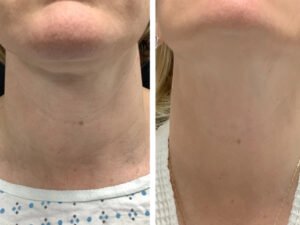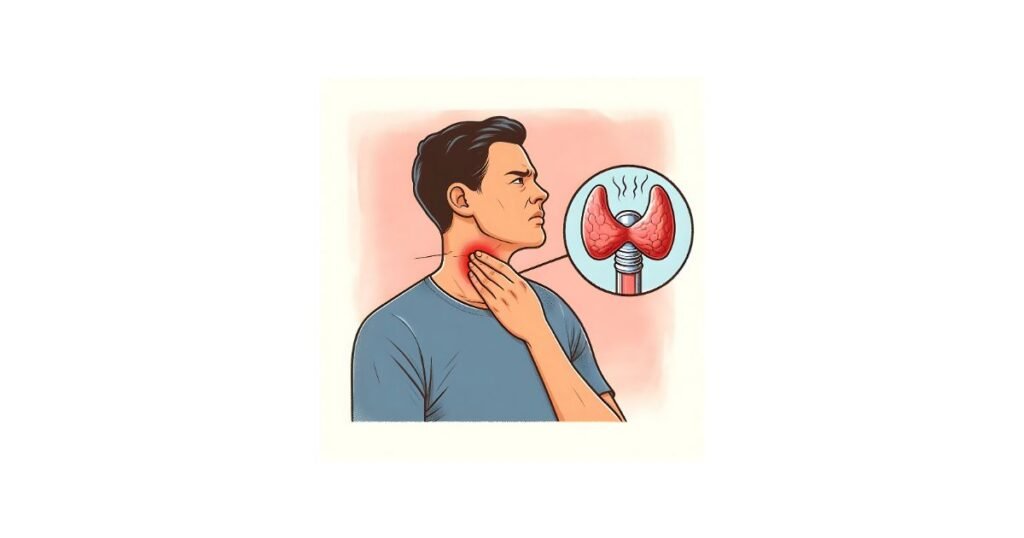
Thyroid swelling can sometimes become smaller without specific treatment, but it depends entirely on what is causing the swelling. Some mild cases may improve on their own, while others can remain unchanged or gradually become larger. Because thyroid swelling has many possible causes, it is not always safe to simply wait and see.
If you notice a lump or swelling at the front of your neck, it is important to have it evaluated. Consulting the best thyroid specialist in Chennai can help identify the cause and determine whether the swelling needs treatment, monitoring, or further testing.
What Causes Thyroid Swelling?
Thyroid swelling can occur for several reasons. Some common causes include:
- Goiter
- Thyroid nodules
- Thyroid cysts
- Thyroiditis
- Hypothyroidism
- Hyperthyroidism
- Autoimmune thyroid diseases
- Thyroid cancer
The treatment and chances of the swelling going away depend on the underlying condition.
Can Thyroid Swelling Go Away on Its Own?
Sometimes, yes. Certain temporary conditions can cause thyroid enlargement that may reduce as the underlying problem improves.
For example, inflammation of the thyroid gland can sometimes cause temporary swelling and discomfort. As the inflammation settles, the thyroid may gradually return closer to its normal size.
However, not every thyroid swelling behaves this way.
A swelling caused by a thyroid nodule, large goiter, or certain structural changes may not disappear without treatment.
Thyroiditis and Temporary Swelling
Thyroiditis means inflammation of the thyroid gland. It can happen because of an infection, an autoimmune reaction, or other causes.
Depending on the type of thyroiditis, symptoms may include:
- Neck pain
- Tenderness
- Swelling
- Fever
- Tiredness
- Temporary changes in thyroid hormone levels
Some forms of thyroiditis improve naturally over time. However, medical supervision is still important because thyroid hormone levels can change during the condition.
What About Thyroid Nodules?
Thyroid nodules are lumps that develop inside the thyroid gland. They are very common, and most are benign.
Some small benign nodules may remain stable for years and may only need regular monitoring.
However, a nodule that grows, causes symptoms, or has suspicious features on an ultrasound may require further evaluation.
A doctor may recommend a fine needle aspiration biopsy to determine whether the nodule is benign or cancerous.
Therefore, you should not assume that a thyroid lump will disappear without treatment.
Can a Goiter Shrink Naturally?
A goiter is an enlarged thyroid gland. Whether it can shrink depends on its cause.
For example, a goiter related to certain hormone problems may improve when the underlying thyroid condition is treated.
However, a large or longstanding goiter may not disappear on its own. If it becomes large enough, it can put pressure on nearby structures.
This may cause:
- Difficulty swallowing
- Breathing problems
- Hoarseness
- A feeling of pressure in the neck
In these situations, medical treatment may be necessary.
Can Hypothyroidism Cause Thyroid Swelling?
Yes. Certain forms of hypothyroidism can cause the thyroid gland to become enlarged.
If the swelling is related to an autoimmune condition such as Hashimoto’s thyroiditis, it may not disappear simply by waiting.
Thyroid function tests can help determine whether the gland is producing the right amount of hormones.
If necessary, doctors may prescribe thyroid hormone replacement medication.
What If the Swelling Is Caused by Hyperthyroidism?
Hyperthyroidism occurs when the thyroid produces too much thyroid hormone.
Some people with hyperthyroidism develop an enlarged thyroid gland or goiter.
Symptoms may include:
- Weight loss
- Fast heartbeat
- Excessive sweating
- Anxiety
- Shaking
- Difficulty sleeping
Treating hyperthyroidism may help reduce thyroid enlargement in some cases, but the appropriate treatment depends on the underlying cause.
Should You Wait and See?
It is better not to ignore a thyroid swelling simply because it does not hurt.
Many thyroid conditions are painless, including some thyroid cancers.
A doctor may recommend monitoring when the swelling is small and appears harmless. This is different from avoiding medical evaluation altogether.
Monitoring may involve:
- Regular physical examinations
- Thyroid blood tests
- Ultrasound scans
- Repeat testing when necessary
This approach allows doctors to detect changes early.
When Does Thyroid Swelling Need Treatment?
Treatment may be recommended when the swelling:
- Continues to grow
- Causes difficulty swallowing
- Causes breathing problems
- Produces excessive thyroid hormones
- Causes significant discomfort
- Has suspicious features
- Is confirmed to be cancerous
The exact treatment depends on the diagnosis.
Options may include medication, monitoring, radioactive iodine treatment, or surgery.
How Is Thyroid Swelling Evaluated?
A doctor will usually begin with a physical examination and medical history.
Common tests may include:
Thyroid Blood Tests
TSH, T3, and T4 tests help determine whether the thyroid is functioning normally.
Ultrasound
An ultrasound can show the size and structure of the thyroid and identify nodules or cysts.
Fine Needle Aspiration
If a nodule appears suspicious, a fine needle aspiration biopsy may be performed to examine thyroid cells.
These tests help doctors understand whether the swelling is harmless or requires treatment.
When Should You See a Doctor?
You should get medical advice if you notice:
- A new lump in your neck
- Swelling that continues to grow
- Difficulty swallowing
- Difficulty breathing
- Persistent hoarseness
- Neck pain
- Unexplained weight changes
- Rapid heartbeat
If the swelling needs medical attention, thyroid swelling treatment in Chennai can be planned based on the underlying cause rather than treating the swelling blindly.
Final Thoughts
Thyroid swelling can sometimes improve without specific treatment, particularly when it is caused by temporary inflammation. However, many thyroid swellings do not disappear on their own and may require monitoring, medication, or surgery.
The important thing is to find out why the thyroid is swollen. A painless or small swelling can still require evaluation, so it is better not to ignore changes in your neck.
With proper diagnosis, most thyroid conditions can be managed effectively. Early medical evaluation can provide reassurance when the swelling is harmless and allow treatment to begin quickly when it is needed.