A Simple Guide to Choosing Custom Food Wrap Paper for Your Business
Start With Your Menu Needs
Every food business has different daily wrapping requirements to consider. A busy sandwich shop needs different wrap than a bakery. Understanding your specific menu items guides every packaging decision made. Custom Food Wrap Paper should match the food types you most often serve. Businesses that skip this step often overspend or underprepare. Clear menu analysis saves time during the entire buying process. Starting with real menu needs truly leads to smarter choices. This first step shapes every decision that follows after.
Understand Grease And Moisture Levels
Different foods release different amounts of grease and moisture daily. Fried items need stronger grease resistance than dry baked goods. Sandwiches require moisture control to avoid the soggy bread problem. Knowledge of these differences helps companies to choose the right type of coating. Weak material choices lead to messy customer complaints in brief order. Businesses should try to wrap under real kitchen conditions before purchasing. The testing identifies weaknesses before a large order is placed. Getting the detail right is important for food and reputation.
Wrap Paper Builds Recognition
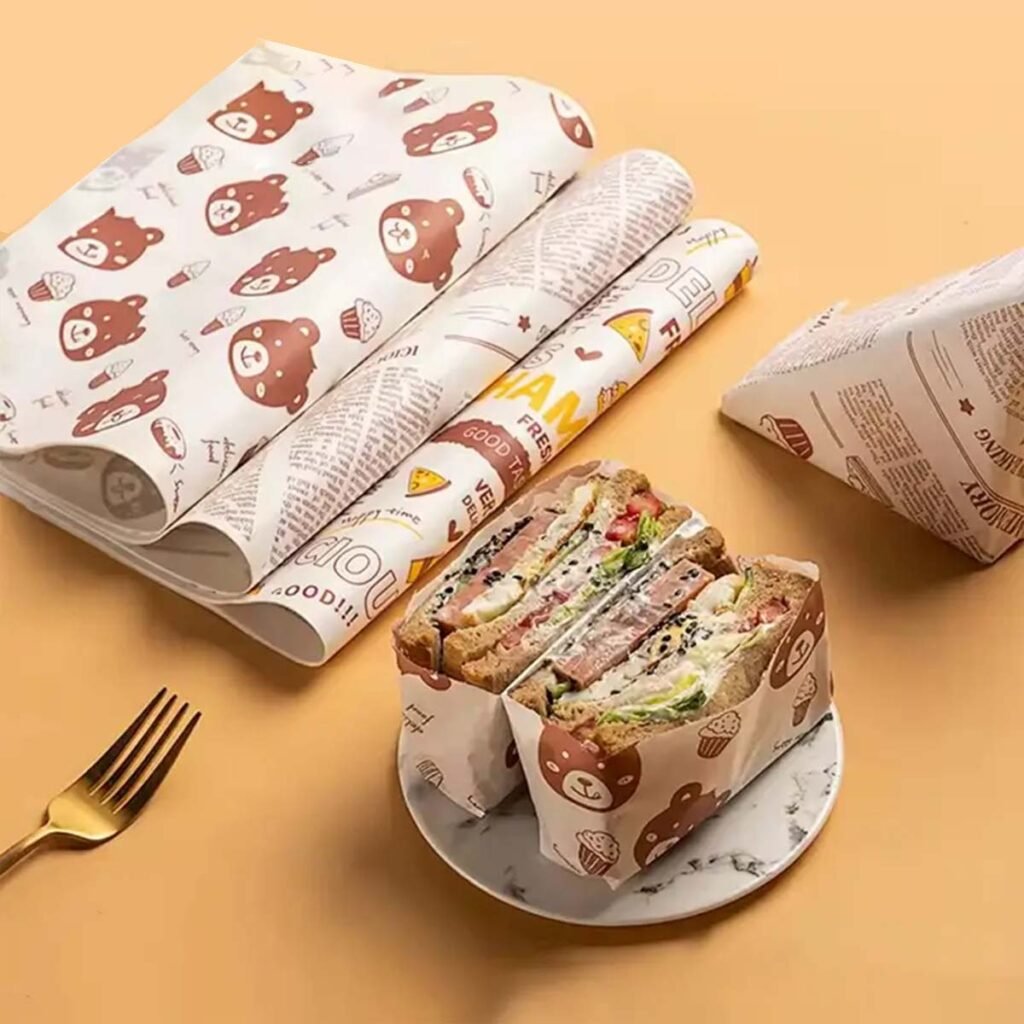
Recognition grows through consistent visual elements across every customer order. Custom Food Wrap Paper offers a simple chance to build that recognition. Printed logos colors and patterns turn plain wrap into marketing. Customers remember distinct wrap long after finishing their meal. This memory often results in repeated visits when cravings come up in the future. Consistent branding on every order creates trust with repeat buyers. Even the smallest food business can benefit from branded wrap. Recognition today may lead to increased sales down the road. Branding truly transforms simple wrap into a valuable business asset. Smart branding choices pay off across many future orders.
Consider Your Daily Order Volume
Order volume plays a major role in packaging decisions overall. High volume businesses need wrap that handles constant daily use. Lower volume shops can often choose more premium detailed options. A good estimate of monthly use will help prevent running out during busy periods. It also helps negotiate better prices through appropriate bulk orders. Before placing big orders businesses should keep track of previous sales. This data prevents both overstocking and frustrating last minute shortages. Volume planning also affects storage space needed at each location. Smart volume estimates truly support smooth daily kitchen operations.
Balance Costs With Value
Price is important but it should never be the most important factor. Cheap wrap can lead to complaints returns and lost customers. Slightly higher quality often pays for itself through fewer problems. Ultimately businesses should consider total cost including potential customer dissatisfaction. Many bulk prices can also drastically lower per unit costs over time. Multiple supplier comparisons give real value not shortcuts. In general long term thinking often beats short term saving decisions. Good companies think of packaging as an investment rather than a cost. Real value is balancing price quality and reliability together.
Look For Sustainable Wrap Options
Many customers today want to support food businesses that are responsible to the environment. These aware buyers are drawn to recyclable or compostable wrap options. This choice also demonstrates a genuine caring above profit motives. Businesses need to investigate the eco friendly materials that are available. Small sustainable upgrades often tell meaningful positive brand stories. Respecting the planet is something customers often support businesses for. That’s support that often turns into greater loyalty and more return visits. Sustainability decisions are playing a growing role in where customers choose to spend. Green choices are becoming standard rather than optional extras.
Test Samples Before Ordering
Testing remains the best way to confirm real world performance. Companies can view actual grease resistance and strength with samples. Custom Food Wrap Paper also shows how it does with real food in physical testing. That prevents any expensive surprises when a large order comes in. Samples should be tested in a real kitchen and in real delivery conditions. Staff feedback may highlight issues that seem good on paper. When you compare a number of samples side by side real differences quickly show up. This close comparison protects both the budget and the satisfaction of the customer. Testing truly removes guesswork from the final purchasing decision.
Make Your Final Informed Choice
Choosing the right wrap means balancing several important factors together. Menu needs volume branding cost and sustainability all deserve thought. Testing samples firsthand remains the best way to confirm quality. A well informed choice protects both food and brand reputation. Burger Paper can be a practical option for businesses that serve burgers regularly and need reliable wrapping. This protection supports steady customer satisfaction across every single order. Businesses that take time here often see stronger long term results. The right choice truly reflects careful thoughtful business planning overall.
FAQs
What should businesses consider first when choosing wrap?
Start with your specific menu items and daily needs. Different foods require different levels of grease resistance. This assessment guides every future packaging decision.
Why does order volume matter for wrap choice?
High volume businesses need wrap built for constant daily use. Estimating use helps you to not run out during busy times. It also helps in better bulk pricing negotiations.
Should a business test sample before ordering wrap?
Yes, testing shows real grease resistance and strength in person. That way you won’t be caught out by a big order. Staff feedback often reveals things that are missed on paper.