In the HVAC industry, customer satisfaction depends on more than simply completing a repair. A successful service visit means the equipment continues operating reliably long after the technician has left. Unfortunately, repeat service calls—commonly known as callbacks—remain a costly challenge for HVAC contractors. They increase labor expenses, reduce technician availability, and can damage a company’s reputation.
One often-overlooked preventive maintenance procedure that significantly reduces callbacks is heat strip resistance testing. By verifying the electrical condition of electric heat strips before they fail, technicians can identify hidden issues, ensure safe operation, and improve overall system reliability.
Understanding Heat Strips in HVAC Systems
Heat strips are electric resistance heating elements commonly installed inside air handlers and heat pump systems.
Their primary purpose is to provide supplemental heating during extremely cold weather or serve as emergency heat when the heat pump cannot produce sufficient warmth.
When electricity flows through the resistance coils, they generate heat that is distributed throughout the building by the system’s blower. Although heat strips are mechanically simple, they operate under high electrical loads and temperatures, making regular inspection essential.
Over time, heating elements can deteriorate due to:
-
- Continuous heating and cooling cycles
-
- Electrical stress
-
- Corrosion
-
- Loose electrical connections
-
- Physical damage
-
- Moisture exposure
Many of these issues remain undetected during a basic visual inspection.
What Is Heat Strip Resistance Testing?
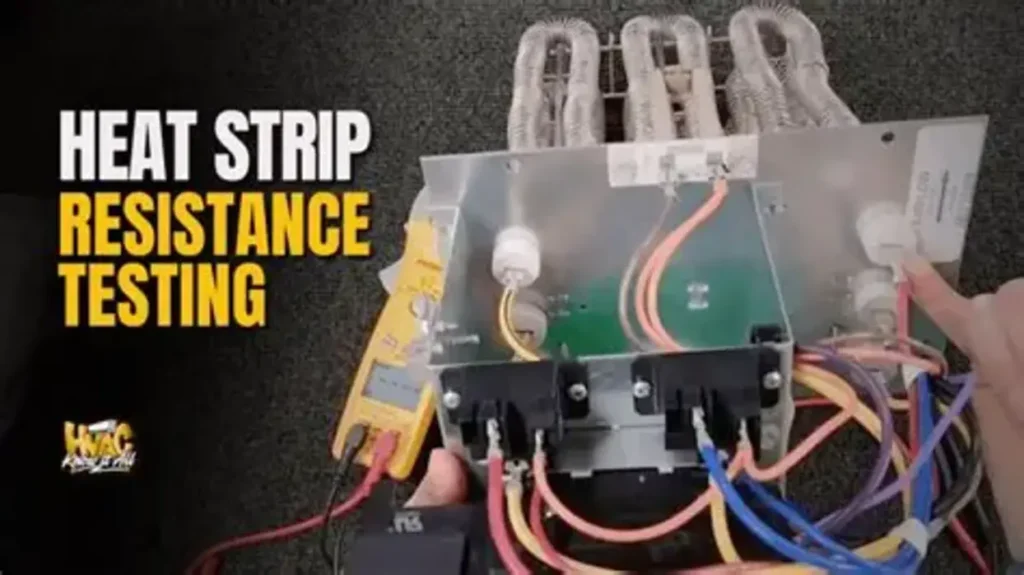
Heat strip resistance testing involves measuring the electrical resistance of each heating element using a digital multimeter. The measured resistance is then compared with the manufacturer’s specifications to determine whether the element is operating within its designed range.
Testing also helps technicians identify:
-
- Open heating elements
-
- Partial element failures
-
- Short circuits
-
- Ground faults
-
- Uneven resistance between heating stages
-
- Hidden electrical damage
Rather than waiting for complete failure, technicians can identify components that are beginning to degrade before they create larger system problems.
Why Service Callbacks Occur
Many HVAC callbacks originate from electrical problems that were not detected during the initial service appointment.
Common examples include:
-
- Emergency heat not functioning properly
-
- Breakers tripping after service
-
- Uneven heating throughout the building
-
- Burned wiring connections
-
- High electrical current draw
-
- Blower operating without adequate heat
These issues may not appear during a brief operational test but become noticeable after several heating cycles.
Resistance testing provides an additional layer of verification that helps uncover these hidden defects.
Detecting Hidden Heating Element Problems
One of the greatest advantages of resistance testing is its ability to reveal internal damage invisible from the outside.
A heat strip may appear perfectly normal while suffering from:
-
- Internal fractures
-
- Weak coil sections
-
- Partial electrical opens
-
- Insulation deterioration
-
- Heat stress damage
Without testing, these problems often remain unnoticed until the customer experiences heating failure days or weeks later.
Early detection allows technicians to replace failing components before they become emergency repairs.
Improving Electrical Safety
Heat strips operate at relatively high voltage and current levels. A damaged heating element may continue operating while creating dangerous electrical conditions.
Potential safety risks include:
-
- Overheated wiring
-
- Melted insulation
-
- Electrical arcing
-
- Ground faults
-
- Fire hazards
Resistance testing helps verify that each element remains electrically sound before returning the system to service.
This proactive approach improves both equipment reliability and occupant safety.
Preventing Emergency Heat Failures
Heat pumps rely heavily on auxiliary heat strips during freezing outdoor temperatures.
If one or more heat strips fail unexpectedly, customers may notice:
-
- Reduced indoor comfort
-
- Long heating cycles
-
- Cold airflow
-
- Higher utility bills
-
- Inability to reach thermostat settings
Testing each heating stage during preventive maintenance greatly reduces the likelihood of emergency heating failures during peak winter demand.
Extending Equipment Life
Electrical problems inside heat strips rarely remain isolated.
A defective element may place additional stress on:
-
- Contactors
-
- Sequencers
-
- Relays
-
- Circuit breakers
-
- Wiring terminals
-
- Power connections
By identifying abnormal resistance early, technicians prevent secondary component damage that could require much more expensive repairs.
Protecting these supporting components extends the overall lifespan of the HVAC system.
Improving Maintenance Quality
Preventive maintenance has evolved beyond simple filter changes and cleaning.
Today’s professional HVAC inspections include detailed electrical diagnostics that provide a more complete evaluation of system health.
Adding heat strip resistance testing demonstrates a commitment to thorough service by:
-
- Confirming proper electrical performance
-
- Documenting system condition
-
- Identifying developing failures
-
- Reducing unexpected breakdowns
Customers appreciate technicians who solve problems before they become emergencies.
Building Customer Confidence
Callbacks not only cost contractors money—they also reduce customer confidence.
When technicians perform comprehensive inspections that include resistance testing, customers recognize the additional attention to detail.
Documenting resistance readings allows technicians to explain:
-
- Current equipment condition
-
- Future maintenance recommendations
-
- Components approaching end of life
-
- Potential repair options
This transparency helps customers make informed maintenance decisions while increasing trust in the HVAC service provider.
Best Practices for Heat Strip Resistance Testing
For accurate and safe testing, technicians should follow established procedures.
Recommended best practices include:
-
- Disconnect power before testing.
-
- Verify zero voltage using appropriate test equipment.
-
- Isolate heating elements when necessary.
-
- Measure resistance across each individual heating element.
-
- Compare readings with manufacturer specifications.
-
- Inspect wiring for discoloration or overheating.
-
- Check terminals for loose connections.
-
- Record resistance values for future maintenance comparisons.
-
- Replace components showing abnormal readings.
-
- Perform a complete operational test after repairs.
Maintaining detailed service records also helps identify gradual changes in resistance over multiple maintenance visits.
Training Makes the Difference
Resistance testing is straightforward, but interpreting results requires proper technical knowledge.
Experienced technicians understand how resistance values relate to:
-
- Wattage
-
- Voltage
-
- Current draw
-
- Heating capacity
-
- Overall electrical performance
Ongoing technical training ensures accurate diagnosis while minimizing unnecessary component replacement.
Companies that invest in technician education often experience lower callback rates and higher customer satisfaction.
Conclusion
Heat strip resistance testing is a simple yet highly effective diagnostic procedure that delivers substantial benefits for HVAC service professionals. By identifying hidden electrical problems before they cause system failures, technicians can improve equipment reliability, enhance safety, extend component life, and significantly reduce costly service callbacks.
As customers increasingly expect dependable heating performance, incorporating resistance testing into every preventive maintenance inspection represents a proactive approach that benefits both contractors and building owners. Small investments in thorough diagnostics today can prevent expensive emergency repairs tomorrow, making heat strip resistance testing an essential part of modern HVAC maintenance.
Post by: acjakarta.com