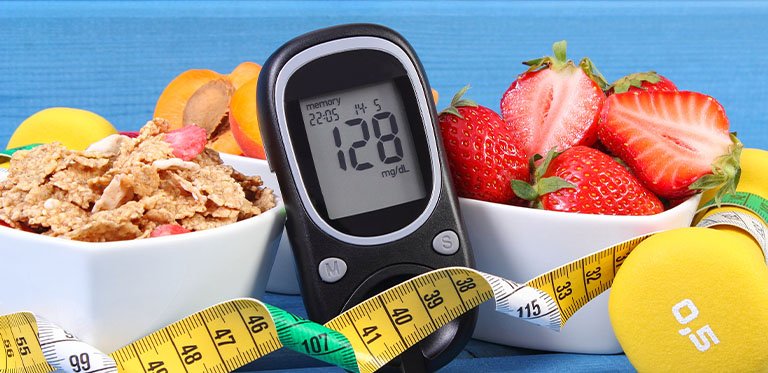
A small change in blood sugar levels can affect energy, mood, and overall health more than many people realize. For people living with diabetes, regular monitoring provides valuable information about how food, activity, medication, and lifestyle choices influence their bodies. Access to Type 1 and Type 2 diabetes education online helps patients understand these patterns and make informed decisions. Consistent tracking is one of the most effective steps toward safer and more balanced diabetes management.
Why Blood Sugar Monitoring Is Important for Diabetes Management
Blood sugar monitoring allows diabetes patients to understand what is happening inside their bodies throughout the day. Glucose levels naturally change based on meals, exercise, stress, sleep, and medication. Tracking these changes helps patients and healthcare providers identify patterns and create better treatment plans.
Diabetes affects the body’s ability to control glucose properly. Without regular monitoring, patients may not notice when their levels become too high or too low. These changes can sometimes happen without obvious symptoms, making routine checks an essential part of daily care.
Monitoring Helps Prevent High and Low Blood Sugar Problems
High blood sugar, also known as hyperglycemia, can develop when the body does not have enough insulin or cannot use insulin effectively. Over time, consistently high glucose levels may increase the risk of complications affecting the heart, kidneys, eyes, and nerves.
Low blood sugar, or hypoglycemia, can also create serious concerns. It may cause symptoms such as shaking, confusion, sweating, dizziness, and weakness. Regular monitoring helps patients recognize these changes early and take appropriate action.
Patients can reduce risks by:
- Checking glucose levels according to their healthcare provider’s recommendations
- Keeping records of readings and noting unusual changes
- Understanding warning signs of high or low blood sugar
- Following prescribed medication and lifestyle plans
How Blood Sugar Tracking Supports Better Treatment Decisions
Every person with diabetes responds differently to food, physical activity, and medication. Blood sugar readings provide clear information that helps healthcare professionals adjust treatment when necessary.
For example, a patient may notice that glucose levels rise significantly after eating certain foods. This information can guide healthier meal choices and improve daily control. Similarly, tracking levels before and after exercise can show how physical activity affects the body.
Doctors Use Glucose Information to Adjust Care Plans
Healthcare providers rely on blood sugar records to evaluate whether a treatment approach is working. These records may help determine whether medication doses need adjustment or whether lifestyle changes are producing positive results.
Regular communication between patients and healthcare professionals creates a stronger approach to diabetes care. Good diabetes education teaches patients how to collect useful information and discuss their progress during medical visits.
Understanding the Difference Between Type 1 and Type 2 Diabetes Monitoring
Although both Type 1 and Type 2 diabetes involve problems with blood sugar regulation, monitoring needs can vary depending on the condition.
People with Type 1 diabetes usually require insulin because their bodies produce little or no insulin. Frequent monitoring helps them manage insulin doses and maintain safer glucose levels throughout the day.
People with Type 2 diabetes may manage their condition through lifestyle changes, oral medications, insulin, or a combination of treatments. Monitoring helps them understand how different choices affect their glucose control.
Type 1 Diabetes Requires Careful Daily Tracking
Type 1 diabetes management often involves checking blood sugar multiple times daily. Patients may need to monitor levels before meals, after physical activity, and during periods of illness or stress.
Understanding glucose patterns allows people with Type 1 diabetes to make timely adjustments and reduce the chance of sudden changes. Proper education and consistent monitoring can improve confidence in managing daily routines.
Type 2 Diabetes Monitoring Supports Long-Term Health
Type 2 diabetes often develops gradually, and some people may not notice symptoms immediately. Regular monitoring helps patients stay aware of their condition and take action before problems become more serious.
Lifestyle factors such as weight management, nutrition, exercise, and stress control can influence blood sugar levels. Tracking results helps patients identify which habits support better health outcomes.