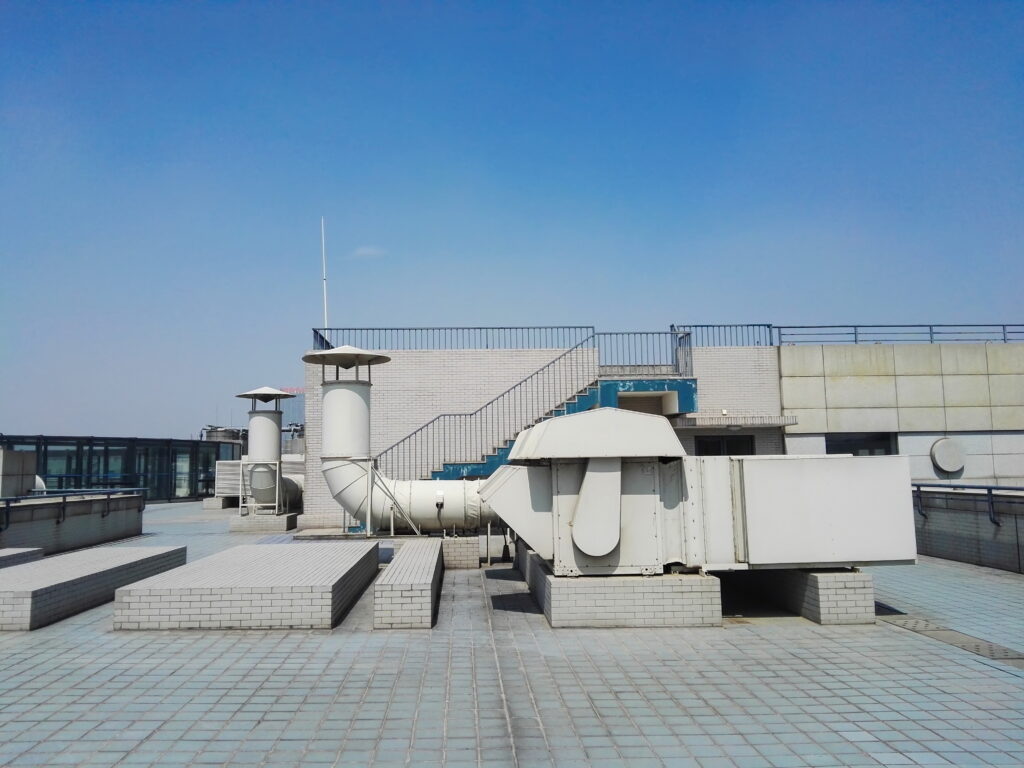
Ventilation duct on building roof
Industrial facilities rely on advanced equipment to maintain productivity, improve process efficiency, and reduce operating costs. Among the most essential technologies used across various industries are Nash vacuum pumps, which are widely recognized for their dependable performance in demanding applications. From chemical processing and power generation to food manufacturing and paper production, vacuum systems play a critical role in ensuring smooth and efficient operations.
At Courtney & Nye, businesses can find reliable vacuum solutions that support long-term operational performance while helping industries optimize their processes and improve energy efficiency.
Understanding Nash Vacuum Pumps
Nash vacuum pumps are industrial vacuum systems designed to create and maintain vacuum conditions for a wide range of applications. These pumps are particularly valued for their ability to handle moisture, vapors, and contaminated gases, making them highly suitable for challenging industrial environments.
Vacuum technology is essential because many industrial processes require controlled pressure conditions to improve product quality, increase efficiency, and ensure safe operation. By removing air and gases from a system, vacuum pumps enable industries to perform critical operations such as evaporation, drying, filtration, and distillation.
The robust design and reliable operation of Nash vacuum pumps make them an important component in numerous industrial sectors.
Importance of Vacuum Technology in Industry
Many manufacturing and processing operations depend on vacuum conditions to function effectively. Without reliable vacuum systems, production efficiency can decrease, equipment may experience excessive wear, and product quality may suffer.
Industrial vacuum systems help facilities achieve:
- Improved process control
- Reduced operating costs
- Enhanced product consistency
- Increased production efficiency
- Better equipment reliability
As industries continue to focus on efficiency and sustainability, dependable vacuum technology becomes increasingly important.
Key Features of Nash Vacuum Pumps
Reliable Performance
One of the primary advantages of Nash vacuum pumps is their ability to operate continuously under demanding conditions. Their dependable performance helps minimize production interruptions and supports long-term operational stability.
Ability to Handle Wet and Contaminated Gases
Many industrial applications involve moisture, process vapors, and contaminants. These vacuum pumps are specifically designed to handle such challenging conditions without significant performance loss.
Low Maintenance Requirements
The simple and durable design of vacuum systems contributes to reduced maintenance requirements and lower operating expenses.
Long Service Life
Industrial facilities seek equipment that provides reliable performance over many years. Properly maintained vacuum systems can offer long service life and excellent return on investment.
Energy Efficiency
Modern vacuum technologies are designed to optimize energy usage while maintaining effective vacuum performance, helping businesses reduce overall operating costs.
Industrial Applications of Nash Vacuum Pumps
The versatility of Nash vacuum pumps allows them to serve a broad range of industries.
Chemical Processing
Chemical plants frequently require vacuum conditions for distillation, evaporation, solvent recovery, and product drying processes.
Power Generation
Power facilities depend on vacuum systems to improve turbine efficiency and support continuous energy production.
Food and Beverage Manufacturing
Vacuum technology is commonly used in food processing applications to improve product quality, extend shelf life, and maintain production efficiency.
Pharmaceutical Industry
Pharmaceutical manufacturing often requires controlled vacuum environments to ensure precise production conditions and product consistency.
Pulp and Paper Industry
Paper manufacturing operations use vacuum systems for dewatering, drying, and improving overall production efficiency.
Mining and Industrial Manufacturing
Many heavy industrial applications rely on vacuum technology to support various production processes and improve operational reliability.
The Role of Air Cooled Heat Exchangers in Industrial Systems
Alongside vacuum technology, thermal management is another critical aspect of industrial efficiency. Air cooled heat exchangers play a major role in maintaining proper operating temperatures and protecting industrial equipment from excessive heat.
Air cooled heat exchangers transfer heat from process fluids to the surrounding air without requiring large amounts of cooling water. This makes them particularly valuable in facilities where water conservation is important or where water resources are limited.
Benefits of Air Cooled Heat Exchangers
Reduced Water Consumption
One of the biggest advantages of air cooled heat exchangers is their ability to operate without extensive water requirements, supporting sustainability initiatives.
Lower Operating Costs
By reducing water usage and improving thermal efficiency, businesses can significantly lower overall operating expenses.
Improved Equipment Protection
Effective temperature control helps prevent overheating and extends the lifespan of industrial equipment.
Environmental Advantages
Lower water consumption and improved energy efficiency contribute to environmentally responsible industrial operations.
Reliable Performance
Air cooled heat exchangers are designed to operate effectively under varying environmental conditions, providing dependable thermal management.
Combining Vacuum and Heat Transfer Technologies
Many industrial facilities use both Nash vacuum pumps and air cooled heat exchangers as part of integrated process systems. Combining vacuum and thermal management technologies enables businesses to optimize production efficiency and improve process reliability.
For example, chemical manufacturing often requires vacuum conditions for distillation processes while simultaneously needing efficient cooling systems to control temperatures. Similarly, power plants depend on both technologies to maximize energy production and maintain equipment performance.
The integration of these systems helps facilities achieve:
- Improved energy efficiency
- Reduced operating costs
- Enhanced process reliability
- Better equipment performance
- Increased production capacity
Energy Efficiency and Sustainability
Industrial organizations increasingly focus on reducing energy consumption and minimizing environmental impact. Efficient vacuum systems and heat exchangers contribute significantly to these objectives.
Implementing advanced technologies allows facilities to:
- Recover and utilize energy more effectively
- Lower greenhouse gas emissions
- Reduce resource consumption
- Improve operational sustainability
- Support long-term environmental goals
Investing in efficient equipment not only improves profitability but also strengthens environmental responsibility.
Why Choose Courtney & Nye?
Selecting the right industrial equipment provider is essential for long-term success. Courtney & Nye offers dependable solutions designed to meet the demanding requirements of various industries.
Customers benefit from:
- Extensive industrial expertise
- Reliable equipment solutions
- Improved process efficiency
- Reduced maintenance requirements
- Long-term operational support
By understanding the unique challenges faced by industrial facilities, Courtney & Nye helps businesses identify solutions that improve productivity and maximize equipment performance.
Maintenance Considerations for Vacuum Systems
Regular maintenance is important for ensuring the reliable operation of vacuum equipment. Routine inspections and preventive servicing help maintain performance while minimizing the risk of unexpected downtime.
Recommended maintenance practices include:
- Monitoring operating conditions
- Inspecting seals and components
- Checking fluid levels and system performance
- Performing scheduled cleaning and servicing
- Addressing minor issues before they become major problems
A proactive maintenance strategy helps extend equipment life and maintain efficient operation.
Conclusion
Nash vacuum pumps remain an essential technology for industries that require dependable vacuum performance and efficient process control. Their ability to operate under demanding conditions, handle contaminated gases, and support continuous production makes them a valuable asset across numerous industrial applications.
In addition, air cooled heat exchangers play a vital role in maintaining proper operating temperatures and improving energy efficiency. Together, these technologies help industries optimize processes, reduce operating costs, and enhance overall equipment reliability.
Courtney & Nye continues to support industrial facilities by providing reliable vacuum and heat transfer solutions that contribute to improved productivity, greater efficiency, and long-term operational success.