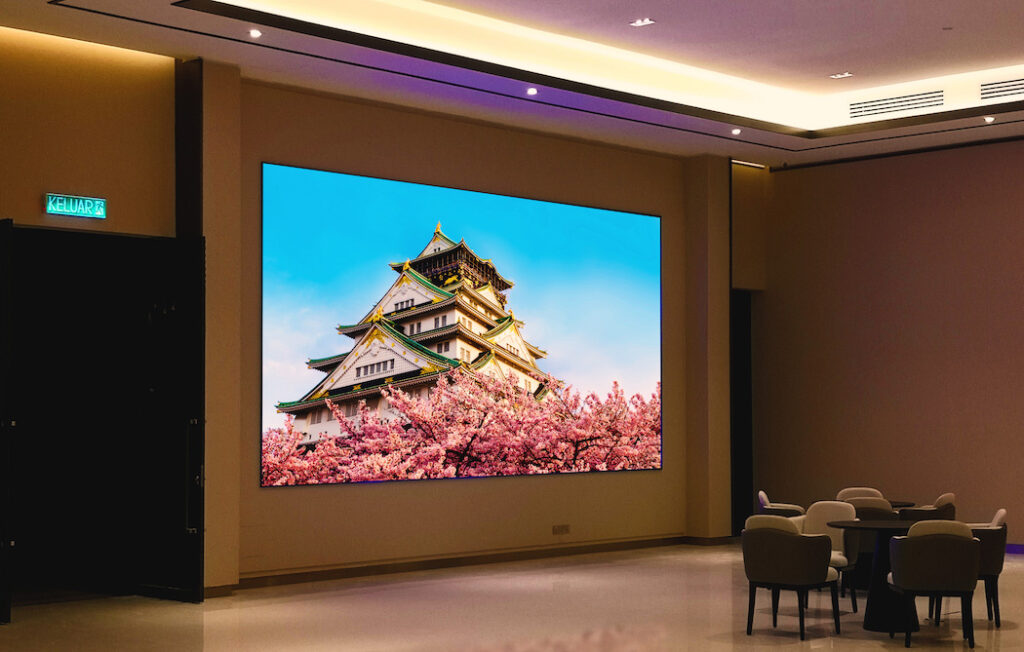
Walk into almost any major retail store today, and you’ll notice something has changed. Static paper posters and printed banners are giving way to bright, dynamic Indoor LED Screen displays that cycle through promotions, brand stories, and real-time content. In-store advertising has undergone a quiet revolution—and for retailers paying attention, the financial case for making the switch is becoming impossible to ignore.
Digital LED advertising isn’t just a visual upgrade. It’s a strategic investment that, when executed well, delivers measurable returns across sales, customer engagement, and operational efficiency. This post breaks down exactly how—and what retailers need to know to get the most out of every screen.
What Does ROI Actually Mean in Retail Advertising?
Return on investment in retail advertising goes beyond simple revenue calculations. It encompasses foot traffic increases, dwell time (how long customers stay in-store), sales conversion rates, and the long-term value of brand recall.
Traditional signage—printed posters, cardboard displays, foam boards—has served retailers for decades, but it comes with significant limitations. Print materials take time to produce, cost money to distribute, and become outdated the moment a promotion ends. Digital LED screens, by contrast, can be updated instantly, repurposed across campaigns, and measured with far greater precision.
The shift from static to digital isn’t just about aesthetics. It’s about gaining control over your advertising in a way that printed materials simply can’t offer.
The Core Benefits of Indoor LED Screens for In-Store ROI
How do digital LED screens improve customer engagement?
Motion captures attention. It’s a basic fact of human perception—our eyes are drawn to movement before static imagery. High-resolution LED displays that cycle through vibrant visuals, video content, or animated promotions naturally draw customers in, increasing the likelihood they’ll stop, look, and engage.
Beyond grabbing attention, digital screens enable real-time personalisation. Retailers can tailor content based on the time of day, current stock levels, or even local weather conditions. A coffee chain, for instance, might promote hot drinks on cold mornings and iced beverages by midday—automatically, without staff intervention. This kind of contextual relevance makes advertising feel less like noise and more like a helpful nudge.
Some retailers are going further still, incorporating touchscreen functionality to let customers browse product catalogues, check availability, or access loyalty rewards directly from in-store screens. The result is a richer shopping experience that keeps customers engaged for longer.
Can digital signage directly increase sales?
Yes—and the mechanism is straightforward. LED screens placed near product displays or at point-of-sale locations are particularly effective at driving impulse purchases. A well-timed promotion displayed at eye level, just as a customer is deciding what to buy, can be the difference between a sale and a missed opportunity.
Beyond individual transactions, digital screens play a longer game for brand awareness. Consistent, high-quality visuals reinforce brand identity in a way that a crumpled poster simply cannot. Over time, this contributes to stronger brand recall and greater customer loyalty.
What operational cost savings do LED screens offer?
This is where the ROI case becomes especially compelling for finance-minded decision-makers. The ongoing costs of traditional signage—design, print, delivery, installation, disposal—add up quickly, particularly for retailers running frequent promotional cycles.
Digital LED screens eliminate most of these recurring expenses. Content updates are made centrally, often through cloud-based management systems, meaning a single team member can refresh messaging across dozens of locations simultaneously. Seasonal campaigns, flash sales, and product launches can be activated and deactivated at the click of a button—no print run required.
Over a two-to-three year period, the operational savings alone can offset a significant portion of the initial hardware investment.
Strategies for Getting the Most from Your Digital LED Investment
Creating content that actually performs
The screen is only as good as what’s on it. Retailers who invest in quality content—clear messaging, high-resolution visuals, and a strong call to action—consistently outperform those who treat the display as an afterthought. Keep content concise, update it regularly, and ensure it aligns with broader marketing campaigns for maximum consistency.
Placing screens where they make the most impact
Location matters enormously. High-traffic areas near entrances, at aisle ends, and beside checkout queues tend to deliver the strongest results. Screens positioned at eye level, angled towards the natural flow of foot traffic, maximise visibility without feeling intrusive.
Using data to refine your approach
Many modern LED systems integrate with analytics tools that track engagement metrics—how long customers pause in front of a screen, which content prompts them to pick up a product, and how footfall patterns shift throughout the day. This data allows retailers to test different content formats, adjust screen placement, and continuously optimise for better results.
Connecting in-store screens to your wider marketing strategy
Digital signage works best when it doesn’t operate in isolation. Aligning in-store LED content with online campaigns, social media promotions, and email marketing creates a cohesive brand experience that reinforces messaging at multiple touchpoints. A customer who sees a promotion on Instagram and then encounters the same campaign in-store is far more likely to act on it.
Real-World Examples of LED Screens Driving Retail Results
Major retailers across fashion, grocery, and electronics have already demonstrated the value of digital LED advertising at scale. Fashion brands use large-format screens to showcase lookbooks and seasonal collections, creating an aspirational atmosphere that static imagery struggles to replicate. Supermarkets deploy smaller screens near deli counters and fresh produce sections to highlight daily specials, with measurable lifts in those product categories. Electronics retailers use interactive displays to let customers explore product specifications without requiring staff assistance—reducing pressure on teams while improving the customer experience.
These aren’t edge cases. They represent a broader pattern of retailers finding that digital signage, implemented thoughtfully, pays for itself.
Addressing the Challenges—and Looking Ahead
The most common concern retailers raise is the upfront cost. LED screens, installation, and content management systems do require meaningful capital expenditure. However, when modelled over a three-to-five year horizon and set against the recurring costs of traditional signage, the numbers typically favour the digital investment.
Content creation is another genuine challenge. Screens need fresh, relevant content to remain effective—stale or repetitive messaging quickly loses its impact. Retailers who build a simple content calendar and invest in basic design resources find this challenge manageable.
Looking forward, the integration of artificial intelligence into digital signage is accelerating rapidly. AI-driven systems that can adjust content in real time based on customer demographics, purchase history, or inventory levels are already in use at enterprise scale—and becoming increasingly accessible to mid-sized retailers. The screens that exist today are, in many respects, the foundation for a far more sophisticated and personalised advertising ecosystem.
The Case for Digital LED is Clear—Act on It
Digital LED advertising delivers on multiple fronts simultaneously: it engages customers more effectively, drives sales with precision-targeted content, and reduces the operational burden of traditional signage. The ROI case is strong, and it strengthens further the longer a retailer runs the system.
For retailers still weighing the decision, the more pressing question may not be whether to invest in indoor LED screens, but how soon. As digital signage becomes the norm rather than the exception, those who delay risk ceding a meaningful competitive advantage to those who don’t.