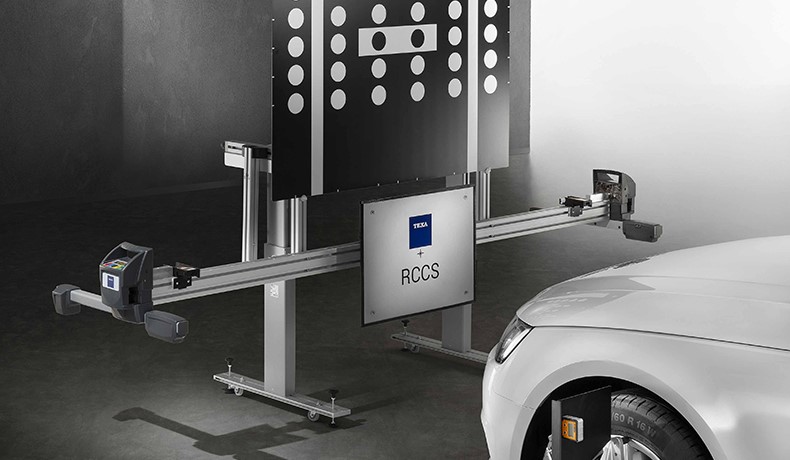
Modern vehicles rely on intelligent safety systems that support drivers during daily travel. These systems depend on cameras, sensors, and radar units working with precise measurements. A collision can affect their position even if the damage appears minor. Advanced adas calibration restores proper sensor alignment, helping safety features operate as designed and reducing the chance of incorrect warnings or delayed responses on the road.
ADAS and Its Role in Vehicle Safety
Advanced Driver Assistance Systems, commonly called ADAS, include features such as automatic emergency braking, lane departure warning, adaptive cruise control, blind spot monitoring, and traffic sign recognition. Every function depends on accurate information collected through sensors placed around the vehicle. Small changes in sensor position can reduce system accuracy. Proper calibration confirms these components communicate correctly with the vehicle’s computer, allowing safety features to perform according to manufacturer specifications during normal driving conditions.
Why Collision Repairs Can Affect Sensor Accuracy
Collision repairs often involve replacing bumpers, windshields, mirrors, suspension parts, or structural components. Even careful repairs can slightly change the location or angle of cameras and radar units. Small differences measured in millimeters may create inaccurate readings that affect braking assistance or lane guidance. Repair work alone does not automatically return sensors to factory alignment. Calibration checks confirm every safety component has the correct position and provides reliable information to the vehicle’s control systems.
How ADAS Calibration Is Performed
Professional calibration follows manufacturer procedures using specialized equipment and controlled workshop conditions. Technicians inspect repaired areas, verify wheel alignment, check tire pressure, and scan the vehicle for diagnostic codes before beginning the calibration process. Static calibration uses fixed targets inside the workshop, whereas dynamic calibration requires driving the vehicle under specific conditions. Completing every required step helps confirm the safety systems recognize surroundings accurately and deliver dependable assistance during everyday driving.
Signs Your Vehicle May Need Calibration
Several situations suggest calibration should be completed even without major accident damage. Drivers should pay attention to warning messages, unusual system behavior, or recent repairs involving sensor locations. Common examples include:
- Windshield replacement affecting forward-facing cameras.
- Front or rear bumper repairs near radar sensors.
- Suspension or wheel alignment adjustments.
- Steering repairs that influence vehicle tracking.
- Dashboard warnings related to driver assistance features.
Ignoring these signs may reduce the effectiveness of important safety technologies.
Risks of Skipping ADAS Calibration
Driving with uncalibrated sensors may create incorrect distance measurements, delayed braking responses, inaccurate lane detection, or false collision warnings. Drivers may assume safety features are working normally without realizing system accuracy has changed. Insurance claims and repair quality may also become concerns if calibration is omitted where manufacturers recommend it. Completing calibration protects the repair investment and helps maintain confidence that driver assistance technologies respond correctly during unexpected situations on the road.
Step-by-Step Process to Confirm Proper Calibration
Vehicle owners can help ensure accurate results by following a simple process throughout the repair experience.
- Choose a repair facility with certified ADAS calibration equipment.
- Request confirmation that manufacturer procedures will be followed.
- Ask whether static, dynamic, or both calibration methods are required.
- Review the final calibration report before accepting the vehicle.
- Test driver assistance features carefully in safe driving conditions.
- Keep repair and calibration records for future maintenance or insurance needs.
Choosing a Qualified Collision Repair Facility
Repair quality depends on both skilled technicians and proper calibration equipment. Reputable repair facilities invest in updated diagnostic tools, manufacturer repair information, and technician training. Clear documentation showing calibration results provides valuable proof that required procedures were completed correctly. Vehicle owners should ask questions about the shop’s calibration process rather than assuming it is included automatically. Selecting an experienced repair center helps protect vehicle performance, safety features, and long-term reliability following collision repairs.
Conclusion
ADAS technology supports safer driving only when every sensor and camera is correctly aligned. Collision repairs, windshield replacement, suspension work, and other common services can change sensor positioning enough to affect system performance. Professional calibration restores the accuracy these systems require and helps maintain reliable operation. Taking the extra step to verify calibration protects both drivers and passengers, supports repair quality, and helps modern safety features perform as manufacturers intended throughout the vehicle’s service life.