Choosing the right submersible water pumps isn’t just about picking something that fits your budget. It’s about finding reliable equipment that’ll keep your water flowing for years to come. Whether you’re drawing water from a deep well, managing a rainwater tank, or running an agricultural operation, the pump you select can make or break your water supply system.
In this guide, we’ll walk you through everything you need to know about durable submersible water pumps. You’ll learn how they work, which type suits your specific situation, and what features separate a quality pump from a dud. Plus, we’ll cover installation tips, maintenance essentials, and cost considerations to help you make a smart investment. Let’s get stuck into it.
What Is a Submersible Water Pumps and How Does It Work?
The Basic Mechanics Behind Submersible Water Pumps
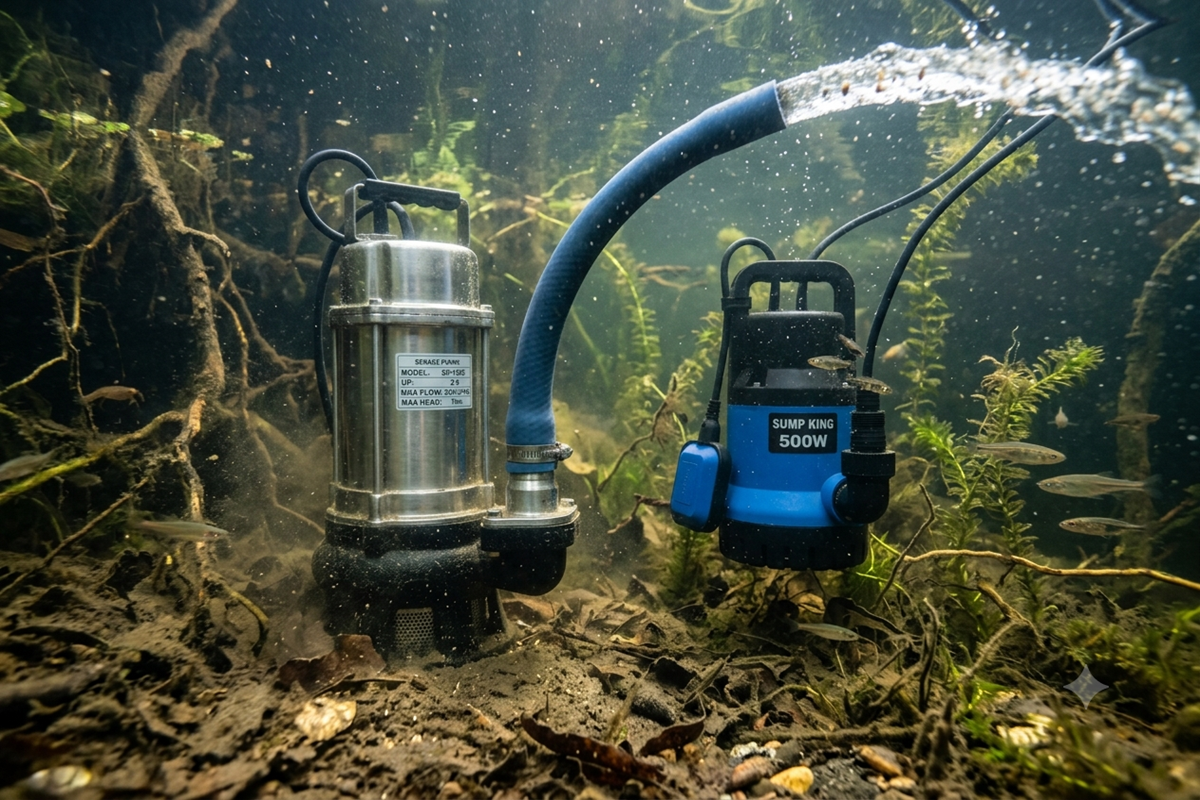
A submersible water pump does exactly what the name suggests it operates while completely submerged underwater. Unlike surface pumps that sit above ground and suck water up, submersible water pumps push water to the surface from below. This design makes them incredibly efficient, particularly for deep water sources.
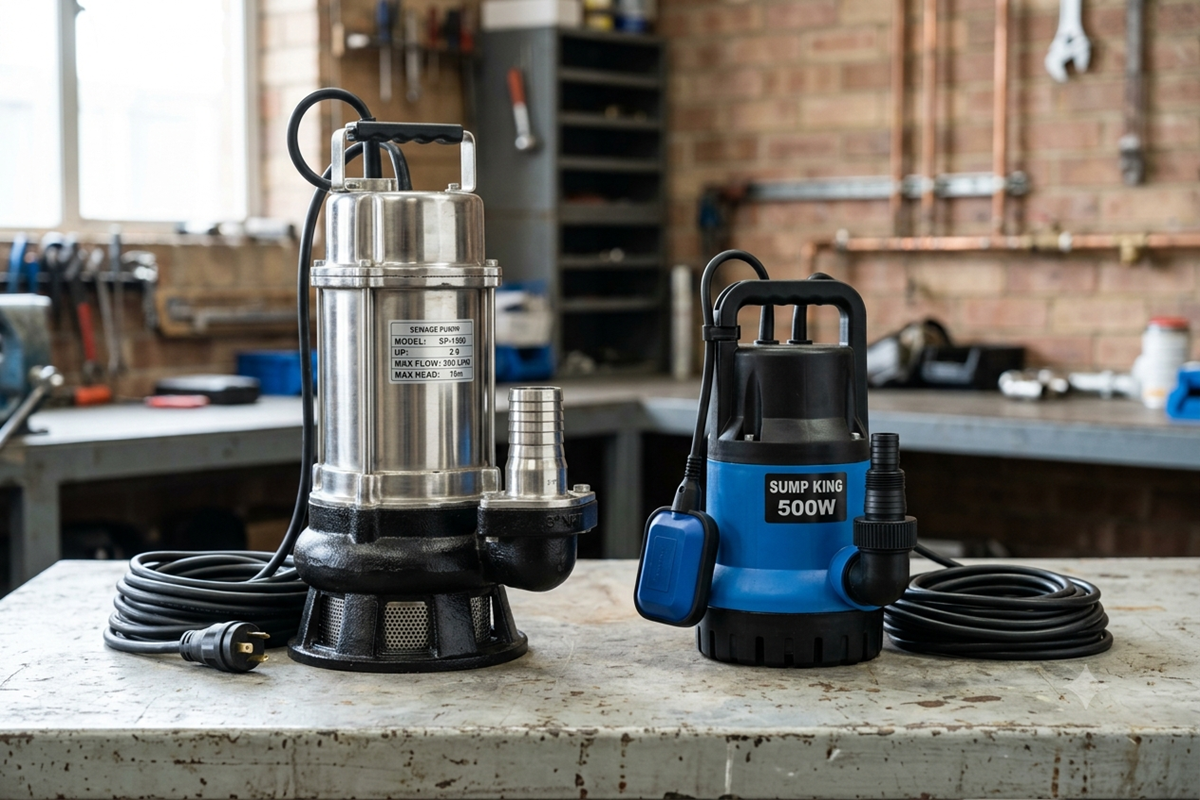
The pump motor is hermetically sealed inside a waterproof casing, protecting it from the water it’s surrounded by. When activated, the motor spins impellers that force water upward through the discharge pipe. Because the pump pushes rather than pulls, it can move water from much greater depths without losing pressure.
Submersible vs Surface Pumps: Which One Do You Actually Need?
Surface pumps work well for shallow wells under 8 metres deep. They’re generally cheaper upfront and easier to access for maintenance. However, they struggle with deeper water sources and can be noisy during operation.
Submersible water pumps, on the other hand, excel in deep wells and bores. They’re virtually silent since they operate underwater, and they’re far more energy-efficient for lifting water from significant depths. If your water source is deeper than 8 metres, a submersible water pumps is really your only practical option.
Types of Submersible Water Pumps for Different Applications
Deep Well Submersible Water Pumps
These workhorses are designed specifically for extracting water from deep underground sources. They typically feature multiple impeller stages to generate enough pressure to push water up from depths of 100 metres or more. Quality deep well pumps use stainless steel construction to resist corrosion and handle the demanding conditions found deep underground.
Water Tank and Rainwater Tank Pumps
Rainwater tank pumps are usually smaller and designed for lower heads. They’re perfect for pressurising your household water supply from a storage tank. Many models include automatic pressure switches that turn the pump on when you open a tap and off when you close it.
Bore Pumps for Rural and Agricultural Properties
Bore pumps need to handle high volumes for irrigation, stock watering, and domestic supply. They’re built tough to cope with sandy or sediment-laden water common in Australian bores. Look for models with sand-resistant seals and wear rings.
Solar Submersible Water Pumps: A Sustainable Alternative
For off-grid properties, solar submersible Water pumps offer an excellent solution. They run directly from solar panels without needing batteries or mains power. While the upfront cost is higher, you’ll save significantly on running costs over the pump’s lifetime.
How to Choose the Best Submersible Water Pumps for Your Needs
Understanding Flow Rate and Head Pressure Requirements
Flow rate tells you how much water the pump can deliver, typically measured in litres per minute. Head pressure indicates how high the pump can push water vertically. You’ll need to calculate both based on your well depth and water usage requirements.
What Size Submersible Pump Do I Need for My Well?
Getting the sizing right is crucial. An undersized pump won’t deliver enough water, while an oversized pump wastes energy and can cycle too frequently, reducing its lifespan. Consider your peak water demand, well depth, and the distance water needs to travel horizontally.
Single Phase vs Three Phase Pumps
Single phase pumps run on standard 240V household power and suit most domestic applications. Three phase pumps require 415V power but offer better efficiency and longer life for high-demand situations. If you’re pumping large volumes regularly, three phase is worth considering.
Stainless Steel vs Cast Iron: Which Material Lasts Longer?
Stainless steel resists corrosion far better than cast iron, especially in aggressive water conditions. While stainless steel pumps cost more initially, they typically outlast cast iron alternatives by several years, making them more economical long-term.
How Deep Can a Submersible Water Pumps Go?
Depth Ratings Explained
Different pumps have different depth capabilities. Domestic models might handle 50-80 metres, while heavy-duty commercial pumps can operate at depths exceeding 300 metres. Always check the manufacturer’s specifications and choose a pump rated for at least 20% more than your actual well depth.
Matching Pump Capacity to Your Bore or Well Depth
Your bore’s yield matters as much as its depth. There’s no point installing a high-capacity pump if your bore can only recharge slowly. A pump professional can help you match pump capacity to your bore’s sustainable yield.
How Long Do Submersible Well Pumps Last?
Factors That Affect Pump Lifespan
A quality submersible water pumps should last 8-15 years with proper care. However, several factors influence longevity:
- Water quality (sediment and minerals accelerate wear)
- Operating frequency and duty cycle
- Correct sizing and installation
- Regular maintenance
Signs Your Submersible Water Pumps Needs Replacing
Watch for reduced water pressure, strange noises, frequent cycling, or dirty water. Higher electricity bills can also indicate a struggling pump working harder than it should.
Can a Submersible Water Pump Run Continuously?
Duty Cycles and Operational Limits
Most domestic submersible Water pumps aren’t designed for continuous operation. They’re built for intermittent use with rest periods between cycles. Check your pump’s duty cycle rating many residential models have a 30-minute maximum continuous run time.
Protecting Your Pump from Burnout
Installing a pressure tank reduces cycling frequency, extending pump life significantly. Thermal overload protection automatically shuts the pump down if it overheats, preventing costly damage.
Installation and Maintenance Essentials
DIY vs Professional Installation
While some handy property owners tackle submersible water pumps installation themselves, professional fitting is usually worth the investment. Incorrect installation can void warranties and dramatically shorten pump life. A professional will also make sure your pump is properly sized and positioned.
Maintenance Tips to Maximise Pump Durability
Regular maintenance keeps your pump running efficiently:
- Check pressure settings annually
- Inspect electrical connections for corrosion
- Monitor water quality for changes
- Listen for unusual sounds during operation
- Have a professional service every 2-3 years
Top Features to Look for in a Durable Submersible Water Pumps
Quality submersible water pumps include protective features that significantly extend their lifespan. Thermal overload protection prevents motor damage from overheating. Dry run protection shuts the pump down if water levels drop too low. Corrosion-resistant construction using stainless steel or engineered polymers handles aggressive water conditions.
For Australian conditions specifically, look for pumps designed to handle hard water and high sediment levels. Models suited to remote and off-grid properties often include built-in check valves and sand guards.
Conclusion
Selecting the right submersible water pumps for your deep well or water tank isn’t a decision to rush. We’ve covered the key differences between pump types, how to size your pump correctly, and what features matter most for durability. Understanding these factors puts you in a strong position to make a smart choice.
The bottom line? Investing in a quality submersible water pumps pays dividends over time. A well-chosen, properly installed pump from a reputable manufacturer will deliver reliable water supply for a decade or more. Cutting corners on pump quality often leads to frustration, unexpected replacement costs, and interrupted water supply when you least expect it.