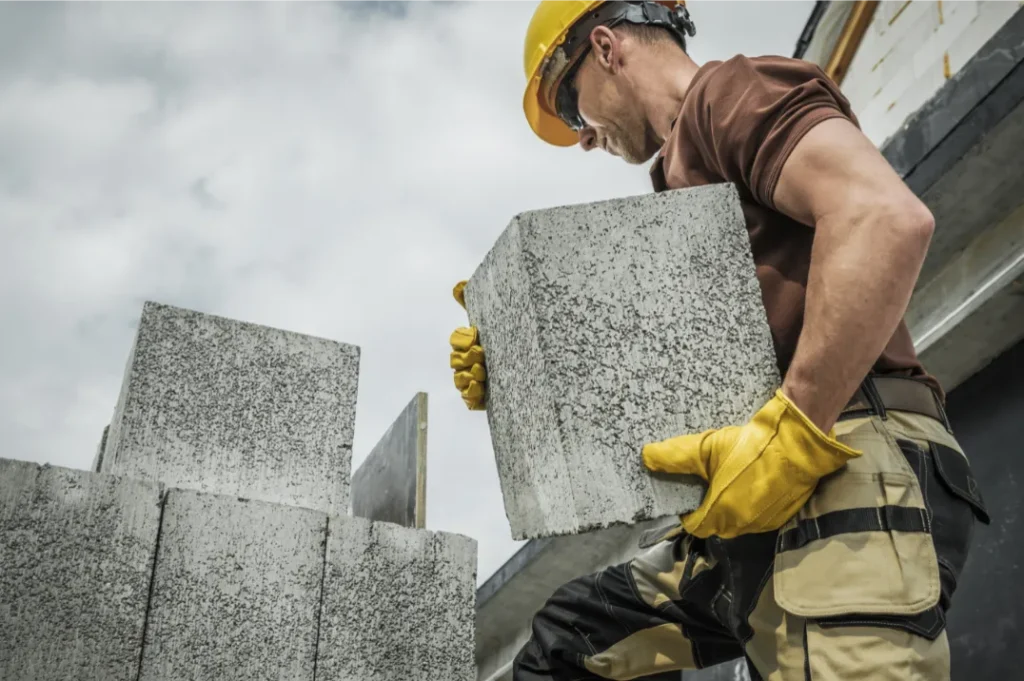
Building a safe and durable home starts with choosing the right wall system. Concrete block walls have remained a popular option because they provide strength, stability, and long-term value. Many homeowners prefer this construction method for its ability to handle heavy loads and resist various environmental conditions. Contractors offering Professional concrete block work in galloway, nj often recommend block walls for residential projects due to their reliability and lasting performance.
The Strength of Concrete Block Walls
Concrete block walls are known for their impressive structural capacity. Each block is manufactured to meet specific strength standards, allowing the wall to support significant vertical and horizontal loads. Properly installed block walls can withstand pressure from roofing systems, upper floors, and external forces. Their solid construction helps reduce movement within the structure and creates a stable foundation for the entire building. Strength levels vary depending on block type, reinforcement methods, and construction quality, making professional installation an important factor in overall performance.
Factors That Influence Wall Durability
Several elements contribute to the long-term durability of a concrete block wall. Material quality plays a major role, as high-grade blocks offer better resistance to wear and environmental stress. Mortar strength also affects the wall’s ability to remain stable over time. Reinforcing steel bars and concrete-filled cores can significantly increase load-bearing capacity. Climate conditions, drainage systems, and proper maintenance further impact durability. A well-built wall designed according to local building codes can remain structurally sound for decades with minimal repair requirements.
Why Homeowners Choose Concrete Block Construction
Many homeowners select concrete block walls because they provide a combination of strength, safety, and cost efficiency. The dense structure helps reduce outside noise and creates a more comfortable indoor environment. Fire resistance is another important benefit, as concrete materials do not burn like wood framing. Block walls can also resist damage from insects and moisture-related problems more effectively than some alternative materials. These advantages make concrete block construction a practical choice for families seeking a dependable and long-lasting home structure.
Load-Bearing Capacity in Residential Buildings
Load-bearing capacity refers to the amount of weight a wall can safely support without failure. Concrete block walls are designed to carry substantial structural loads, making them suitable for single-story and multi-story homes. Engineers calculate wall thickness, reinforcement placement, and block specifications based on project requirements. Proper reinforcement increases resistance to compression and lateral forces. Strong load-bearing performance helps distribute weight evenly throughout the structure, reducing stress on individual components and contributing to a safer and more stable residential building.
Weather Resistance and Long-Term Performance
Concrete block walls perform well in a variety of weather conditions. Their solid composition helps resist wind pressure, heavy rain, and temperature fluctuations. Reinforced block walls can offer additional protection in regions prone to storms or strong winds. Moisture control systems, including proper sealing and drainage, further improve long-term performance. Consistent maintenance helps preserve structural integrity and appearance over time. Strong resistance to environmental factors allows homeowners to enjoy a durable wall system that requires fewer repairs than many traditional construction materials.
Steps to Build a Strong Concrete Block Wall
A strong concrete block wall depends on careful planning and proper construction practices:
- Prepare a stable and properly compacted foundation.
- Use high-quality concrete blocks and mortar materials.
- Follow accurate layout measurements before installation.
- Place blocks evenly and maintain consistent mortar joints.
- Install reinforcing steel bars where required.
- Fill reinforced cores with concrete for added strength.
- Check alignment regularly during construction.
- Complete curing and finishing procedures according to project specifications.
Following these steps helps create a wall capable of delivering reliable structural support for many years.
Cost Versus Long-Term Value
Initial construction costs for concrete block walls may be higher than some framing options, but the long-term value often outweighs the difference. Reduced maintenance needs, longer service life, and strong resistance to damage contribute to lower ownership costs over time. Energy efficiency benefits can also help decrease heating and cooling expenses. Strong structural performance may reduce repair costs associated with weather-related damage. Property owners frequently view concrete block construction as a worthwhile investment because it combines durability, safety, and dependable performance throughout the life of the home.
Conclusion
Concrete block walls offer exceptional strength for residential construction and remain one of the most dependable building solutions available. Their ability to support heavy loads, resist environmental stress, and provide long-term durability makes them an excellent choice for homeowners. Proper materials, reinforcement, and skilled installation play important roles in achieving maximum performance. A well-constructed concrete block wall can provide decades of reliable service, making it a practical option for anyone planning a safe, stable, and durable home.