Commercial washrooms have evolved significantly over the past few years. Businesses no longer view washroom spaces as basic utility areas. They are now considered an important part of the overall user experience, workplace hygiene standards, and facility management strategy.
One of the biggest changes driving this transformation is the adoption of modern toilet cubicles. From corporate offices and shopping malls to hospitals and educational institutions, organizations are investing in high-quality cubicle systems that offer privacy, durability, easy maintenance, and contemporary aesthetics.
In 2026, washroom design is focused on efficiency, sustainability, and user comfort. Traditional brick-and-mortar partitions are increasingly being replaced with modular toilet cubicle systems that provide better functionality while reducing installation time and maintenance costs.
Modern toilet cubicles are available in a variety of materials, finishes, and configurations, allowing architects, builders, and facility managers to create washroom spaces that align with both practical requirements and brand image. As commercial buildings continue to prioritize hygiene and user satisfaction, toilet cubicles have become a key element of modern washroom infrastructure.
Why Toilet Cubicles Matter in Modern Commercial Spaces
Improved Privacy for Users
Privacy remains one of the most important factors in washroom design. Modern toilet cubicles provide enclosed spaces that help users feel comfortable and secure. Better privacy contributes directly to a positive user experience, especially in high-traffic commercial environments.
Enhanced Hygiene Standards
Hygiene expectations have increased significantly across industries. Modern cubicle systems are designed with moisture-resistant and easy-to-clean surfaces that reduce bacterial growth and simplify maintenance procedures.
Efficient Space Utilization
Commercial buildings often need to accommodate a large number of users within a limited space. Toilet cubicles allow efficient layout planning, helping businesses maximize available washroom areas without compromising comfort.
Faster Installation
Compared to traditional masonry partitions, modular toilet cubicle systems can be installed quickly. This reduces project timelines and minimizes disruption during construction or renovation.
Long-Term Cost Savings
Quality toilet cubicles require less maintenance and have a longer lifespan. Businesses benefit from reduced repair costs and improved operational efficiency over time.
Key Features and Advantages of Modern Toilet Cubicles
Durable Construction
Modern toilet cubicles are engineered to withstand heavy daily usage. They are designed for commercial environments where durability is essential.
Water and Moisture Resistance
Many cubicle materials are resistant to water, humidity, and cleaning chemicals. This makes them ideal for washroom environments where moisture exposure is constant.
Attractive Design Options
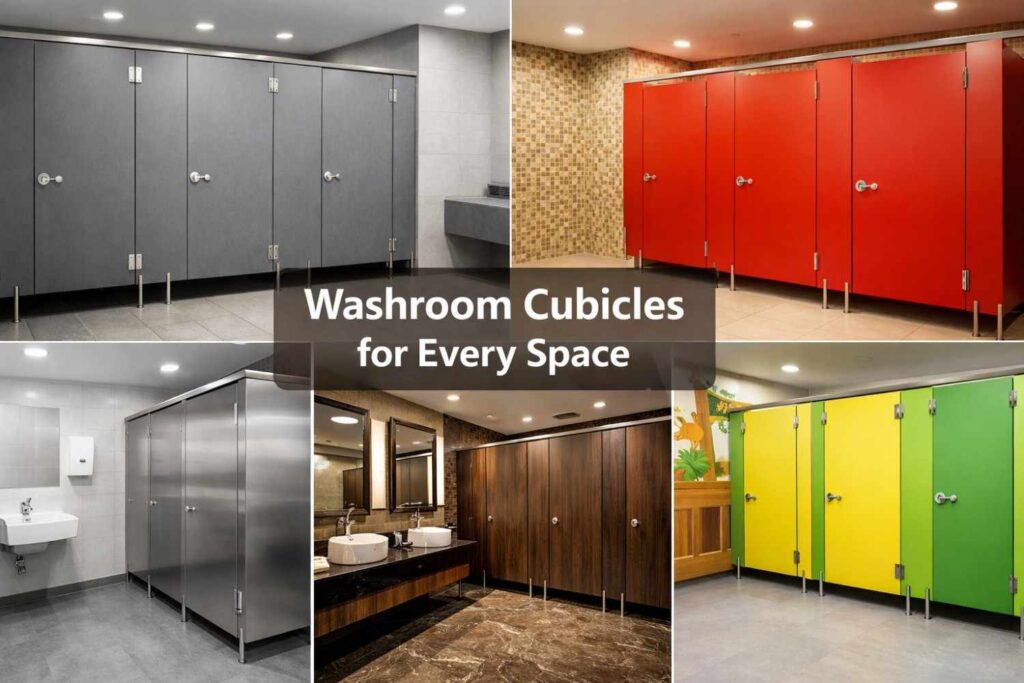
Today’s toilet cubicles are available in various colors, textures, and finishes. Designers can match washroom interiors with the overall architectural theme of the building.
Easy Maintenance
Smooth, non-porous surfaces make cleaning easier and more effective. Facility managers can maintain high cleanliness standards with less effort.
Custom Configurations
Cubicles can be customized according to available space, user requirements, and accessibility standards. This flexibility makes them suitable for different commercial applications.
Sustainability Benefits
Many manufacturers now offer eco-friendly materials and production methods that support green building initiatives and sustainable construction practices.
Applications and Use Cases of Toilet Cubicles
Offices and Corporate Buildings
Modern workplaces prioritize employee comfort and workplace hygiene. Toilet cubicles help create professional and well-maintained washroom facilities that reflect positively on the organization.
Schools and Educational Institutions
Schools require durable washroom solutions capable of handling frequent use. Toilet cubicles offer long-lasting performance while maintaining safety and hygiene standards.
Hospitals and Healthcare Facilities
Healthcare environments demand strict cleanliness standards. Moisture-resistant and easy-to-sanitize cubicle systems support infection control measures and patient comfort.
Shopping Malls and Retail Centers
Large numbers of visitors use washroom facilities in malls every day. High-quality cubicles provide durability, privacy, and an attractive appearance that enhances customer experience.
Hotels and Hospitality Properties
Guest satisfaction depends on every aspect of a facility, including washrooms. Premium toilet cubicles help create clean, modern, and visually appealing restroom environments.
Airports and Transportation Hubs
High-traffic public facilities require reliable washroom infrastructure. Toilet cubicles offer durability and efficient maintenance, making them ideal for transportation environments.
Commercial Complexes and Business Parks
Business parks often serve thousands of employees and visitors daily. Modular cubicle systems provide practical and scalable washroom solutions for these facilities.
Materials, Quality Standards, and Design Options
HPL Toilet Cubicles
High-pressure laminate (HPL) is among the most popular materials used for commercial toilet cubicles. It offers excellent durability, moisture resistance, and design flexibility.
Benefits include:
- Scratch resistance
- Water resistance
- Long lifespan
- Easy cleaning
- Wide range of finishes
Compact Laminate Cubicles
Compact laminate panels are highly durable and suitable for heavy-use environments. They perform exceptionally well in humid conditions and demanding commercial settings.
Powder-Coated Hardware
High-quality cubicle systems use corrosion-resistant hardware, including hinges, locks, brackets, and support legs designed for long-term performance.
Compliance with Safety Standards
Reputable manufacturers ensure their products comply with relevant quality and safety standards, including:
- Fire resistance requirements
- Accessibility guidelines
- Hygiene standards
- Commercial building regulations
Design Trends in 2026
Popular washroom design trends include:
- Minimalist aesthetics
- Neutral color palettes
- Wood-grain finishes
- Matte textures
- Touch-free accessories
- Sustainable materials
- Premium hardware finishes
Factors to Consider Before Choosing a Supplier or Manufacturer
Product Quality
Evaluate material specifications, thickness, durability, and moisture resistance before making a decision.
Industry Experience
Experienced manufacturers understand commercial project requirements and can recommend suitable solutions based on usage levels and environmental conditions.
Customization Capabilities
Every project has unique requirements. Choose a supplier capable of providing customized layouts, sizes, and finishes.
Installation Support
Professional installation ensures optimal performance and longevity. Verify whether installation services are included.
After-Sales Service
Reliable after-sales support is essential for maintenance, replacement parts, and future upgrades.
Project Portfolio
Review completed projects to assess product quality, design capabilities, and industry expertise.
Warranty Coverage
A strong warranty demonstrates confidence in product quality and provides long-term peace of mind.
Common Mistakes Buyers Should Avoid
Choosing Based Only on Price
Low-cost solutions often result in higher maintenance expenses and shorter product life cycles. Focus on long-term value rather than initial cost alone.
Ignoring Material Specifications
Not all cubicle materials perform equally. Selecting inappropriate materials can lead to premature damage and increased maintenance.
Overlooking Future Maintenance
Easy-to-maintain systems reduce operational costs. Buyers should consider cleaning requirements and replacement availability before purchasing.
Selecting Inexperienced Suppliers
An inexperienced supplier may struggle with project planning, customization, and installation quality.
Neglecting User Experience
Washroom design should prioritize privacy, accessibility, and comfort. Ignoring these factors can negatively impact user satisfaction.
Failing to Plan for Accessibility
Commercial facilities should accommodate all users, including individuals with mobility challenges. Accessibility compliance should be considered during the planning phase.
Why Businesses Prefer Modern Toilet Cubicle Solutions
Businesses are increasingly replacing traditional washroom partitions with modern toilet cubicles because they offer measurable operational and aesthetic benefits.
Modern cubicles improve facility appearance, simplify maintenance, enhance hygiene standards, and provide greater flexibility in design. They also align with contemporary architectural trends that emphasize efficiency and user-centered design.
Facility managers appreciate the reduced maintenance requirements, while architects value the wide range of customization options. Building owners benefit from longer product lifespans and improved return on investment.
As commercial buildings continue to evolve in 2026, toilet cubicles have become a practical solution that balances functionality, durability, and visual appeal.
Frequently Asked Questions
What is the best material for commercial toilet cubicles?
High-pressure laminate (HPL) and compact laminate are widely considered the best materials due to their durability, water resistance, and low maintenance requirements.
How long do toilet cubicles typically last?
High-quality toilet cubicles can last 10–20 years or more, depending on material quality, usage levels, and maintenance practices.
Are modern toilet cubicles suitable for high-traffic locations?
Yes. Modern cubicle systems are specifically designed for commercial environments such as malls, airports, hospitals, offices, and educational institutions where daily usage is high.
Conclusion
The role of toilet cubicles in commercial washroom design continues to expand as businesses place greater emphasis on hygiene, durability, sustainability, and user experience. Modern cubicle systems offer clear advantages over traditional partitions by providing better privacy, faster installation, easier maintenance, and greater design flexibility.
Whether for offices, hospitals, schools, hotels, shopping malls, or commercial complexes, investing in quality toilet cubicles helps create cleaner, more efficient, and visually appealing washroom environments. As commercial buildings adapt to evolving user expectations in 2026, modern toilet cubicle solutions remain one of the smartest investments for long-term performance and customer satisfaction.