A few years ago, most people looked at tiny homes as a novelty. Something you’d see on television or parked at a campground for a weekend getaway. That has changed fast. Rising housing costs, limited land availability, and a growing desire for simpler living have pushed many buyers to look at alternatives to traditional homes. One option that keeps showing up in conversations is the tiny home kit.
The appeal is pretty easy to understand. People want a home they can actually afford. They want less debt. Less maintenance. Less wasted space. A Tiny home kit offers a way to build a smaller house without going through the lengthy and often expensive process of custom construction. Instead of starting from scratch, buyers receive pre-designed materials and plans that simplify much of the building process.
What makes these kits attractive isn’t just the price. It’s flexibility. Some homeowners want a backyard guest house. Others need a retirement home. Some are building a vacation property while a growing number are choosing tiny living as their primary lifestyle. The reasons vary, but the common theme remains the same. People are searching for practical housing solutions that don’t force them into a thirty-year mortgage and years of financial stress. the tiny home movement isn’t slowing down either. communities are becoming more accepting of smaller dwellings, and local regulations in many areas have started adapting. while there are still zoning challenges in certain regions, buyers today have more opportunities than ever before to make a tiny home work. that’s one reason these kits continue gaining attention from first-time homeowners, retirees, investors, and families looking for additional living space.
How a Tiny Home Kit Actually Works?
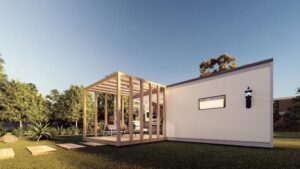
Most folks picture a huge container showing up full of pieces when they think tiny home kit. Truth is, that idea isn’t totally wrong – just not quite right either. building a house often starts with a kit. These sets usually come with pieces like walls, frames, roofs, windows, and doors. Alongside comes step by step directions. One brand might offer just the bones of a home. Another could pack in almost every part you’d need. What’s inside changes based on who makes it – and which version you pick. not all boxes are built alike.
Picking a layout kicks things off most of the time. Different designs sit ready, shaped to make tight spaces work better. With the blueprint locked in, supplies get gathered and sent out to where the house will go up. Work follows – sometimes handled by trained builders, sometimes stepped into by owners willing to try their hand at parts of it. most folks forget – the package skips some duties, sure. Still, getting the land ready counts. Power and water links demand thought ahead of time. Officials might require sign-offs on paperwork. True, assembly gets easier with prefabs. Yet hammering nails, laying floors, those steps stick around either way. knowing this helps when deciding to buy. even so, this method usually feels simpler than old-school custom construction. guessing drops way down. Design choices shrink in number, schedules move quicker. that simplicity? a big win for plenty of shoppers.
Why Affordability Is Driving Demand?
Fair to say, home costs are tough for plenty to make sense of these days. In certain areas, even basic houses list at numbers that seem totally out of step with what most earn, smaller spaces cut down on materials needed, just by being compact. Fewer supplies go into building them, thanks to reduced area. Savings show up early in the process. Over months and years, bills for power and upkeep run lower too – less room takes less energy to manage.
Most people think cheap means just low cost at first. Yet, tiny house owners often pay smaller amounts for upkeep, fixes, chairs and tables, plus yearly land fees. Year by year, these cuts grow larger. Fixed income retirees find relief here. So do young buyers aiming to dodge big loans. Over time, money stays in pocket instead of draining out.
True, low price isn’t the same as poor quality. A few think small houses barely cost anything. Hardly ever the case. Solid building supplies, expert setup, connections for power and water, legal approvals, plus where you place it – all add up fast. Yet alongside regular house prices, most see the total comes off far less heavy.
Freedom with money shapes how lives unfold. With lighter bills each month, options open wider. Travel becomes possible. Savings grow easier. Investments feel within reach. Even peace of mind improves when rent or mortgage stress fades. This shift drives steady growth in demand across the sector.
Design Flexibility and Modern Living?
Surprisingly roomy, some small houses defy the myth of tight spaces. Far from stuffy, they often surprise first-time visitors. most tiny house kits these days pack a punch with clever space tricks, starting with wide-open rooms, they rise up using high ceilings that draw eyes upward. Big glass panels let light flood in, shifting how small feels. Sleeping nests tucked above add privacy without walls. furniture folds, lifts, or hides away – each piece doing more than one job. Design choices make the difference; builders now shape each inch like it’s precious. Size doesn’t matter as much when layout does heavy lifting.
Most folks underestimate just how much say buyers actually get. Though the blueprints begin identical, plenty of builders tweak them however you like. Need a dedicated workspace? That’s common. Bigger cooking area, extra cupboards, or rooms set up for easier movement later on – all possible. What matters most shifts from one person to the next.
Tiny houses fit many ways of living because they bend easily to different needs. Work from anywhere? A corner desk tucked inside can be enough. Later years bring fewer chores when walls are close and rooms small. Starting out together, some pairs move in faster than waiting lists allow. Others collect rent by parking one in a backyard or near tourist spots. what makes them stick around? A wider mix now calls these spaces home. Not long ago, only certain folks showed interest. Today, lives at every phase find room inside. Growth in numbers tells part of the story.
Important Challenges Buyers Should Understand
Small houses seem like a good idea. Often, that’s true. Yet skipping over problems won’t fix them – flaws still exist. Stillness hides nothing. rules about where you can place small homes often cause trouble. Certain towns welcome compact living spaces, yet many stick to old rules on size limits or zoning types. Look into your area’s laws before buying a mini house package. Skipping that could lead to costly headaches down the road.
Space runs short, that much is clear. Choosing what to keep becomes part of daily thought when square footage shrinks. Those used to ample storage – basements, big closets, full garages – often feel the squeeze at first. Comfort grows slowly, only after letting go of old routines. A different rhythm takes hold once simplicity feels less like loss, more like choice.
Now here’s a twist – paying for it isn’t always smooth. Some loan providers just aren’t familiar with small dwellings, especially when they fall outside standard housing categories. Lately though, more ways to secure funds have popped up. still, anyone considering one ought to look into lending paths well before anything else. when it rains or snows, things change. Smaller buildings feel every shift, so walls need tight seals while airflow keeps spaces stable. Since details show faster on compact builds, skilled workers pick long-lasting parts that fit how wet or dry the place gets. mistakes stick out more when there’s less room to hide them. what matters most? not running from small houses just because problems pop up. Each place people live brings its own mix of give and take. Figuring out that balance happens first, only then should someone decide.
Sustainability Benefits That Appeal to Modern Buyers
These days, people think about nature when choosing where to live – more than they did ten years back. Tiny houses keep getting noticed because of that shift. out of sight, a compact home asks for less right away. Wood piles shrink when square footage drops. Concrete trucks roll by more quietly. Roofs stretch across tighter footprints. Right at the start, the planet feels lighter underfoot. After moving in, things stay that way – energy bills dip without trying hard. Pipes carry fewer gallons each morning.
Some people who own tiny houses go beyond basics, using sunlight for electricity instead of relying only on grids. Rain gets caught in tanks rather than being wasted off rooftops. Efficient machines use less power, which matters when space is tight. Materials chosen during construction tend to harm nature less compared to typical options. Smaller size means green upgrades cost less overall, making them easier to fit into tighter budgets.
Something oddly freeing comes with using less stuff altogether. Living small pushes folks toward valuing moments instead of things piling up in corners. Not every person wants that kind of life, yet a surprising number say they feel lighter without constant upkeep or clutter weighing them down. perfection? Not the point. Every house leaves some mark on nature. Yet folks wanting less waste might find these small house kits fit just right – cozy, practical, built with care. Size shrinks, values stay large.
Choosing the Right Tiny Home Kit for Your Needs
Some kits fall short right away. People find that out fast – usually while comparing what’s actually inside each box. starting small might mean picking simpler models that save money upfront. Moving up could involve intricate layouts built for standout performance. What works ties back to your aims, how much you can spend, where you are, plus what you plan to do with it.
What matters most? How well a layout works every day. Looks mean little when life feels awkward inside four walls. Picking a place means weighing bedrooms against habits that won’t change tomorrow. Cooking often? That space must breathe without clutter. Closets vanish fast unless planned ahead. Desks need room but rarely get it. Life shifts – kids grow, jobs move home – and floors must adapt before cracks show. what something is made of really matters. cheaper sets might skimp on how long they last just to hit a number. Paying a bit extra at first could save money down the road by avoiding fixes or replacements. A small boost now may mean fewer headaches after.
Questions pop up when you build a house. Help from makers makes those moments easier. Some companies stand out by walking beside buyers step by step. When problems show during building, quick fixes come from attentive teams. Word spreads through past clients who share real experiences. Reviews often tell what ads never will. A pattern of solid replies hints at trustworthiness beneath the surface.

The Future of Tiny Home Living
Surprisingly fast, views have shifted lately. Once seen as odd, tiny homes now fit right into everyday life, nowhere is the shift more clear than in housing choices. Still, cost worries shape decisions across regions. Because of remote jobs, people pick places once considered too far. On top of that, eco-conscious thinking spreads slowly but steadily. Oversized houses? They’re losing favor – too much upkeep, too steep a price. Alternatives pop up where least expected. zipping ahead, tech gives a hand. Tougher materials today, paired with sharper software for planning houses, help small spaces last longer while using less energy. Some spots across the country now host groups focused on compact lifestyles, offering neighbors who get it. these clusters open doors for people wanting to live simply alongside others who do the same.
Small houses taking over regular homes? Unlikely. Never was the goal anyway. No replacement needed here. Just another choice showing up, something that fits well for plenty folks. Makes solid sense to more than a few. out there, tiny homes keep showing up when people talk about what comes next. Housing might look different down the road – more kinds, more options. These small spaces stick around since bills scare folks and space matters more now. Money weighs heavy on many minds. Moving easier helps too. Life gets lighter without extra rooms to fill. That kind of need isn’t vanishing by tomorrow.
Conclusion
For buyers searching for a practical alternative to conventional housing, a tiny home kit offers a compelling path forward. It combines affordability, efficiency, design flexibility, and the opportunity to create a home that fits modern lifestyles without excessive financial pressure. While there are challenges involving zoning, financing, and space limitations, many homeowners find the benefits outweigh the drawbacks. As housing costs continue rising and lifestyle priorities evolve, more people are turning to these innovative solutions. Working with experienced tiny house builders can make the process smoother, helping ensure your project meets local requirements while delivering a home that truly supports your long-term goals.
FAQs
Is a Tiny home kit cheaper than building a traditional house?
In many cases, yes. A Tiny home kit generally costs less due to its smaller size and reduced material requirements. However, buyers should still account for land, permits, utility connections, and labor expenses.
Can I build a Tiny home kit myself?
Some kits are designed with DIY construction in mind, while others require professional installation. The answer depends on the complexity of the design and your level of building experience.
How long does it take to complete a Tiny home kit?
Timelines vary based on the design, site preparation, weather conditions, and labor availability. Many projects can be completed much faster than traditional custom homes.
Are tiny homes legal everywhere?
No. Regulations differ by city, county, and state. Buyers should always verify local zoning laws and building requirements before purchasing a tiny home kit.