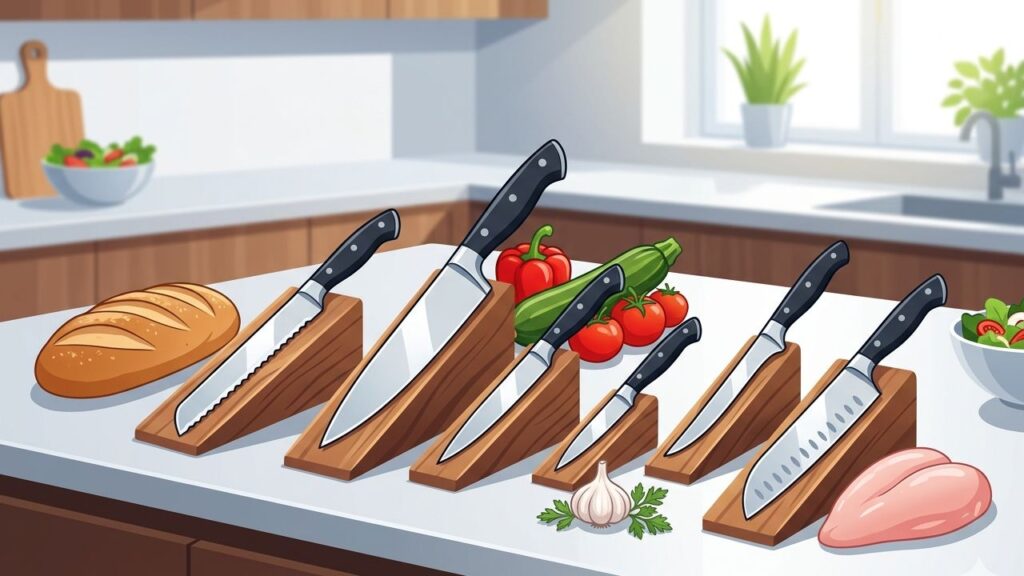
A great knife is one of the most important tools in any kitchen. Whether you are a professional chef working in a busy restaurant or a home cook preparing meals for your family, having the right knife can significantly improve your cooking experience. Professional kitchen knives are designed to deliver precision, durability, and comfort, making food preparation faster and more efficient.
Unlike standard kitchen knives, professional-grade knives are crafted using high-quality materials and advanced manufacturing techniques. They provide superior sharpness, better balance, and longer-lasting performance. Investing in professional kitchen knives can transform the way you cook and help you achieve more consistent results.
In this article, we will explore what professional kitchen knives are, their benefits, key features, different types, maintenance tips, and how to choose the perfect knife for your needs.
What Are Professional Kitchen Knives?
Professional kitchen knives are high-performance cutting tools specifically designed for frequent and demanding use. They are commonly used by chefs, culinary students, and serious home cooks who require precision and reliability.
These knives are typically made from premium stainless steel, high-carbon steel, or Damascus steel. They undergo rigorous manufacturing processes to ensure sharp edges, strong construction, and exceptional durability.
Professional kitchen knives are available in various shapes and sizes, each designed for specific kitchen tasks such as chopping vegetables, slicing meat, filleting fish, and cutting bread.
Benefits of Using Professional Kitchen Knives
Superior Sharpness
One of the biggest advantages of professional kitchen knives is their exceptional sharpness. A sharp blade cuts through ingredients effortlessly, reducing preparation time and improving accuracy.
Sharp knives also help preserve the texture and appearance of ingredients. For example, a clean cut on herbs prevents bruising and maintains freshness.
Enhanced Safety
Many people assume sharp knives are more dangerous than dull ones. In reality, professional kitchen knives are often safer because they require less force during cutting. A dull knife is more likely to slip, increasing the risk of injury.
Professional knives provide better control and precision, helping users make safer and more confident cuts.
Improved Efficiency
Professional kitchen knives make food preparation faster and easier. Whether chopping vegetables, slicing meat, or mincing herbs, these knives perform tasks with minimal effort.
This increased efficiency is especially valuable in professional kitchens where speed and consistency are essential.
Long-Term Durability
High-quality professional kitchen knives are built to last. With proper care and maintenance, a premium knife can remain functional for many years or even decades.
Their durability makes them a cost-effective investment compared to frequently replacing low-quality knives.
Key Features of Professional Kitchen Knives
High-Quality Blade Material
The blade material plays a crucial role in a knife’s performance. Common materials include:
- Stainless Steel: Resistant to rust and corrosion.
- High-Carbon Steel: Offers excellent sharpness and edge retention.
- Damascus Steel: Known for its strength, beauty, and cutting performance.
Each material offers unique advantages depending on the user’s preferences and cooking style.
Ergonomic Handle Design
Professional kitchen knives are designed with comfort in mind. Ergonomic handles provide a secure grip and reduce hand fatigue during extended use.
Popular handle materials include wood, resin, composite materials, and high-grade polymers.
Full Tang Construction
A full tang knife has a blade that extends through the entire handle. This construction improves balance, strength, and durability.
Many professional chefs prefer full tang knives because they provide better control and stability.
Excellent Balance
A well-balanced knife feels comfortable in the hand and allows for smoother cutting motions. Proper balance improves accuracy and reduces strain during repetitive tasks.
Common Types of Professional Kitchen Knives
Chef’s Knife
The chef’s knife is considered the most versatile kitchen knife. It is ideal for chopping, slicing, dicing, and mincing a wide variety of ingredients.
Most chef’s knives range from 8 to 10 inches in length and serve as the primary knife in many kitchens.
Santoku Knife
Originating from Japan, the Santoku knife is designed for slicing, dicing, and chopping. It features a thinner blade and excels at precise cuts.
Many cooks appreciate its lightweight design and exceptional control.
Paring Knife
A paring knife is a small, versatile knife used for peeling fruits, trimming vegetables, and performing detailed cutting tasks.
Its compact size makes it ideal for precision work.
Bread Knife
A bread knife features a serrated blade that easily cuts through crusty bread without crushing the soft interior.
It is also useful for slicing cakes and delicate baked goods.
Utility Knife
The utility knife bridges the gap between a chef’s knife and a paring knife. It is suitable for various everyday cutting tasks and offers excellent versatility.
How to Choose the Right Professional Kitchen Knife
Consider Your Cooking Style
Different cooking habits require different knives. If you frequently prepare vegetables, a Santoku knife may be ideal. If you handle a variety of ingredients, a chef’s knife is often the best choice.
Evaluate Blade Material
Choose a blade material that aligns with your maintenance preferences and performance expectations. High-carbon steel offers excellent sharpness, while stainless steel requires less maintenance.
Check Handle Comfort
Always select a knife that feels comfortable in your hand. A secure grip improves safety and enhances overall performance.
Assess Weight and Balance
Some users prefer heavier knives for powerful cutting, while others favor lightweight options for agility and precision. Testing the knife’s balance can help determine what feels most comfortable.
Caring for Professional Kitchen Knives
Hand Wash Only
Professional kitchen knives should be washed by hand using warm water and mild soap. Avoid placing them in dishwashers, as harsh detergents and heat can damage the blade and handle.
Dry Immediately
Always dry knives thoroughly after washing to prevent moisture-related damage and corrosion.
Use Proper Cutting Surfaces
Wooden and plastic cutting boards are ideal for preserving blade sharpness. Hard surfaces such as glass, stone, or ceramic can dull the edge quickly.
Regular Sharpening
Even the best professional kitchen knives require occasional sharpening. Regular maintenance helps preserve cutting performance and extends the knife’s lifespan.
Safe Storage
Store knives in a knife block, magnetic strip, or protective sheath to prevent accidental damage and maintain blade sharpness.
Why Professional Chefs Invest in Quality Knives
Professional chefs rely on their knives every day. Their tools must withstand constant use while delivering precise and consistent results.
High-quality professional kitchen knives help chefs work more efficiently, maintain accuracy, and reduce fatigue during long hours in the kitchen. The reliability of a premium knife often makes a significant difference in food preparation and presentation.
Find Quality Professional Kitchen Knives Online
If you are looking for premium professional kitchen knives that combine craftsmanship, durability, and performance, consider exploring the collection available at Malee Cut and Co. Their range includes expertly crafted kitchen knives designed for both professional chefs and home cooking enthusiasts. Whether you need a versatile chef’s knife or a specialized cutting tool, you can find high-quality options to suit your needs. For order visit and browse their extensive selection of kitchen knives.
Conclusion
Professional kitchen knives are more than just cutting tools; they are essential investments that improve efficiency, safety, and precision in the kitchen. Their superior sharpness, ergonomic design, and long-lasting durability make them valuable assets for both professional chefs and home cooks.
By understanding the different types of professional kitchen knives, their features, and proper maintenance practices, you can choose the perfect knife for your culinary needs. A quality knife not only enhances your cooking experience but also helps you achieve better results with every meal you prepare. Whether you are just starting your culinary journey or looking to upgrade your kitchen tools, investing in professional kitchen knives is a decision that will pay off for years to come.