Commercial developments have changed significantly. Previously, most projects were planned with a single focus, like office buildings, shopping complexes, or standalone retail markets. Now, many new developments integrate multiple functions into a single space. Offices, restaurants, retail outlets, entertainment zones, and leisure areas are often combined to create locations that remain active throughout the day.
This shift has attracted investors across various property markets. Mixed-use commercial developments are recognised for supporting consistent business activity and adapting to changing consumer habits. As people increasingly value convenience and accessibility, demand for integrated commercial projects is rising in certain areas.
Diversified Business Segments Reduce Risk
Investors often prefer mixed-use developments because they are not reliant on a single business category. Projects that include offices, retail stores, cafes, and entertainment spaces attract diverse visitors throughout the day.
Office employees drive weekday activity, while restaurants and entertainment zones attract visitors in the evenings and on weekends. This results in a balanced flow of people and business activity. For investors, this often means reduced dependence on a single tenant or business sector.
Rental demand is typically more stable in projects where different commercial segments support each other. If one category experiences a slowdown, other sections can maintain occupancy and footfall.
Convenience Drives Consumer Preferences
Consumer preferences in urban areas have shifted. People now seek spaces where shopping, dining, work, and leisure are within walking distance. Mixed-use developments meet this demand by reducing travel time and increasing convenience.
Businesses also benefit from this arrangement. Retail outlets near offices and restaurants often attract regular customer traffic, while entertainment zones and cafes help extend visitor activity beyond working hours, supporting the commercial environment within the development.
This steady flow of visitors makes integrated commercial spaces increasingly attractive to both tenants and investors.
Urban Growth Supports Integrated Developments
Urban expansion has contributed to the popularity of mixed-use projects. Many are located in areas with growing residential populations, improving infrastructure, and enhanced connectivity. Investors favour locations where future population growth can sustain long-term commercial demand.
Investor sentiment and reviews regarding well-established projects play a significant role in shaping confidence in investment decisions. For instance, Migsun group reviews often provide insights into the project track record and planning quality factors that many investors consider when evaluating integrated commercial opportunities.
Proximity to residential communities is another advantage. Commercial projects near large housing clusters often see higher daily footfall, as people prefer nearby shopping and service options.
Flexible Planning Enables Long-Term Viability
Flexibility is another key advantage of mixed-use developments. As business trends change, adaptable commercial spaces tend to perform better over time. Retail formats, office requirements, and entertainment preferences all change regularly.
Integrated developments are designed to enable businesses to adapt to market demand, helping projects remain commercially active even as consumer patterns shift over time.
Changes in work culture have increased demand for commercial spaces with lifestyle conveniences. Many companies now prefer office locations that offer easy access to cafes, fitness centres, restaurants, and public spaces for employees.
Infrastructure Growth Enhances Commercial Potential
Infrastructure development around commercial projects directly impacts investor interest. Improved roads, metro connectivity, highways, and public transport enhance accessibility and increase visitor movement. Areas with limited commercial activity can become active business zones as infrastructure improves.
Investors prefer such developments, as accessibility influences rental demand and property value growth. Integrated commercial projects near expanding infrastructure corridors are generally considered stronger long-term opportunities.
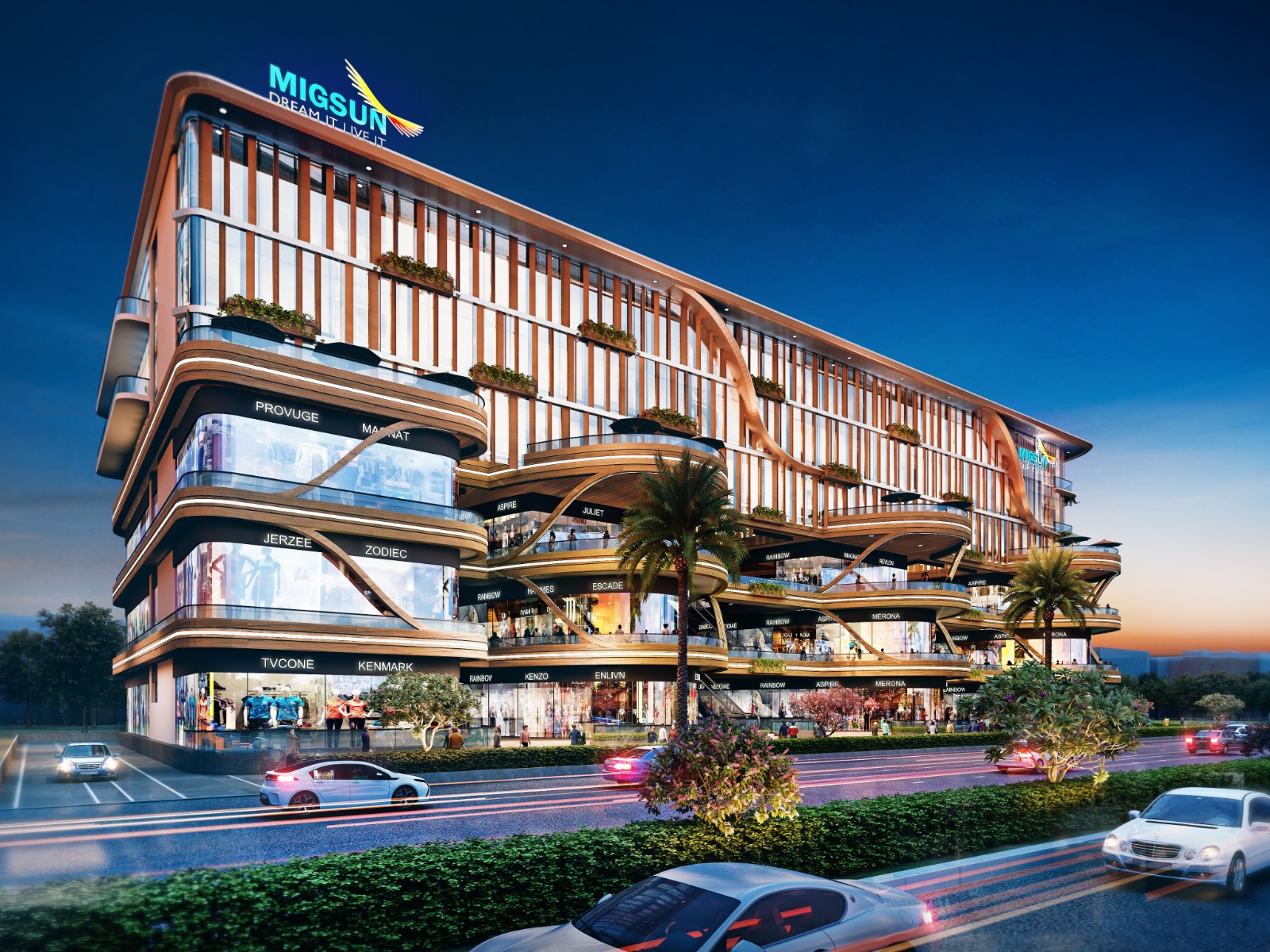
One example of a mixed-use commercial project is Migsun Delta Street by Migsun Group, which combines retail and office spaces to cater to a wide range of business needs. Its layout and services reflect the trend of aligning commercial developments with evolving urban preferences, making it a point of reference in many investment discussions.
Final Thought
Mixed-use commercial developments continue to attract attention because they combine business activity, convenience, and long-term usability in one location. These projects are designed to support consistent movement throughout the day while serving different commercial needs.
Diversified business categories, improved consumer engagement, infrastructure growth, and changing urban lifestyles have strengthened investor interest in this segment. As cities expand and demand for connected commercial spaces grows, mixed-use developments are likely to remain central to future planning.