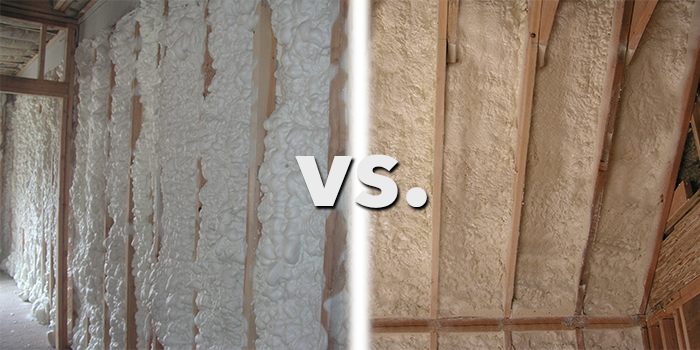
open cell spray foam
Many homeowners look for better ways to improve indoor comfort and lower energy costs. Insulation plays a major role in maintaining stable indoor temperatures throughout the year. Among the available options, open-cell spray foam works well in several parts of a home because it expands into gaps and helps reduce unwanted airflow. Choosing the right installation areas can improve insulation performance and make living spaces more comfortable.
What Is Open Cell Spray Foam?
Open-cell spray foam has a soft and flexible structure that expands after application. This expansion allows it to fill small cracks, gaps, and uneven surfaces more effectively than many traditional insulation materials. Homeowners often choose this insulation for indoor areas because it supports sound control and improves energy efficiency. It also works well in spaces where moisture exposure remains limited.
Best Areas to Install Open Cell Spray Foam
The following areas often benefit most from open-cell spray foam because they commonly allow unwanted air movement and lead to inconsistent temperatures.
Attics
Attics remain one of the most effective places for spray foam installation because warm and cool air often escapes through roof gaps. Open-cell spray foam seals hard-to-reach spaces along roof decks and attic corners, which helps maintain stable indoor temperatures. Proper attic insulation also reduces pressure on heating and cooling systems. This improvement may help lower monthly energy use over time.
Interior Walls
Interior walls benefit from spray foam because the material helps reduce sound between rooms while improving indoor comfort. Families often install insulation in bedrooms, nurseries, and home offices where noise control matters more. The foam expands inside wall cavities and helps reduce airflow between connected spaces. This added insulation can also support more consistent indoor temperatures throughout the house.
Ceilings and Roof Decks
Ceilings and roof decks are directly exposed to heat during warmer months, making insulation important for temperature control. Spray foam creates an air seal that limits heat movement through the upper sections of the home. This insulation approach works especially well in homes located in regions with high summer temperatures. It also helps conditioned indoor air remain inside longer.
Bonus Rooms Above Garages
Rooms above garages often feel hotter in summer and colder in winter because garages rarely have the same level of insulation as living areas. Installing spray foam beneath the flooring and inside connecting walls improves comfort in these spaces. Homeowners commonly use this approach for guest rooms, home gyms, or entertainment spaces that need more reliable temperature control.
Areas Where It May Not Work Best
Although open-cell spray foam performs well in many indoor areas, some spaces require different insulation materials. Areas with high moisture exposure, such as damp basements, may benefit more from closed-cell insulation because it provides stronger moisture resistance. A professional inspection can help homeowners determine whether moisture conditions may affect insulation performance before installation begins.
Conclusion
Installing open cell spray foam in the right areas improves indoor comfort, reduces air leakage, and enhances energy efficiency. Attics, interior walls, ceilings, and bonus rooms often benefit the most because these spaces commonly experience temperature changes and air leaks. Homeowners should also consider moisture conditions before choosing insulation materials so the installation performs effectively and supports long-term comfort throughout the home.