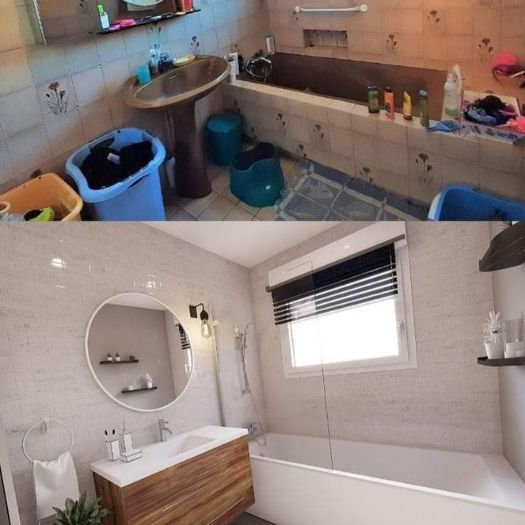
A well-designed bathroom is more than just a practical space. In modern homes, it has become a place for relaxation, comfort, and personal wellbeing. Whether you’re updating a dated interior or redesigning the layout completely, a bathroom renovation requires thoughtful planning, careful budgeting, and the right professional support.
Across the North West of England, homeowners are increasingly investing in bathroom improvements that enhance both functionality and visual appeal. However, achieving the ideal result depends on understanding the renovation process and avoiding common design pitfalls.
This guide explores the key considerations that help ensure a successful bathroom renovation — from planning and materials to working with experienced specialists.
Why Bathroom Renovations Add Value to Your Home
Bathroom renovations are widely considered one of the most valuable home improvements. Alongside kitchens, bathrooms play a significant role in shaping buyer perception and overall property appeal.
A modern, well-designed bathroom can:
- Increase property value
- Improve daily comfort and functionality
- Enhance energy efficiency with modern fixtures
- Modernise the appearance of older homes
Even relatively small upgrades — such as improved lighting, modern tiling, or a redesigned layout — can dramatically change the feel of a bathroom. For homeowners planning to sell in the future, a renovated bathroom often helps properties stand out in a competitive housing market.
However, the true value of a renovation lies in creating a space that works seamlessly with the household’s daily routine.
Key Planning Steps Before Renovating Your Bathroom
One of the biggest mistakes homeowners make is starting renovations without a clear plan. A successful project begins with careful consideration of layout, functionality, and long-term usability.
Layout Planning
The layout is the foundation of any bathroom design. Before selecting tiles or fixtures, it is essential to assess how the space is used and whether the current arrangement works efficiently.
Key questions to consider include:
- Is there enough room around the basin, toilet, and shower?
- Would relocating certain fixtures improve movement within the room?
- Could replacing a bathtub with a walk-in shower create more space?
Good layout planning ensures that the bathroom remains practical and comfortable, even in compact homes.
Storage Solutions
Bathrooms often lack sufficient storage, which quickly leads to clutter. Built-in solutions such as vanity units, recessed shelving, or mirrored cabinets can provide practical storage without overwhelming the space.
Well-designed storage keeps everyday essentials organised while maintaining a clean, minimal appearance.
Lighting Design
Lighting is one of the most overlooked aspects of bathroom design. Ideally, a bathroom should combine several lighting types, including:
- Ambient lighting for overall illumination
- Task lighting around mirrors for grooming
- Accent lighting to highlight design features
Layered lighting creates a balanced atmosphere and improves functionality.
Ventilation
Bathrooms generate a high level of moisture, which can lead to condensation, mould, and long-term structural damage if not managed correctly.
Proper ventilation systems — such as extractor fans and well-positioned windows — are essential for maintaining air quality and protecting materials from damp conditions.
Fixture Placement
Careful placement of sinks, toilets, showers, and baths ensures the room feels spacious rather than crowded. Professional designers often consider movement patterns, sight lines, and accessibility when arranging fixtures.
Even small adjustments in positioning can dramatically improve usability.
Choosing the Right Materials for Durability and Style
Bathrooms are exposed to constant moisture and temperature changes, making material selection particularly important.
The right materials must balance durability with visual appeal.
Tiles
Tiles remain one of the most popular bathroom finishes due to their water resistance and design versatility. Popular options include:
- Ceramic tiles for affordability
- Porcelain tiles for durability
- Natural stone for a luxury aesthetic
Larger tiles are increasingly used in modern bathrooms as they reduce grout lines and create a sleek, contemporary look.
Moisture-Resistant Materials
Cabinetry, wall panels, and surfaces should be specifically designed for humid environments. Moisture-resistant boards, waterproof wall systems, and sealed finishes help prevent long-term deterioration.
Bathroom Flooring
Bathroom flooring must be both water-resistant and slip-resistant. Common choices include:
- Porcelain tiles
- Luxury vinyl flooring
- Natural stone with anti-slip treatments
The right flooring improves safety while contributing to the overall design aesthetic.
Waterproofing Considerations
One of the most critical — yet often unseen — elements of a bathroom renovation is waterproofing. Proper tanking and sealing systems protect walls and floors from water penetration.
Without adequate waterproofing, leaks and structural damage can occur over time.
Common Bathroom Renovation Mistakes Homeowners Should Avoid
Even with the best intentions, renovation projects can run into problems if certain details are overlooked.
Poor Layout Planning
Attempting to fit too many fixtures into a small space can make the bathroom feel cramped. A well-proportioned layout is always more important than squeezing in additional features.
Insufficient Storage
A beautiful bathroom quickly becomes impractical if there is nowhere to store toiletries, towels, and cleaning products.
Inadequate Lighting
Single ceiling lights rarely provide enough illumination. Bathrooms benefit greatly from layered lighting solutions.
Improper Waterproofing
Skipping professional waterproofing measures can lead to costly repairs later. Water damage behind tiles or under flooring is often expensive to fix.
Choosing Style Over Function
While design trends are appealing, functionality should always come first. A bathroom must remain easy to maintain and practical for daily use.
Why Working With Experienced Local Bathroom Specialists Matters
Bathroom renovations involve plumbing, electrical work, structural considerations, and detailed finishing. Because of this complexity, many homeowners prefer to work with experienced renovation specialists who understand both design and technical requirements.
Local experts also have valuable knowledge about property styles and renovation trends in the region. They can often recommend solutions that suit typical home layouts found across the North West.
Local specialists such as EM Bathrooms, who provide bathroom renovation services across areas like Bathroom Renovations Formby, Bathroom Renovation Company Southport, Bathroom Renovations Ormskirk, and Bathroom Renovations Blackpool, often emphasise the importance of careful planning and high-quality materials when transforming bathroom spaces.
Working with experienced professionals helps ensure projects are completed safely, efficiently, and to a high standard.
Final Thoughts: Creating a Bathroom That Works for Your Lifestyle
A successful bathroom renovation is the result of thoughtful design, quality materials, and professional expertise. While aesthetic choices are important, the most effective bathrooms balance style with everyday functionality.
By carefully planning the layout, investing in durable materials, and avoiding common renovation mistakes, homeowners can create a bathroom that enhances both comfort and property value.
Ultimately, the goal is to design a space that supports your lifestyle — whether that means a calming spa-like retreat, a practical family bathroom, or a sleek modern ensuite. With the right preparation and the support of experienced specialists, a bathroom renovation can transform one of the most important rooms in the home.