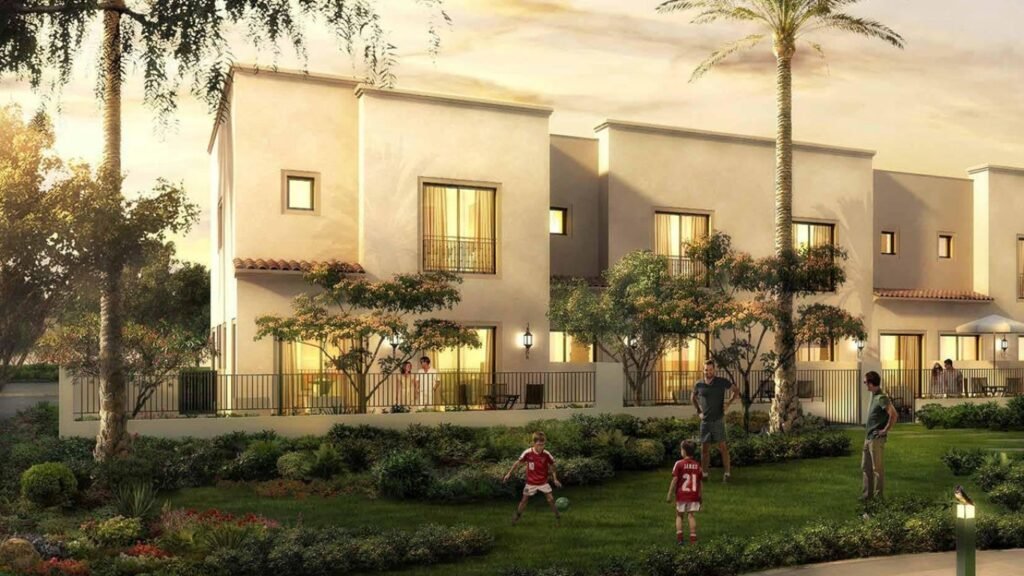
Most people shopping for a townhouse in Dubai fall in love with the layout and forget to check the paperwork. That’s backwards. The layout won’t change after handover, but a bad service charge structure or an unclear title deed can cost you for years.
Townhouses have become one of the more popular entry points into real estate investing here, mainly because they sit in that sweet spot between an apartment and a villa. You get more space, a small garden or terrace, and community amenities, usually without the price tag of a standalone villa. But “popular” doesn’t mean “safe.” A lot of buyers skip due diligence because the community looks polished on a site visit, and that’s exactly when mistakes happen.
Here’s what actually matters before you sign anything.
- Confirm the Developer’s Track Record
Not every developer delivers on time, and not every project gets finished to the standard shown in the brochure. Check the Dubai Land Department’s project status tools and look up how the developer’s previous handovers went. Search their name along with “delay” or “handover issues” and see what comes up.
Emaar, Nakheel, and Meraas have long histories in Dubai and generally deliver close to schedule. Smaller or newer developers can still be solid, but you’ll want to see at least one or two completed, occupied projects before trusting a launch-phase unit from them.
- Understand the Service Charges, Not Just the Purchase Price
This is where a lot of budgets fall apart. Service charges for townhouses in Dubai typically range from AED 3 to AED 8 per square foot annually, depending on the community and the amenities on offer. A 2,000 sq ft townhouse at AED 6 per sq ft comes out to AED 12,000 a year, and that’s before any special levies for pool repairs or landscaping overhauls.
Ask for the last two years of service charge statements from the current owner or the developer’s owners’ association. If the number jumped 20% year over year, ask why before you assume it’s a one-off.
- Check the Title Deed and Ownership History
Pull the title deed through the Dubai REST app or request it via your agent. Confirm the seller’s name matches the deed exactly, and check whether the property has any mortgage still registered against it. A property with an active mortgage isn’t disqualifying, but the seller needs to clear it (or have it cleared through your payment) before or at transfer, and that adds steps to the process.
If you’re buying off-plan, check the Oqood registration instead. It confirms the unit is officially registered with the developer and DLD, which matters if the project changes hands or runs into financial trouble mid-construction.
- Look at the Community’s Occupancy Rate, Not Just Its Renders
A half-empty community means half-empty retail units, quieter security presence, and slower resale demand. Areas like Town Square and Dubai South took a few years to fill up after their first handovers, and early buyers sat on units that were hard to rent out or sell at a premium during that gap.
Ask your agent for occupancy figures or just drive through the community on a weekday evening. Lights on in windows tell you more than any brochure.
- Compare Townhouse Yields Against Other Property Types
This is the part investors skip because they’ve already decided a townhouse is the right move. It might not be. A studio apartment in Dubai in areas like JVC or Dubai Marina can pull gross rental yields of 7% to 9%, while townhouses in family communities like Arabian Ranches or Dubai Hills typically land between 5% and 6.5%.
That doesn’t make townhouses a bad investment. It means the returns work differently. Townhouses tend to attract longer-term tenants and lower turnover, which cuts down on vacancy costs and agency fees. A studio apartment in Dubai will usually turn over faster and need more active management. If you’re building a real estate investing portfolio and want a mix of cash flow and stability, pairing a townhouse with a smaller unit isn’t a bad strategy.
| Property Type | Typical Gross Yield | Tenant Turnover | Management Effort |
| Studio apartment | 7% to 9% | High | High |
| Townhouse | 5% to 6.5% | Low | Low to moderate |
| Villa | 4.5% to 6% | Low | Moderate |
- Read the Community Rules Before You Fall for the Layout
Owners’ associations set rules on everything from pet limits to exterior paint colors to whether you can rent out a room separately. Some communities restrict short-term rentals entirely, which matters a lot if your plan involves Airbnb-style income. Get a copy of the community handbook, not just a summary from the sales team.
- Get an Independent Snagging Inspection Before Handover
Developers hand over units with defects more often than buyers expect. Tile cracks, uneven flooring, AC units that don’t cool properly, doors that don’t close flush. A professional snagging company will run a full inspection before you accept handover, usually for AED 1,500 to AED 3,000, and list every issue the developer is contractually obligated to fix.
Skipping this step to save a few thousand dirhams is one of the more common regrets among first-time buyers. Once you sign the handover form, most of that leverage disappears.
Townhouses can be a strong addition to a real estate investing plan in Dubai, but the strength comes from the checks above, not from the finish quality of the show unit. Do the paperwork before you do the paint colors.