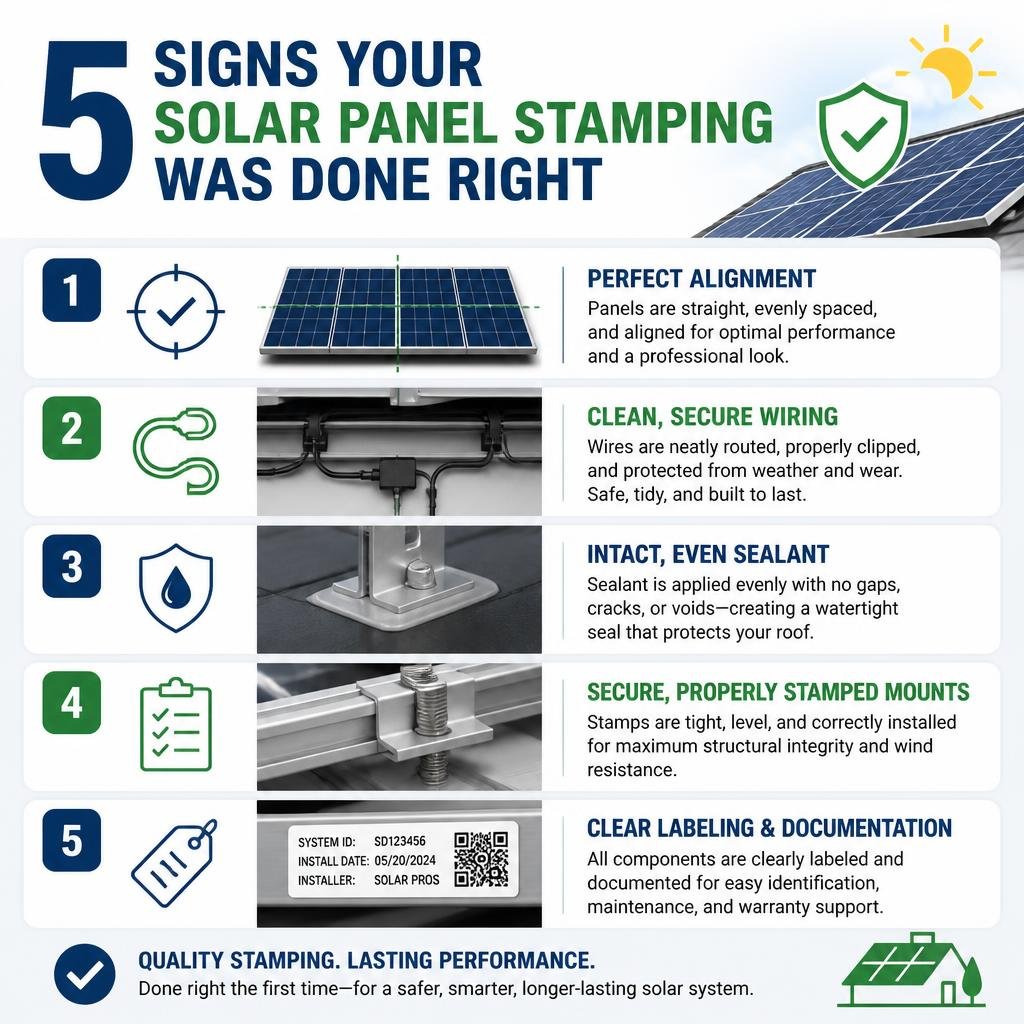
Most homeowners never personally review the engineering behind their system, which makes it hard to know whether Solar panel stamping was handled with real care or rushed through as a formality. Because this step involves genuine structural calculations, not a quick glance-and-sign, the quality of that review tends to show up in subtle ways throughout a project. Meanwhile, a poorly stamped system doesn’t always announce itself immediately, sometimes surfacing only when a utility flags an inconsistency months later. That’s exactly why PTOEdge believes homeowners deserve to know what good engineering review actually looks like, not just take it on faith. In this guide, we will walk through five signs that your stamping process was done properly, and what it means if one of those signs is missing from your own project.
If you’re not sure whether your project’s engineering review checked all the right boxes, it’s worth asking. Have PTOEdge review your stamped drawings for peace of mind before your permit moves any further.
Stamping Isn’t Just Paperwork, It’s a Safety Check
A licensed engineer’s stamp represents a legal confirmation that a system can withstand real structural forces specific to its exact location and roof type. Because this responsibility carries genuine liability, engineers can’t simply glance at drawings and sign off without performing actual calculations. Consequently, a properly handled stamping process leaves behind evidence of real scrutiny, not just a signature on a page. Since every roof, racking system, and region presents different structural variables, engineers can’t reuse a previous project’s approval for a new one without real review. This is exactly why treating Solar panel stamping as a genuine technical process, not a checkbox, matters so much to a project’s long-term safety.
What Solar Panel Stamping Actually Confirms About Your Roof
It’s easy to assume every stamped system received the same level of scrutiny, yet the actual depth of review can vary significantly depending on who’s doing the stamping. However, a thorough process specifically confirms wind load, seismic resistance, and structural capacity for your exact roof, not a generic assumption based on similar homes nearby. Therefore, understanding that Solar panel stamping should reflect your property’s actual conditions helps homeowners recognize whether their own review was genuinely thorough. Additionally, asking whether an engineer requested site-specific details, rather than working from a template, is a fair question to pose. PTOEdge treats this level of individualized review as a baseline expectation, not an upgrade homeowners have to request.
Sign One: Your PV Plan Sets Match What Got Installed
The first sign of a properly stamped system is that the accurate pv plan sets referenced during engineering review actually match what ended up physically installed on the roof. Because engineers calculate load-bearing capacity based on specific equipment and mounting details, any mismatch between the stamped drawings and the final installation undermines the entire review. PTOEdge’s plan set service is built to keep this consistency intact from design through final installation, which homeowners can confirm by comparing their stamped drawings against what’s actually on their roof. Moreover, well-prepared pv plan sets that stay consistent throughout a project are one of the clearest indicators of a properly managed stamping process.
A Warning Sign Worth Recognizing
If your installer swapped equipment brands or adjusted panel placement after stamping was already complete without getting the drawings re-reviewed, that’s a meaningful red flag worth addressing directly. Since structural calculations depend on specific equipment weights and mounting points, any post-stamping change can technically invalidate the original engineering review. Consequently, homeowners who notice this kind of change should ask specifically whether re-stamping happened before installation moved forward.
How to Ask Your Installer About Post-Stamping Changes
A direct, simple question can clarify a lot here: has anything changed about the equipment or design since the drawings were originally stamped, and if so, was the stamp updated accordingly? Because reputable installers track these changes carefully, a confident and specific answer signals a well-managed process. Therefore, homeowners who ask this question before installation begins put themselves in a stronger position to catch a gap before it becomes a real problem. Additionally, requesting a copy of the final stamped drawings for your own records gives you something concrete to compare against the finished installation. PTOEdge encourages exactly this level of homeowner engagement throughout the process.
Solar Panel Stamping and the Permit Design & AHJ Compliance Signature
Every authority having jurisdiction has its own expectations for what a stamped drawing needs to include, and solid Permit Design & AHJ Compliance work has to reflect those local variations precisely. Because Solar panel stamping requirements can differ meaningfully from one jurisdiction to the next, a properly stamped package should show clear evidence of local code awareness, not a generic national template. PTOEdge’s permitting team coordinates closely with engineers so stamped drawings reflect local requirements accurately the first time around. When this coordination is done well, it shows up as a permit that clears review without jurisdiction-specific corrections.
Why These Signs Reflect on Long-Term Installer Reputation
Installers who consistently deliver stamping that checks every one of these signs build the kind of trust that fuels Solar Installer Growth through referrals and repeat business. Because homeowners remember how thoroughly their project was handled long after installation day, a track record of clean engineering review pays off well beyond a single project. Consequently, treating stamping quality as part of the customer relationship, not just a technical requirement, strengthens a company’s reputation over time. PTOEdge’s PE stamp support is built with this long-term reputation in mind, helping installers deliver a process homeowners can genuinely trust.
Sign Two: Your Proposal Numbers Never Needed a Structural Rewrite
A second sign worth checking is whether your original solar sales proposal numbers survived the engineering review process without needing significant revision. If a proposed system size or equipment choice turned out to be structurally unworkable, that gap usually traces back to a proposal built without real engineering input from the start. PTOEdge’s sales proposal support helps installers ground proposals in numbers that hold up once real engineering review begins. Furthermore, a proposal that required no structural rewrite is a strong indicator that the entire process, from sales through stamping, was handled with genuine care.
Keeping Sales, Design, and Engineering Data in Sync
The signs above all point back to one underlying pattern: a properly stamped system stays connected to the same accurate data throughout its entire lifecycle. Because pv plan sets and the original solar sales proposal both feed into what an engineer ultimately reviews, keeping these documents synchronized is what makes all five signs possible in the first place. PTOEdge structures its workflow so sales, design, and engineering data stay connected from the very first drawing, reducing the odds that outdated specifications resurface unexpectedly. This kind of upfront coordination is often the real difference between a stamping process that shows every good sign and one that shows none of them.
Sign Three: The Engineer Asked Real Questions About Your Roof
A third sign involves whether the engineer reviewing your project actually requested specific details about your roof’s framing, age, or unusual structural characteristics. Because generic reviews rarely dig into these specifics, an engineer who asked pointed questions demonstrates real engagement with your property rather than a rubber-stamp approach. Homeowners who can recall specific questions their engineering team asked usually received a more thorough review than those who can’t remember any interaction at all.
Sign Four: Permission to Operate Services Never Flagged a Mismatch
A fourth sign shows up much later in the process, when dependable permission to operate services confirm the installed system matches its stamped and approved design without any last-minute questions. Because utilities specifically check for this consistency, a smooth final review often reflects a stamping process that was accurate from the start. PTOEdge’s permission to operate service manages this handoff, and monitoring pto services requests closely helps confirm whether a properly stamped system moves through this stage without complications.
Sign Five: PTO Solar Approval Didn’t Stall on Engineering Questions
The final sign is perhaps the most telling: pto solar approval that proceeds without the utility ever needing to ask about structural or engineering details. Because utilities occasionally flag inconsistencies that trace back to stamping issues, a clean final approval is a strong indicator that the engineering review was thorough from the very beginning. This is one more reason why treating stamping as a genuine technical milestone protects the entire project timeline, right through to activation.
Why This Matters More in San Diego’s Competitive Pipeline
Busy markets add their own pressure to stamping quality, and solar permit services san diego projects depend on often compete for the same limited pool of local engineers familiar with regional code. Because reviewers and engineers in these high-demand areas handle heavier caseloads, homeowners in competitive markets should pay even closer attention to these five signs. PTOEdge supports installers in these competitive markets through the same permitting resources used nationwide, adapted for local engineering requirements.
What Homeowners Should Know About Storage, Net Metering, and HOA Rules
Once a system is finally approved and running, homeowners often want to understand how it actually affects their monthly bill. Understanding solar panels net metering clarifies how excess energy sent back to the grid gets credited, and this guide on net metering for solar energy explains how those credits are calculated across different states. Homeowners exploring solar net metering alongside a battery should also understand how battery energy storage permitting adds its own stamping and review requirements, since batteries introduce structural and electrical considerations of their own; this resource on solar battery backup permits explains what that process typically involves.
Residents in planned communities also need to review hoa solar panel guidelines, which can affect equipment placement in ways that ripple back into the stamped design itself. This breakdown of HOA guidelines for solar panels explains how to check association rules before finalizing a system layout. Anyone unsure whether a solar permit service covers stamping requirements for their specific project should also review this complete 2026 solar permitting guide for a breakdown by project type. For installers managing several regions, coordinating pv permit services alongside stamping timelines is often what keeps a multi-market schedule realistic.
A completed PTO application only comes together smoothly when the stamped design, the permit, and the final installation all tell the same consistent story. PTOEdge’s PTO tracking support is designed to catch inconsistencies before a utility ever flags them, protecting both timelines and client relationships. This kind of coordinated attention to detail is also part of what drives long-term Solar Installer Growth, since homeowners remember installers who get the engineering right the first time, and it’s why so many installers rely on a dependable solar stamping service to keep this process on track.
Knowing what good stamping looks like protects you long after installation day. Ask PTOEdge to confirm your project shows all five signs of a properly handled engineering review.
Frequently Asked Questions
How can I tell if my solar panel stamping was thorough?
Look for consistency between your stamped plan set and final installation, and confirm your engineer asked property-specific questions.
What happens if equipment changes after stamping is complete?
Structural drawings typically need to be re-reviewed and re-stamped if equipment or placement changes after the original approval.
Does a smooth PTO solar approval indicate good stamping?
Yes, since utilities sometimes flag structural inconsistencies, a clean final approval often reflects accurate engineering review throughout.
Why does San Diego stamping quality matter more than in smaller markets?
Higher demand for local engineers means homeowners should pay closer attention to signs of thorough, property-specific review.
Can HOA-driven design changes affect stamping accuracy?
Yes, since any layout adjustment made for HOA compliance needs to be reflected in the stamped structural drawings as well.