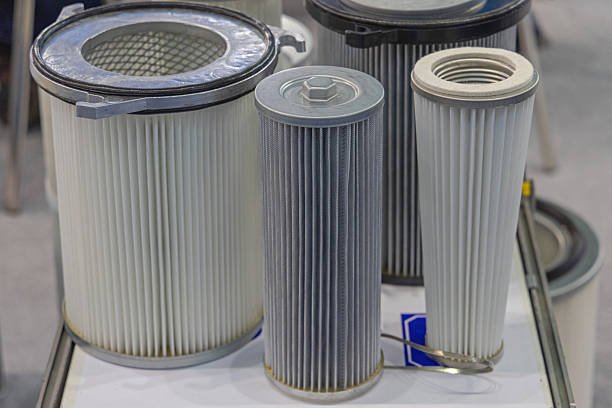
Reusable Cartrige Air Filters Dust Collection Systems Industrial Equipment
Temporary inline stainless steel strainers get put in for a reason. Startup, flushing, commissioning a new line. They catch the weld slag, scale, and junk that would otherwise wreck pumps and valves. The problem is people leave them in too long. Or they ignore the signs that the thing is done.
These strainers are not permanent. They are thinner, hold less debris, and can collapse if the differential pressure climbs. Same mindset you need with a dust collector filter that has reached the end of its useful life. When the signs show up, pull it. Waiting costs more.

Pressure drop keeps climbing and will not settle
This is the first and loudest warning. Clean temporary strainer shows a low differential. As debris builds the numbers rise. If the drop keeps going up and never levels off, the mesh is loading or already packed.
On a temporary inline stainless steel strainer a sustained rise of 5 to 10 psi is usually the signal. Let it go much higher and the cone or basket can deform. I have seen them collapse and send pieces downstream. That is an expensive fix. Watch the gauges. When the trend does not stabilize after flushing cycles, it is time to pull the strainer.
Inspections keep showing the same amount of debris
You open the line, pull the strainer, clean it, put it back. Next day or next shift the basket looks almost as full again. That means the system is still shedding scale or construction debris. Or the strainer is past the point where cleaning restores flow.
Three clean inspections in a row with almost nothing collected is a common rule of thumb. If you never get there, the temporary unit has done its job or is no longer able to. Replace it with a permanent strainer or remove it if the line is confirmed clean. Leaving a half-blocked temporary unit in place just restricts the system.

Flow is restricted or equipment is struggling
Pumps start cavitating. Valves chatter. Flow meters show lower numbers even though the system demand has not changed. The temporary inline stainless steel strainer is the bottleneck. Mesh is clogged or the open area is reduced by deformation.
Same idea as a dust collector filter that has blinded and cut airflow. The equipment downstream pays the price. If you notice the system working harder just to move the same volume of fluid, isolate and check the strainer. Do not keep pushing it.
Visible damage or corrosion on the mesh
Stainless steel is tough but temporary strainers take a beating. Mesh tears, perforations enlarge, support rings bend. Once the openings are bigger than designed, the strainer is not protecting anything. Debris that should have been caught is already downstream.
Corrosion pitting or heavy scaling that will not clean off is another flag. At that point cleaning becomes a waste of time. Scrap it and put in a fresh one if you still need temporary protection, or move to a permanent solution. A damaged strainer gives false confidence.
The commissioning or flushing schedule is finished
Project specs usually call for the temporary strainer to come out after hydrotest, after a set number of flush cycles, or after a defined run time with thermal cycles. Some sites use three full temperature swings or 72 hours of design flow, whichever comes later, plus clean inspections.
If the paperwork says the temporary phase is over and you still have the strainer in, you are past the design intent. These units are not built for continuous duty. Leave them in and the risk of plugging or collapse rises. Pull it, inspect the system one more time, and install the permanent strainer if the line still needs protection.
How this ties into other plant filtration habits
The thinking is not that different from watching a dust collector filter. You look at differential pressure, you inspect the media, you watch system performance, and you change it before failure. Temporary inline stainless steel strainers just have a shorter planned life. Ignoring the signs creates the same problems: restricted flow, equipment damage, and unplanned downtime.
Keep a simple log. Record the differential readings, the amount of debris each time you clean, and the hours or cycles since install. Patterns show up fast. When the numbers stop improving, act.
Conclusion
A temporary inline stainless steel strainer is a short-term tool. Pressure that will not stabilize, repeated debris on inspections, restricted flow, visible damage, or the end of the commissioning period are the five clear signs it needs to come out. Leaving it in longer risks collapse, downstream damage, and extra shutdowns. Treat it with the same attention you give a dust collector filter that has reached the end of its service. Check the gauges, look at the mesh, follow the project schedule, and replace or remove it when the signs appear. That is how you finish the startup clean instead of creating a new problem for the permanent system.