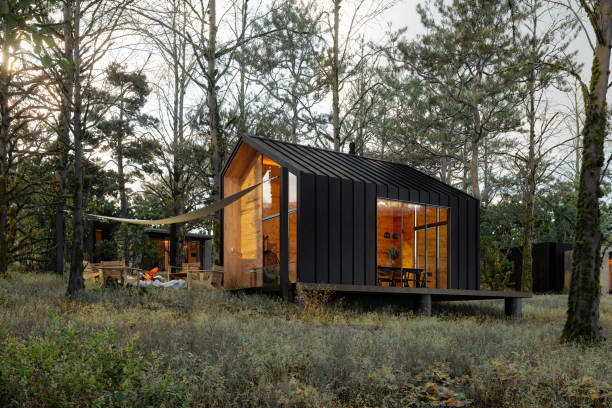
Let’s be real for a second. Housing got weird. Prices went through the roof, space got smaller, and patience ran out. Somewhere in the middle of that chaos, Tiny House kits quietly stepped into the spotlight. Not as a trend. More like a survival strategy with style. People aren’t chasing giant homes anymore. They’re chasing control. Control over money, time, and stress. And these kits? They promise all three in one box. No fluff. Just walls, plans, and a shot at freedom.
The Money Part: Smaller Homes, Bigger Sense
The short answer is cost. Big houses come with big bills. Mortgage, heating, repairs, taxes. It never ends. Tiny house kits feel like someone finally hit the brakes. You buy what you need, not what looks impressive. No wasted rooms. No empty guest bedroom that nobody uses. For young buyers, retirees, and anyone tired of paycheck-to-paycheck living, this makes sense. You don’t need a mansion to live well. You need a shelter that works.
Housing Shortage Made People Creative
Truth is, the housing shortage pushed folks to think differently. Apartments are packed. Rent is wild. And traditional builds take forever. Tiny house kits showed up with a faster answer. Build it yourself. Or with a friend. Or over weekends. It’s not about cutting corners. It’s about cutting delays. People don’t want to wait three years for a place to live. They want something now. Something doable.
DIY Culture Took Over the Conversation
There’s something powerful about building your own home. Not hiring it out. Not watching from the sidelines. Actually putting the walls up yourself. That’s part of the appeal. These kits feel like adult LEGO sets, but with way more consequences. You get instructions. Materials. A plan. And suddenly, you’re not just a homeowner. You’re a builder. Mistakes happen. Crooked nails. Uneven cuts. But that’s the point. It’s real.
Sustainability Isn’t Optional Anymore
People care more about waste now. Energy too. Tiny homes naturally use less of everything. Less wood. Less power. Less water. It’s not about being perfect. It’s about doing better than before. Solar panels fit more easily. Compost toilets don’t feel weird anymore. And living small makes you think small in a good way. Every item matters. Every light switch counts.
Customization Without the Headache
Old-school homes come with fixed layouts. Tiny house kits come with choices. Want a loft? Cool. Want an office nook? Do it. Storage stairs? Sure. These kits are flexible without becoming overwhelming. You’re not starting from scratch. You’re starting from a smart base. That’s what people like. Freedom with guardrails. It’s creativity without chaos.
Remote Work Changed Everything
Once people stopped commuting, location stopped mattering. A tiny home in the woods? Why not. Backyard unit for parents? Makes sense. Office out back? Even better. These kits fit into modern life easily. They don’t demand a city or suburb. They work anywhere there’s land and a little patience. That freedom is addictive.
Where the Tiny House Experts Step In
Here’s the thing nobody likes to admit. Kits are simple, but not easy. Zoning laws. Electrical codes. Plumbing rules. This is where the tiny house experts matter. They guide people through the mess. Not just design, but reality. They help avoid dumb mistakes that cost time and money. In 2026, these experts aren’t optional anymore. They’re part of the process. Think of them as translators between dream and legal paperwork.
Conclusion: Small Homes, Big Direction
So why are tiny house kits exploding right now? Because they match the moment. People want less stress, fewer bills, and more say in how they live. They don’t want massive homes they can’t afford. They want something they can finish, understand, and own. With help from the tiny house experts, this movement isn’t slowing down. It’s getting smarter. More refined. More practical. And honestly, it feels like the future showed up early. Not flashy. Just simple. And sometimes, simple wins.