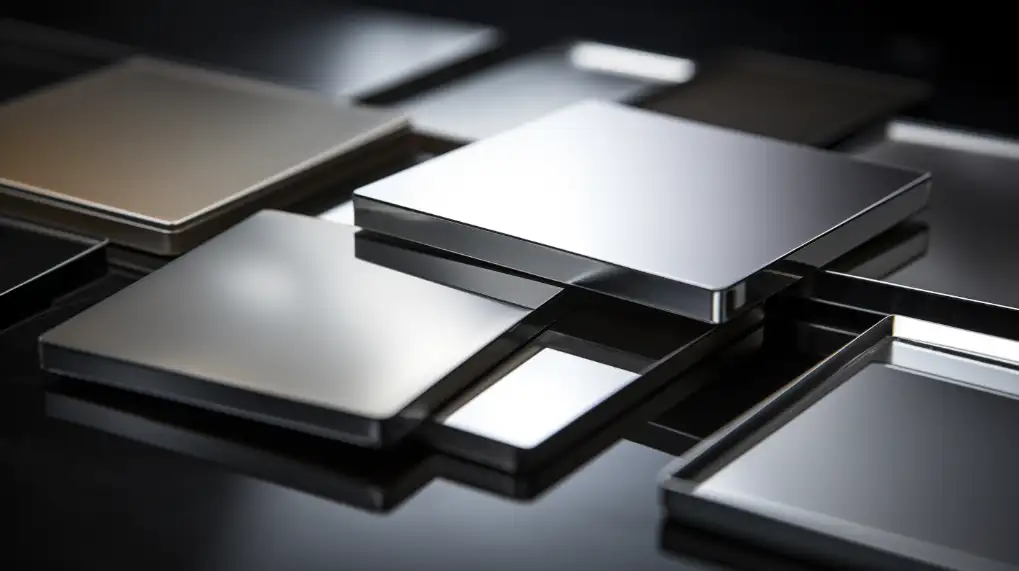
If you have ever admired an aluminum product that looks smoothly elegant, refined, durable, and luxuriously matte, chances are you were looking at a satin anodised finish. Satin anodising is a specialized type of anodising designed to create a smooth, soft sheen rather than a glossy shine, giving aluminum both beauty and strength. It enhances durability while delivering a sophisticated appearance that makes it highly valued in architecture, engineering, consumer goods, and design.
Understanding Satin Anodising
At its core, satin anodising is an electrochemical process applied to aluminum. Unlike painting or plating, anodising doesn’t coat the surface with another material. Instead, it transforms the top layer of aluminum itself into a controlled, protective oxide layer. The “satin” aspect is achieved through carefully controlled surface preparation techniques like brushing or bead blasting before anodising, resulting in a fine-textured matte appearance.
This treatment does much more than improve looks. Satin anodising strengthens the metal against corrosion, wear, scratches, and weathering. It also creates a finish that is uniform, fingerprint-resistant, easy to clean, and maintains its appearance for years.
The Satin Anodising Process
The satin anodising process happens in well-defined stages to ensure both technical performance and aesthetic quality:
1. Surface Preparation
Before anodising, aluminum must be perfectly prepared. Oils, contaminants, and imperfections are removed through cleaning and mild etching. Satin anodising typically includes mechanical treatments such as brushing or sand-blasting to gently texture the surface. This helps create the signature satin effect and ensures uniform oxide growth.
2. Electrochemical Anodising
The cleaned aluminum is placed into an electrolytic bath. The metal acts as the anode, and when electric current passes through, a controlled oxidation reaction takes place. Oxygen bonds with aluminum atoms, forming a hard, durable aluminum oxide layer that is integral to the metal rather than sitting on top of it.
3. Coloring (Optional)
If desired, the porous oxide layer can be infused with color using dyes or electrolytic coloring techniques. This allows satin anodised aluminum to come in shades like champagne, bronze, silver, black, grey, rose tones, and more, without losing the satin character.
4. Sealing
To lock in durability, the anodised surface is sealed. This step closes microscopic pores, enhances corrosion resistance, and stabilizes the appearance. Sealing ensures the satin surface does not trap dirt and remains easy to maintain.
Properties of Satin Anodised Aluminum
Satin anodising is favored not just for appearance but for its performance. Some of its most valued properties include:
- Excellent Corrosion Resistance: The anodised oxide layer forms a strong protective shield over the aluminum surface, preventing direct exposure to moisture, chemicals, pollutants, and harsh environmental elements. This makes satin anodised aluminum highly suitable for marine environments, outdoor architecture, heavy industrial settings, and areas prone to humidity or chemical contact.
- High Wear and Scratch Resistance: During satin anodising, the aluminum surface becomes significantly harder than its natural state, allowing it to withstand friction, abrasions, and surface impact. This makes it ideal for applications where products undergo frequent handling, movement, or mechanical stress while still needing to retain their appearance.
- UV Stability: Unlike many painted or coated finishes that crack, peel, or fade with prolonged sun exposure, anodised layers remain firmly bonded to the metal. This UV resistance helps maintain consistent color, texture, and performance even in extreme weather, making it reliable for outdoor and architectural applications.
- Thermal Stability: Satin anodised aluminum maintains its structural strength and surface integrity even under fluctuating or high temperatures. The oxide layer does not melt, distort, or degrade easily, allowing it to perform well in demanding environments such as industrial setups, automotive components, and aerospace applications.
- Electrical Insulation: The anodised oxide coating creates a natural insulating barrier on the outer surface, protecting components from electrical interference or accidental conduction. Meanwhile, the base metal underneath retains its natural conductivity, making satin anodised aluminum useful for electronic housings, technical equipment, and precision engineering needs.
- Enhanced Aesthetics: The satin anodising process delivers a smooth, uniform matte sheen that looks elegant and premium without being overly reflective. It adds depth, sophistication, and a refined texture to aluminum products while maintaining consistency, color stability, and a visually appealing finish across various applications.
Why Choose Satin Anodising?
Satin anodising strikes the perfect balance between subtle aesthetics and robust performance. Unlike polished anodising, it is less reflective, more resistant to visible fingerprints, and offers a timeless, premium feel. Compared to painted coatings, it does not bubble, chip, or peel, making it cost-effective long term. It is also environmentally responsible, as anodising does not produce hazardous buildup and uses recyclable aluminum.
Applications of Satin Anodised Aluminum
The versatility of satin anodising makes it suitable for multiple industries and product categories:
Architecture and Construction
Doors, windows, facades, curtain walls, cladding panels, railings, and structural profiles frequently use satin anodised aluminum. The finish offers weather durability, consistency, and elegant design appeal that fits modern architectural aesthetics.
Automotive Sector
Car interior trims, panels, exterior accents, wheels, and performance components benefit from added durability and resistance to wear, moisture, and heat. Satin anodising also enhances visual refinement in premium automotive components.
Aerospace Industry
Aircraft parts require excellent corrosion resistance, lightweight strength, and surface stability. Satin anodised components withstand altitude, environmental stress, and chemical exposure while maintaining functional integrity.
Consumer Electronics and Appliances
Smartphones, laptops, tablets, speakers, home appliances, and lifestyle gadgets widely use satin anodised aluminum. It delivers a sleek, modern appearance while protecting devices from handling wear and scratches.
Interior and Lifestyle Products
Furniture hardware, lighting fixtures, kitchen accessories, decorative trims, display systems, and luxury fittings often adopt satin anodising for elegance and endurance.
Maintenance Advantages
One of the most appealing aspects of satin anodised aluminum is its ease of maintenance. It does not tarnish, and simple cleaning with mild soap and water generally restores its fresh look. The sealed layer resists stains and environmental damage, making it ideal for long-term use.
Conclusion
Satin anodising is more than just a finishing technique, it is a powerful enhancement process that strengthens aluminum while giving it a refined, contemporary appearance. From architecture and engineering to electronics and lifestyle products, it ensures durability, stability, and aesthetic excellence. For industries seeking reliability with visual sophistication, it remains an exceptional choice.
JM Aluminium has extensive experience in aluminum technology, evolving from a modest beginning to a large, advanced extrusion and finishing facility. With robust infrastructure, controlled anodising processes, and strong quality focus, the company supports diverse industrial needs while ensuring dependable, technically sound aluminum solutions, including the expertise to deliver a premium satin anodised finish.