Premature aging is no longer a concern limited to older adults. Today, many people in their 20s and 30s notice early signs of aging such as fine lines, dull skin, pigmentation, and loss of firmness. Stressful lifestyles, environmental factors, and unhealthy habits have accelerated the aging process, making skin care and wellness more important than ever. Understanding the root causes of premature aging and adopting effective anti-aging tips can help slow down these changes and support healthier, younger-looking skin for longer.
This blog explores the key causes of premature aging and explains how practical lifestyle changes, natural anti-aging remedies, and consistent youthful skin care routines can make a visible difference.
What Is Premature Aging?
Premature aging refers to the appearance of aging signs earlier than expected for your age. These signs may include wrinkles, fine lines, dark spots, uneven skin tone, dryness, sagging skin, thinning hair, and reduced energy levels. While aging is a natural biological process, premature aging is often influenced by external and internal factors that can be managed with the right approach.
The good news is that many causes of premature aging are preventable. By recognizing them early and following effective anti-aging tips, you can protect your skin and overall health.
Common Causes of Premature Aging
1. Excessive Sun Exposure
One of the biggest contributors to premature aging is prolonged exposure to ultraviolet (UV) rays. Sun damage breaks down collagen and elastin, the proteins responsible for skin firmness and elasticity. This leads to wrinkles, fine lines, sunspots, and uneven pigmentation. People who spend long hours outdoors without sunscreen often experience faster visible aging.
2. Poor Diet and Nutritional Deficiencies
What you eat directly affects how your skin looks and feels. Diets high in sugar, processed foods, and unhealthy fats increase inflammation and oxidative stress in the body. This accelerates skin aging and reduces its natural glow. A lack of essential nutrients such as vitamins A, C, E, zinc, and omega-3 fatty acids also weakens the skin’s ability to repair itself.
3. Chronic Stress
Stress triggers the release of cortisol, a hormone that can break down collagen and impair the skin’s barrier. Long-term stress is closely linked to dull skin, dark circles, acne, and early wrinkles. Without proper stress management, even the best skincare products may fail to deliver lasting results.
4. Lack of Sleep
Sleep is when the body repairs itself, including the skin. Poor sleep quality disrupts cell regeneration, leading to tired-looking skin, puffiness, and fine lines. Over time, sleep deprivation contributes significantly to premature aging and loss of skin vitality.
5. Smoking and Alcohol Consumption
Smoking reduces blood flow to the skin and depletes oxygen and essential nutrients. This results in dull complexion, deeper wrinkles, and loss of firmness. Excessive alcohol dehydrates the skin and damages the liver, which plays a key role in detoxification. Both habits speed up the aging process dramatically.
6. Pollution and Environmental Damage
Urban pollution exposes the skin to toxins and free radicals that damage skin cells. These free radicals break down collagen and accelerate the appearance of fine lines, pigmentation, and rough texture. Environmental damage is one of the most underestimated causes of premature aging.
7. Poor Skincare Habits
Skipping sunscreen, not removing makeup properly, over-exfoliating, or using harsh products can weaken the skin barrier. Inconsistent or unsuitable skincare routines prevent the skin from maintaining its natural balance and resilience, making it more vulnerable to early aging.
How Anti-Aging Tips Can Help Slow the Aging Process
Adopting the right anti-aging tips does not mean relying on expensive treatments alone. In fact, small daily habits can create long-term benefits. A balanced approach that includes lifestyle changes, skincare, and wellness practices can significantly reduce the visible effects of premature aging.
1. Protect Your Skin from the Sun
One of the most powerful anti-aging tips is daily sun protection. Using a broad-spectrum sunscreen with SPF 30 or higher protects the skin from harmful UV rays. Wearing sunglasses, hats, and seeking shade during peak sunlight hours can further reduce sun damage and help maintain even-toned skin.
2. Follow a Balanced, Nutrient-Rich Diet
Healthy eating plays a crucial role in youthful appearance. Foods rich in antioxidants such as fruits, vegetables, nuts, and seeds help fight free radicals. Hydrating foods like cucumber, watermelon, and citrus fruits support skin moisture. Incorporating natural anti-aging remedies such as turmeric, green tea, aloe vera, and amla into your diet can boost skin health from within.
3. Maintain a Consistent Youthful Skin Care Routine
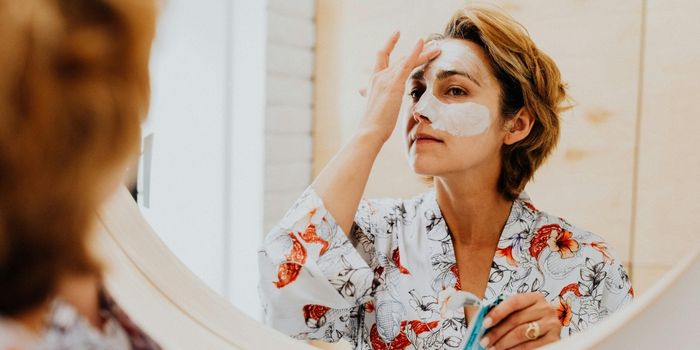
A good skincare routine does not have to be complicated. Gentle cleansing, regular moisturizing, and targeted treatments can make a noticeable difference. Cleansing removes dirt and pollution, moisturizing strengthens the skin barrier, and using ingredients like vitamin C, retinol (in moderation), and hyaluronic acid supports collagen production. A consistent youthful skin care routine helps the skin look fresh, firm, and radiant over time.
4. Stay Hydrated
Drinking enough water is a simple yet effective anti-aging habit. Hydration improves skin elasticity, reduces dryness, and supports detoxification. Herbal teas, coconut water, and infused water with lemon or mint can also support hydration while adding extra antioxidants.
5. Prioritize Quality Sleep
Sleep is often called nature’s best beauty treatment. Aim for 7–9 hours of quality sleep each night. Creating a relaxing bedtime routine, limiting screen time before bed, and maintaining consistent sleep schedules can enhance skin regeneration and reduce early signs of aging.
6. Manage Stress Through Mindful Practices
Stress management is essential for both mental well-being and skin health. Yoga, meditation, deep breathing exercises, and regular physical activity help lower cortisol levels and support hormonal balance. These practices are powerful natural anti-aging remedies that improve overall vitality and skin appearance.
7. Choose Gentle and Natural Skincare Ingredients
Many people are now shifting toward natural anti-aging remedies to avoid harsh chemicals. Ingredients like rose water, sandalwood, honey, coconut oil, and aloe vera have been used for generations to nourish and protect the skin. These natural options can complement modern skincare products and support long-term skin health.
The Role of Lifestyle in Long-Term Youthful Skin
It is important to understand that no single product or treatment can completely stop aging. However, combining effective anti-aging tips with healthy lifestyle choices can significantly slow the process. Regular exercise improves blood circulation, which delivers oxygen and nutrients to the skin. Limiting sugar intake helps prevent glycation, a process that damages collagen and leads to sagging skin. Avoiding smoking and reducing alcohol consumption further supports long-term skin vitality.
Building a holistic approach that includes skincare, nutrition, sleep, stress management, and self-care is the most sustainable way to preserve youthful skin.
Final Thoughts
Premature aging is influenced by multiple factors, from sun exposure and stress to diet and environmental damage. While aging is inevitable, the speed at which it appears can be controlled to a great extent. By understanding the causes and applying practical anti-aging tips, you can protect your skin and overall health more effectively.
Incorporating natural anti-aging remedies into your routine, maintaining a consistent youthful skin care regimen, and making mindful lifestyle choices can help you look and feel younger for longer. The journey to healthy, glowing skin does not require perfection—just consistency, awareness, and commitment to caring for yourself every day.