Los Angeles does not wait for anyone. The city moves fast, runs hot, and rewards people who show up with a plan. Whether you are spending your us los angeles time on a quick weekend trip or a longer stay, the gap between a forgettable visit and an unforgettable one comes down to knowing where to go and when. Most visitors default to Hollywood Boulevard or the Walk of Fame and leave wondering what the fuss was about. That is the wrong play entirely.
LA is actually a collection of small, wildly different neighborhoods stitched together by freeways. You can surf in the morning, eat world-class ramen by noon, and stand inside a contemporary art gallery by 3 PM. This guide is built for people who want the real city, not the tourist checklist version.
The Coastal Side of LA That Most People Rush Past
Here is what nobody tells you about the LA coastline: the famous spots are often the least enjoyable ones during peak season. Venice Beach draws crowds from April through September that make it nearly impossible to find a parking spot before 9 AM. Meanwhile, El Segundo Beach, just a few miles south, sits quieter and cleaner, with locals who actually use it year-round.
Santa Monica Pier is worth seeing once, especially in the early morning when the light hits the water and the carnival rides are still shut. But if you want to feel what los angeles live time actually feels like for residents, rent a bike from any of the dockless bike stations along the Pacific Coast Highway path and ride north toward Malibu. That stretch of road, with the Pacific on your left and the Santa Monica Mountains on your right, is the version of LA that people fall in love with and never quite recover from.
Zuma Beach in Malibu is a genuinely underrated spot. It is wide, the water is cleaner than Venice, and the parking lot fills up much later. If you are visiting between November and March, you might even find a 60-degree sunny afternoon completely to yourself.
Best Times to Hit the Beach Without the Crowds
Weekday mornings before 10 AM are the golden window. Locals who surf are already in the water by 6 AM. Tourists rarely arrive before 11. That two-hour gap between 8 and 10 AM is when you can actually hear the ocean. Avoid the Fourth of July weekend on any LA beach entirely. It is beautiful chaos, but not the kind that makes for a relaxing morning.
Exploring LA Neighborhoods That Reward Slow Walking
Silver Lake and Los Feliz together form one of the most walkable corners of the city, which is saying something for a place built around cars. The Sunset Junction stretch of Silver Lake has independent bookstores, vinyl shops, taquerias that have been serving the same recipes since the 1980s, and coffee shops where people actually stay for hours. This is where you feel time at los angeles now rather than simply passing through it.
Koreatown operates on a completely different clock from the rest of LA. The neighborhood comes alive after 9 PM when Korean BBQ restaurants fill up and the karaoke rooms start booking out. During the day, it is surprisingly calm, and the food halls like Chapman Plaza host a rotating mix of vendors that change seasonally. A cold order of haemul pajeon (Korean seafood pancake) from a well-worn stall at 11 AM on a weekday is a better meal than most restaurant dinners costing three times the price.
Leimert Park is the cultural and creative heart of Black LA. The Vision Theatre, the World Stage jazz club, and the surrounding murals make it a neighborhood that deserves far more attention than the tourist trail typically gives it. Sunday afternoons often bring live music to the park itself.
Highland Park: The Neighborhood with a Second Act
Highland Park spent decades overlooked and emerged over the last ten years as one of the most interesting zip codes in Southern California. York Boulevard is the main artery, lined with galleries, natural wine bars, and bakeries that do not open until 8 AM because the owners believe bread should cool properly before selling. That kind of stubborn commitment to craft is everywhere here. It is also worth noting that the Gold Line Metro stop at Highland Park connects directly downtown, meaning you do not need a car for this particular afternoon.
Food in LA That Goes Beyond the Instagram Version
The best meals in Los Angeles are rarely the most photographed ones. Grand Central Market downtown has been running since 1917 and still produces some of the most satisfying eating in the city. Egg Slut draws the longest line, but the pupusas from Sarita’s Pupuseria two stalls over are more interesting and the line moves in under five minutes.
Mariscos Jalisco in Boyle Heights serves a tostada de camaron that has appeared on nearly every serious food writer’s best-of list for the past decade, and the truck is still parked in the same lot. You order at the window, eat standing up, and wonder why you have been paying for tablecloths your whole life.
For anyone tracking their us los angeles time carefully and wanting to pack in as much as possible, the Smorgasburg LA market runs every Sunday in Row DTLA from 10 AM to 4 PM. Roughly 70 food vendors offer everything from Filipino sisig to hand-rolled pasta to aguas frescas. It is a two-hour stop that covers more culinary ground than most three-day food tours in other cities.
The Breakfast Problem (And How LA Solves It)
LA takes breakfast seriously in a way that most cities do not. Sqirl in Los Feliz built an entire following on ricotta toast and sorrel pesto rice bowls before the term “brunch culture” existed. The wait can stretch to 45 minutes on weekends. The honest move is to go on a weekday before 8:30 AM, get a seat at the counter, and order the jam with the seasonal fruit. It is a fifteen dollar plate that justifies the flight to LA on its own.
Arts and Culture That LA Actually Does Better Than Anywhere
The Getty Center is free to enter, sits on a hilltop above Brentwood with views stretching from downtown to the Pacific, and houses one of the strongest Impressionist collections outside of Europe. The building itself, designed by Richard Meier, is worth the tram ride up. Plan for two hours minimum. The garden alone is a forty-five minute detour that most people skip and later regret.
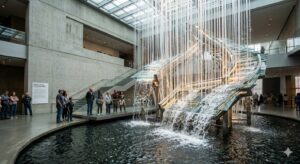
LACMA on Wilshire is the largest art museum west of Chicago. The Chris Burden Urban Light installation out front, with its 202 restored cast iron street lamps, has become one of the most recognizable images of the city. But inside, the rooms covering ancient Iranian art and pre-Columbian collections often stand nearly empty while everyone clusters around the popular ticketed exhibitions. Those quieter rooms are where the museum actually earns its reputation.
The Hammer Museum in Westwood is free every day, and its programming, which leans heavily toward contemporary and conceptual work, punches well above its size. The Made in LA biennial, which rotates every two years, is one of the best surveys of working Los Angeles artists anywhere.
Using a Tool Like Findtime.io to Plan Your Cultural Day
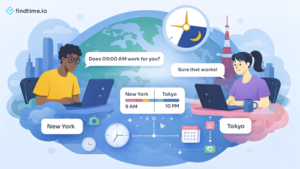
Anyone juggling museum hours, meal reservations, and neighborhood walks across a city this size knows the scheduling problem quickly becomes real. A tool like findtime.io helps coordinate timing across multiple stops so nothing overlaps and the day flows without backtracking. For a city as sprawling as LA, time planning is not optional. It is the difference between seeing four neighborhoods properly and spending three hours sitting in traffic between two of them.
Getting Around LA Without Losing Half Your Day
The car-or-metro debate in LA has a more nuanced answer than locals sometimes admit. The Metro system, particularly the E Line (formerly Expo Line), connects downtown to Santa Monica in about 47 minutes without any traffic variable. For anyone staying near the line, this alone removes the most painful beach-day logistics.
Rideshare surge pricing during weekend evenings from Hollywood can add 40 to 60 dollars to a trip that should cost fifteen. The practical move is to walk two to three blocks off the main strip before requesting a pickup. The price drops substantially. This is not a secret among locals, but no one mentions it in any travel guide.
Parking in Silver Lake, Los Feliz, and Highland Park is easier than parking in Santa Monica or Hollywood, sometimes dramatically so. If your plans are flexible, building an itinerary that concentrates on the east side in the morning and the west side in the afternoon (following the sun rather than fighting cross-town traffic) shaves at least an hour off a full-day trip.
Hidden LA That Repays the Extra Effort
The Bradbury Building at 304 South Broadway is one of the most architecturally significant buildings in the United States and most visitors to downtown LA walk past it entirely. The interior atrium, with its ornate Victorian ironwork and glazed roof, has appeared in films from Blade Runner to (500) Days of Summer. Entry to the ground floor is free during business hours. It takes fifteen minutes and reframes everything you thought you knew about what Los Angeles looked like before the freeways arrived.
Griffith Observatory is the obvious choice for a view, but the less-visited Mulholland Drive overlooks are often clearer and less crowded, especially on weekday evenings when the light turns the basin below into something resembling a circuit board. The stretch of Mulholland between Laurel Canyon and Coldwater Canyon has multiple pull-offs that require no hiking and deliver views that cost nothing.
Descanso Gardens in La Canada Flintridge runs at a completely different pace from the rest of the city. The camellia forest, which blooms between January and March, is one of the most genuinely surprising natural spaces in Southern California. Admission is under ten dollars and the place stays manageable even on weekends because it sits far enough from the tourist corridor that most short-stay visitors never discover it.
The LA River Trail: An Unexpected Green Corridor
The LA River, which most people know only as a concrete channel from freeway overpasses, has a paved multi-use trail running through its greener northern sections near Elysian Valley. The stretch between Fletcher Drive and the Confluence with the Arroyo Seco passes through a soft-bottom section where actual riparian vegetation grows. Cyclists, joggers, and birders use it daily. It is the most unexpected thirty minutes of natural quiet available within city limits, and it takes knowing someone or reading deeply to find it.
Planning Your US Los Angeles Time Across Different Seasons
The conventional wisdom says LA weather is always perfect. The reality is more layered. June Gloom, which runs from late May through mid-July, means coastal areas like Santa Monica and Venice stay under marine layer until noon most days. The upside is that temperatures stay cooler and crowds are thinner in the mornings. The downside is that beach days before 11 AM look gray in photos.
October and November are arguably the best months to spend your us los angeles time in the city. The Santa Ana winds push the marine layer back, temperatures climb into the low 80s, and the tourist density drops significantly after Labor Day. The light in October is extraordinary, and the hiking trails in the Santa Monica Mountains are at their driest and most accessible.
February and March bring wildflower season to the surrounding hills and desert areas within two hours of the city. Antelope Valley California Poppy Reserve, about 75 miles north on the 14 freeway, transforms into a carpeted landscape that is one of the most visually striking natural events in the western United States. The bloom timing varies by rainfall, but apps like iNaturalist track it in real time.
Weekend vs. Weekday Strategies for a Better Experience
Weekdays in LA produce a city that functions differently. Museums have fewer visitors. Restaurants seat walk-ins. Parking meters on popular streets are available. If you have the flexibility to structure your los angeles live time around Tuesday through Thursday rather than Saturday and Sunday, the experience changes meaningfully. The tradeoff is that some markets and outdoor events only run on weekends. Smorgasburg, the Melrose Trading Post flea market, and most farmers markets require weekend availability.
Frequently Asked Questions
What is the best area to stay in Los Angeles for a first visit?
Santa Monica and West Hollywood are the two most practical bases for first-time visitors. Santa Monica puts you near the beach and the Promenade, with good Metro access. West Hollywood sits closer to major entertainment venues, restaurants, and the Sunset Strip. Both neighborhoods are walkable by LA standards, which matters more than it sounds.
How many days do you actually need to see Los Angeles properly?
Four full days is the minimum to cover the coastline, downtown, one or two inland neighborhoods, and Griffith Observatory without rushing. Six days allows for day trips to the Getty Villa, Malibu, or the Angeles National Forest. Most visitors underestimate this by at least two days and leave with a list of things they missed.
Is public transportation a realistic option in Los Angeles?
For specific corridors, absolutely. The E Line from downtown to Santa Monica is genuinely useful. The B Line (Red Line) connects Hollywood and Koreatown to downtown. The gaps in the network make car-free travel difficult for neighborhoods like Silver Lake, Leimert Park, or the Valley. A hybrid approach, combining Metro for major corridors with rideshare for neighborhood-level movement, works better than committing fully to either option.
What should I know about dining reservations in LA?
The most sought-after restaurants in Los Angeles now book out two to four weeks in advance on platforms like Resy and OpenTable. For dining during your time at los angeles now, book before you arrive. Walk-in availability at hot spots exists, but it typically means eating at 5:30 PM or waiting at the bar. Counter seating, where available, is often the fastest route to a table at popular spots.
How do I avoid the worst LA traffic?
Avoid the 405, 10, and 101 freeways between 7 to 10 AM and 4 to 7 PM on weekdays. Build your itinerary around neighborhood clusters rather than cross-city movement during those windows. Sunday mornings before 9 AM produce the clearest freeways in LA, which is the time locals use for longer drives. The Waze app reflects real-time conditions more accurately than Google Maps in this market, based on consistently reported driver experience.
Are there free things worth doing in Los Angeles?
The Getty Center, the Hammer Museum, the Griffith Observatory exterior, all public beaches, the Los Angeles State Historic Park downtown, and the LA River Trail cost nothing. The La Brea Tar Pits grounds are free, though the museum inside charges admission. Many neighborhood murals, particularly in Arts District and Boyle Heights, are walkable street art experiences that require only time. LA’s density of free quality experiences is genuinely underappreciated.
Making the Most of Every Hour You Have in LA
Los Angeles gives back exactly what you put in. Show up without a plan and the city will confuse you with its scale and scatter your us los angeles time across traffic and tourist traps. Show up with a neighborhood-by-neighborhood strategy, an appetite for things that are not on the first page of any travel results, and some flexibility about what a perfect day looks like, and the city becomes one of the most rewarding places in North America.
The version of LA that locals love is still completely accessible. It just requires walking past the obvious choices toward the block behind it, the stall at the back of the market, the trail that starts where the parking lot ends. That city is not hidden. It is simply patient enough to wait for people who are curious enough to look.
What part of LA are you most interested in exploring? Drop your questions below and we will point you toward the corners of the city that match what you are after.