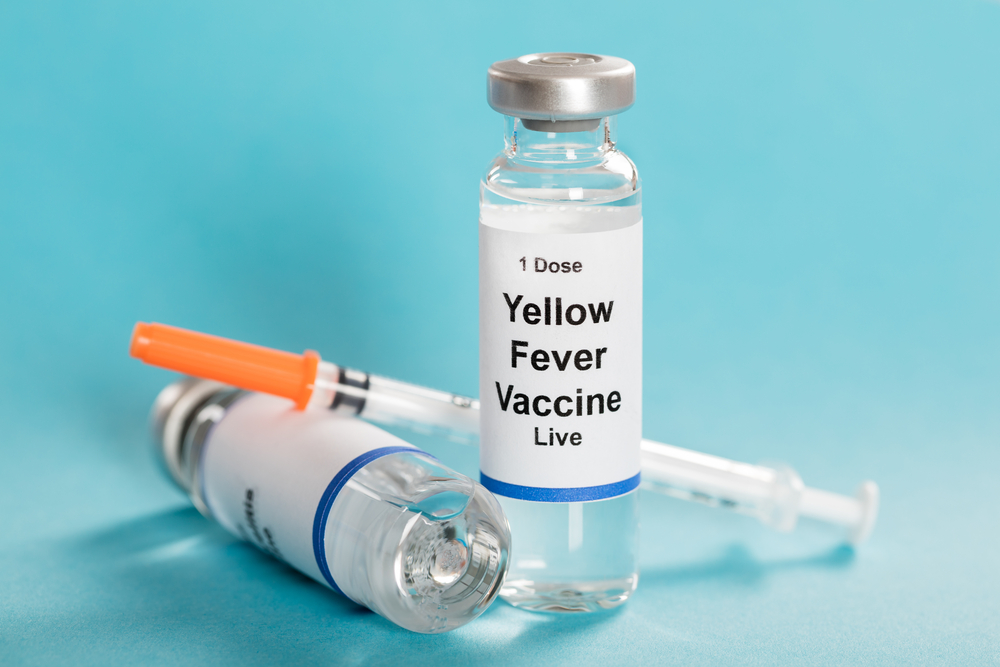
International travel has gained popularity; hence, knowing the health risks that are specific to destinations has become a major factor in the planning of trips. During the arrangement of their travel to areas where yellow fever is rampant, a great number of travelers check the Yellow Fever Vaccine In Philadelphia. This indicates that more and more people are aware of and are influenced by the vaccination requirements and the global health norms that play a role in either erasing or at least partially erasing the disease. Being informed in advance facilitates travel that is safer, more compliant, and tolerant.
Understanding Yellow Fever and Its Health Impact
Yellow fever, which is an illness caused by a virus and transmitted through mosquitoes, is considered a serious health risk if not treated properly.
- Nature of the disease: The virus that causes yellow fever primarily attacks the liver and causes symptoms such as fever, extreme tiredness, yellowing of the skin and eyes, and in very rare cases, even bleeding from inside the body.
- Geographical prevalence: Regions with the highest yellow fever incidence are found in sub-Saharan Africa and parts of the Amazon basin, where mosquitoes thrive due to suitable environmental conditions.
- Modes of transmission: Yellow fever is passed on through the bite of infected mosquitoes and not by direct human contact; hence, exposure is the main risk factor.
- Severity of symptoms: If a case is mild, the patient may not need any treatment but sometimes the disease can get so severe that it leads to death, thus important to take preventive measures.
- Global health relevance: Yellow fever is a disease that, due to international traffic, is a concern outside the endemic regions and demands the cooperation of the worldwide prevention activities.
Importance of Vaccination for Travel and Compliance
Vaccination is still the number one preventive method against yellow fever and is very important for the overall health of the population.
- Disease prevention: Vaccination enables the body’s defense system to produce its own protection, thus the risk of getting the disease while traveling is reduced to a great extent.
- International entry requirements: It is mandatory to present documentation of vaccination for entry in some countries, which makes it very important to go through the process.
- Long-term immunity: Usually, one dose is enough to provide long-term immunity, which is good for both the individual and society.
- Protection of others: Vaccination limits the chance of the virus infecting and spreading to people who are weak, and the consequences for them would be severe.
- Support for global disease control: Vaccinations cover the whole population and this means that there will be no outbreaks, plus it is an international public health strategy that gets the support of many countries.
Conclusion
Yellow fever is still a major issue that is preventable, and consequently, it is a risk for travelers, especially those who go to places where it is endemic. Being aware of the transmission, health impacts, and vaccination requirements can very well support informed and responsible travel decisions. The growing search for the Yellow Fever Vaccine in Philadelphia signifies a very smart and active way of dealing with health issues, and at the same time, it complies with international regulations. Being informed is a guarantee of protecting one’s health, and this, in turn, helps in the overall global fight against disease prevention.