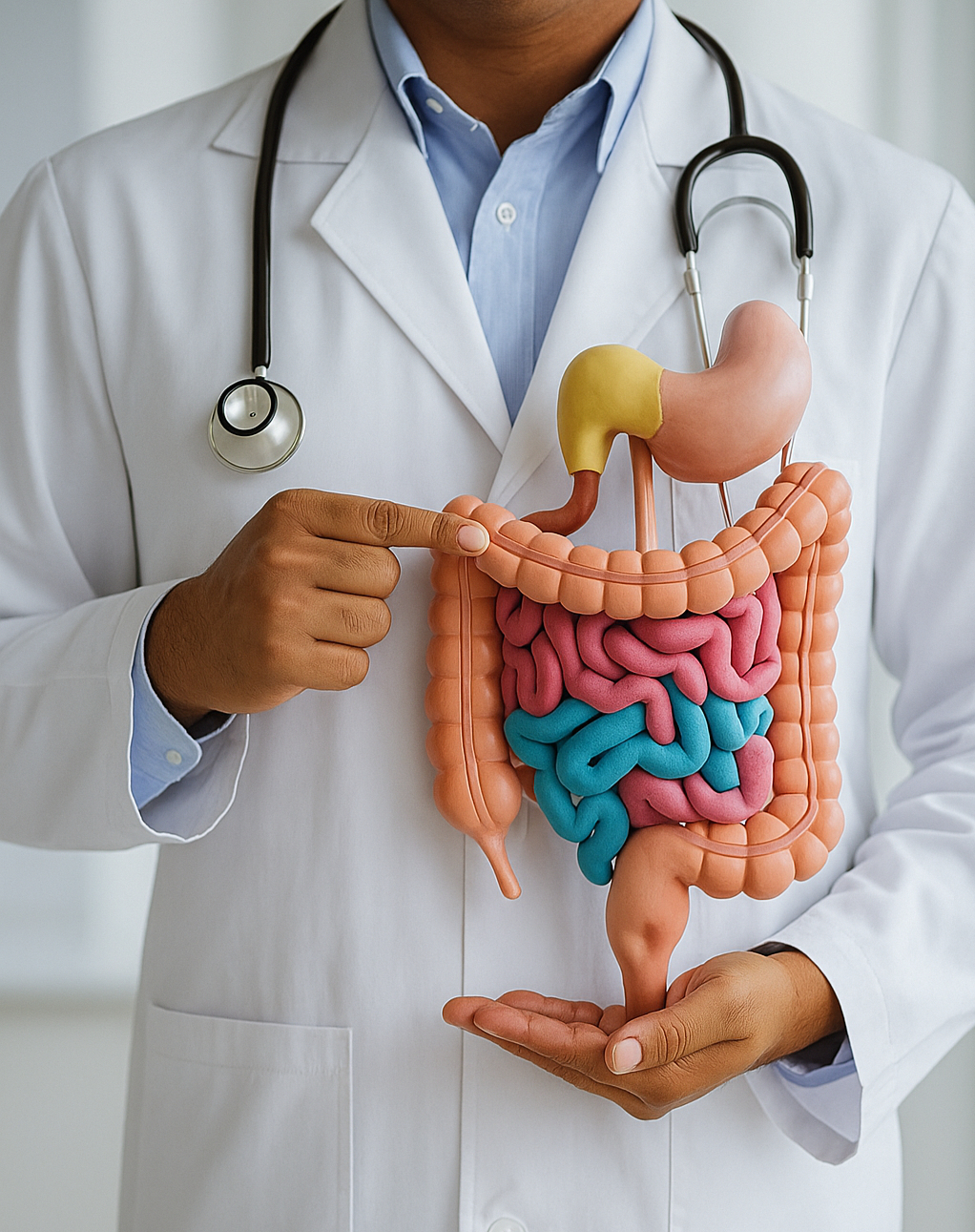
Digestive health plays a crucial role in maintaining overall well-being. Many people experience stomach discomfort, acidity, bloating, or irregular bowel movements but often ignore these symptoms until they become severe. This is when people usually start searching online for a gastroenterologist near me to get expert advice and proper diagnosis. Gastroenterologists specialize in treating disorders of the digestive system, including the stomach, intestines, liver, pancreas, and gallbladder. Early consultation with a specialist can help detect problems at an early stage and prevent long-term complications.
What Does a Gastroenterologist Do?
A gastroenterologist is a medical specialist trained to diagnose and treat conditions affecting the digestive tract. These professionals commonly manage issues such as acid reflux, ulcers, irritable bowel syndrome, inflammatory bowel disease, and liver disorders. They also perform procedures like endoscopy and colonoscopy to identify internal digestive problems. In many cases, a patient may first visit a doctor from the general medicine department who evaluates the symptoms and then refers the patient to a gastroenterologist for advanced evaluation and treatment.
Common Digestive Disorders People Experience
Digestive disorders are more common than many people realize. According to health studies, millions of people worldwide suffer from conditions such as gastritis, acid reflux, and chronic constipation. Persistent abdominal pain, unexplained weight loss, blood in the stool, and prolonged indigestion are warning signs that require medical attention. When these symptoms appear frequently, searching for a qualified gastroenterologist near me can help ensure timely diagnosis. Proper treatment not only improves digestive health but also enhances overall quality of life.
Diagnostic Tests Used in Gastroenterology
Modern healthcare has introduced several advanced diagnostic procedures that help doctors detect digestive diseases accurately. Endoscopy is one of the most common tests used to examine the esophagus, stomach, and upper intestine. Colonoscopy helps detect colon polyps, inflammation, and early signs of colorectal cancer. Imaging tests such as ultrasound, CT scans, and blood tests also support the diagnostic process. In complex cases where surgical intervention may be required, patients may also consult a general surgeon near me to evaluate whether surgery is necessary for treatment.
Importance of Early Detection and Preventive Care
Early detection plays a vital role in preventing serious digestive conditions. Many gastrointestinal diseases develop slowly and may not show obvious symptoms in the early stages. Routine health checkups and timely consultation with a specialist can help detect diseases before they become severe. For example, early detection of colon polyps can prevent colorectal cancer. Similarly, liver diseases identified early can often be managed effectively with medication and lifestyle changes. Preventive care, healthy eating habits, and regular screenings significantly reduce the risk of severe digestive problems.
Collaboration Between Different Medical Specialists
Digestive health issues sometimes require collaboration between multiple medical specialists. For instance, patients diagnosed with digestive cancers may require the guidance of a medical oncology doctor for cancer-related treatments. Similarly, certain digestive complications may affect the urinary system, requiring consultation with experienced urology surgeons. This collaborative approach ensures that patients receive comprehensive care and benefit from the expertise of multiple specialists working together to achieve the best possible outcomes.
Lifestyle Habits That Support Digestive Health
Maintaining a healthy digestive system requires consistent lifestyle habits. Eating a balanced diet rich in fiber, fruits, vegetables, and whole grains helps support gut health. Drinking enough water throughout the day aids digestion and prevents constipation. Regular physical activity also plays a significant role in keeping the digestive system functioning properly. In addition, limiting processed foods, excessive caffeine, and alcohol can reduce the risk of digestive disorders. Stress management is equally important because chronic stress can worsen conditions such as acid reflux and irritable bowel syndrome.
When Should You Consult a Specialist?
While occasional digestive discomfort is normal, persistent symptoms should never be ignored. Individuals should consider consulting a specialist if they experience chronic heartburn, difficulty swallowing, ongoing stomach pain, frequent vomiting, or sudden changes in bowel habits. These symptoms could indicate underlying medical conditions that require professional evaluation. Searching for a reliable gastroenterologist near me allows patients to receive specialized care and targeted treatment plans based on their specific health needs.
The Role of Rehabilitation and Recovery
Digestive disorders sometimes require a recovery period, especially after surgery or severe illness. During this time, supportive therapies and rehabilitation can help restore strength and improve overall physical health. Gentle exercises, posture correction, and guided recovery programs often play a supportive role in the healing process. In many cases, rehabilitation programs that include physiotherapy services can help patients regain mobility, reduce discomfort, and improve their overall quality of life while recovering from digestive or surgical treatments.
FAQs
What symptoms indicate that I should see a gastroenterologist?
Persistent stomach pain, chronic heartburn, bloating, blood in the stool, unexplained weight loss, and frequent digestive discomfort are common signs that you should consult a gastroenterologist.
Do I need a referral to see a gastroenterologist?
In many cases, patients first consult a doctor from the general medicine department who evaluates their symptoms and then recommends visiting a gastroenterologist for specialized treatment.
What tests are commonly performed by gastroenterologists?
Common diagnostic tests include endoscopy, colonoscopy, blood tests, imaging scans, and stool analysis to identify digestive disorders accurately.
Can digestive disorders require surgery?
Yes, certain conditions such as severe gallbladder disease, intestinal blockages, or advanced gastrointestinal problems may require evaluation by a general surgeon near me for possible surgical treatment.
Can lifestyle changes improve digestive health?
Yes, maintaining a balanced diet, exercising regularly, staying hydrated, managing stress, and seeking timely medical care can significantly improve digestive health and prevent complications.
Digestive health is an essential component of overall wellness, and ignoring symptoms can lead to serious complications over time. Seeking timely medical advice from a qualified specialist ensures that digestive conditions are diagnosed early and treated effectively. Whether it involves lifestyle adjustments, medication, or surgical procedures, proper medical guidance can significantly improve long-term health outcomes. If digestive symptoms persist or worsen, consulting a trusted specialist is the best step toward recovery and better well-being.