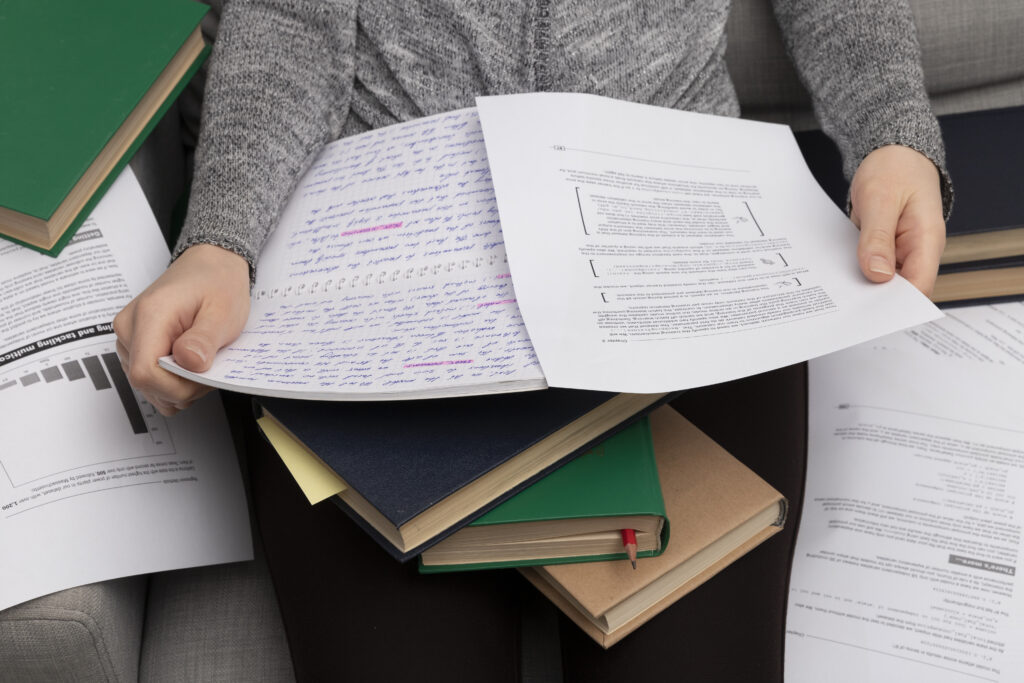
The Struggles of Editing and Proofreading Long Research Papers
The editing and proofreading of long research papers can sometimes feel very difficult for many students. There are so many pages to check, so many ideas to reread, and so many small mistakes to fix.
Students often end up feeling tired and confused because the work takes too much time. Simple steps, tools, and professional support from reputable services like write my dissertation for me UK make the process easier. Understanding common problems helps in remaining calm. A positive mindset takes away the struggles of a long task and makes it easier.
Why Does Editing Long Papers Feel Overwhelming?
Writing is much more than ink on paper. Rather, it is an art, a skill, and at times even a science. (writers, 2025) Therefore, many students feel stressed while editing long papers because there is much to review. This is not only about those topics that lack data, but also about many Google Scholar research proposal topics. They want to do this perfectly, but that extra pressure makes them more stressed.
Managing Large Amounts of Information
Students work slowly when they have to review very long papers containing numerous ideas. They have to understand every point, correct every line, and make the writing clear. When the information becomes too much, it tires the brain.
Many students lose their concentration and begin to miss mistakes. Breaking the paper into smaller parts does help in this regard. It seems easier to read one section at a time. Patience and simple planning mean that students can understand the large content more confidently and with more clarity.
Fixing Recurring Errors Throughout Multiple Pages
Long research papers have repetitive grammatical or spelling errors. The students feel frustrated because they have to make the same corrections over and over again. This takes a lot of time and energy.
Sometimes they miss mistakes because their eyes get tired. Using a checklist can help them notice common patterns and deal with the challenges of proofreading. Reading aloud can also help them hear mistakes. When students take breaks and return with fresh minds, they can correct repeated errors more clearly with better focus.
Keeping Focus When the Paper Is Very Long
Working on a multi-paged paper is very mentally challenging. The text appears to be very long and heavy; this often leads to the loss of attention among students. Once concentration slips away, mistakes begin to slip through rather easily.
Short breaks, hydration, or reading position changes can refresh the brains of students. They might even highlight key information so as not to be passive in their reading. Slowing down while working and being cautious helps them complete the editing without getting lost or exhausted too quickly.
Why Students Find Proofreading Difficult?
The thing is that Proofreading in a UK university seems to be difficult because long papers contain lots of tiny mistakes. Students have to read slowly, check everything with caution, and not get distracted. However, if students proofread their writing, they will reduce the number of mistakes and produce well-formed pieces of writing free from mistakes. (Bouachiba, 2021)
Difficulty in Spotting Small Grammatical Errors
Small grammatical errors are difficult to spot, especially in lengthy papers. When students read quickly, they skip over the tiny errors. Small mistakes alter meaning and affect clarity. Students can catch more issues by reading slowly, such as sentence by sentence. Reading the text backward helps students focus on individual words. Grammar tools give extra support, but careful human checking is still needed. Practice and patience help students notice those problems a bit easier.
Reading the Same Lines Again and Again
Students tend to read the same lines several times while re-reading long papers. This is boring and exhausting. The brain gets so accustomed to the text that it stops seeing mistakes clearly. Taking short breaks helps students return with fresh eyes.
Changing font size or background colour can help them notice new errors. Reading out loud also increases their focus. These simple steps make the repetitive reading less stressful and help the students catch some errors that previously were not seen.
Citations and Formatting – Corrected
It takes a lot of time to cite and format because each style has strict rules. Students get confused between APA, MLA, Harvard, and Chicago styles. They need to check the spacing, punctuation, and order carefully.
One tiny mistake can make the reference wrong. Online citation guides help the students fix such errors quickly. Taking time reviewing every reference slowly also helps in accuracy. When students stay patient and organised, they can spot and correct the mistakes related to citation confidently.
Staying Motivated When Editing the Paper
It is not easy to stay motivated during long editing sessions. Students can feel tired or want to give up. Setting small goals helps them continue. For example, they can review only two pages at a time.
Rewarding themselves after each part keeps the process positive. Having a clean and quiet space also improves motivation. When students remember their final goal to create a clear and strong paper-they feel more encouraged. Seeing their work improving step by step helps students maintain their motivation.
Using Tools and Checklists to Make Editing Easier
Tools and checklists make editing simpler. Grammar tools assist students in picking up mistakes that they otherwise could not see or identify themselves. Checklists point out what to review, such as grammar, spelling, tone, and references. These save them time and reduce the stress of reviewing their work.
Students feel confident when they know what steps are involved in reviewing an assignment. Even simple checklists help them keep organised. When technology and planning combine, the process of editing is easy for students to digest with long research-type papers.
Conclusion
Long research papers are difficult to edit and proofread, but with simple steps and a calm mind, students can do just fine with them. The process can get less stressful if they work slowly, take breaks, and apply helpful tools. Asking for support from teachers or friends also makes a big difference. Each little improvement advances the paper towards its clear and strong final version. With patience and practice, students can finish their papers with confidence and more understanding.