
A balanced bite is one of the most overlooked foundations of long-term oral health. While many people focus on straight teeth or a bright smile, the way the upper and lower teeth meet plays an even deeper role in overall dental wellbeing. Residents in Wirral seeking healthier, more comfortable smiles often don’t realise that bite alignment affects everything from chewing efficiency to jaw comfort and tooth longevity. When the bite is unbalanced, daily oral function becomes strained, gradually leading to wear, sensitivity, or even more complex dental issues. Understanding bite balance is essential for anyone committed to proactive, lifelong dental health.
Understanding Bite Alignment
Bite alignment refers to how your upper and lower teeth meet when you bite or chew, and teeth whitening Wirral, with dentists assessing tooth position, jaw structure, and even pressure distribution.
A balanced bite ensures:
- Teeth meet evenly and efficiently
- The jaw joints move smoothly
- Muscles surrounding the jaw work without strain
Common bite types include:
- Normal bite – upper teeth slightly overlap lower teeth
- Overbite – excessive vertical overlap
- Underbite – lower teeth protrude ahead of upper teeth
- Open bite – front teeth don’t touch when back teeth bite down
- Crossbite – upper teeth bite inside the lower teeth
Each misalignment can affect the way the mouth functions, making proper bite analysis essential.

Why a Balanced Bite Matters
A balanced bite supports long-term dental health in multiple ways. It ensures that teeth, gums, and jaw joints work in harmony, preventing unnecessary strain or wear.
Key Benefits of a Balanced Bite
- Protects teeth from damage: Uneven pressure causes certain teeth to bear more force than others, leading to cracks, chips, and premature erosion.
- Prevents jaw discomfort and TMJ issues: When the bite is misaligned, jaw muscles work harder, which may cause tension, clicking, or chronic jaw pain.
- Improves chewing efficiency: Proper alignment allows food to be chewed thoroughly, reducing digestive strain and improving comfort when eating.
- Reduces the risk of shifting teeth: Teeth under uneven pressure tend to drift out of position, contributing to crookedness and bite changes over time.
- Promotes facial harmony: A properly aligned bite contributes to balanced facial proportions and a more symmetrical smile.
When the bite is stable, teeth last longer, the jaw works more comfortably, and oral health becomes easier to maintain.
Common Symptoms and Signs of Bite Problems
Many people live with bite issues without realising it, assuming symptoms are unrelated or temporary. Recognising early signs can prevent larger problems later.
Possible Symptoms of an Unbalanced Bite
- Frequent headaches or jaw soreness
- Clicking or popping in the jaw
- Teeth grinding or clenching at night
- Uneven tooth wear
- Tooth sensitivity due to enamel loss
- Difficulty biting or tearing food
- Gum recession around certain teeth
- Feeling like the bite “doesn’t sit right”
A dentist in Wirral can evaluate these signs to determine whether the bite is contributing to ongoing discomfort or damage.
Causes of Bite Imbalance
Several factors can influence how the bite develops or changes over time.
Common Causes Include:
- Genetics and natural jaw development
- Childhood habits, such as thumb sucking or prolonged dummy use
- Missing teeth left unreplaced
- Jaw trauma or injury
- Untreated orthodontic problems
- Grinding or clenching
- Natural tooth movement with age
Understanding the cause of the imbalance helps dentists create a precise and effective treatment plan.
How Dentists in Wirral Diagnose Bite Issues
Modern dentistry uses advanced tools and techniques to accurately diagnose bite problems. A detailed assessment allows clinicians to understand both functional and aesthetic concerns.
Diagnostic Methods
This comprehensive approach ensures that every element influencing the bite is carefully evaluated.
Treatment Options for Correcting Bite Imbalance
Addressing bite problems early helps protect long-term dental health. Treatment varies depending on whether the issue relates to tooth position, missing teeth, jaw function, or wear.
Common Treatment Options
- Orthodontics: Braces or clear aligners can reposition teeth and correct crowding, spacing, or bite discrepancies.
- Restorative dentistry: Crowns, composite bonding, or only can rebuild worn or misshaped teeth, restoring proper contact.
- Bite adjustment (equilibration): Minor reshaping of enamel to even out high spots and correct bite interference.
- Replacement of missing teeth: Implants, bridges, or partial dentures prevent shifting and restore balance.
- Splint or night guard therapy: Helpful for grinding, clenching, or jaw tension associated with bite problems.
A dentist tailors treatment to ensure improved function, reduced discomfort, and long-term stability.
Daily Habits to Maintain a Balanced Bite
Supporting your dental treatment at home helps maintain results and protect your teeth.
Helpful Everyday Practices
- Avoid chewing hard objects such as ice, pens, or fingernails
- Manage stress to reduce jaw clenching
- Wear dentist-recommended night guards if grinding is present
- Maintain routine dental check-ups to monitor alignment
- Replace missing teeth promptly
- Avoid frequently switching chewing sides out of habit
Small adjustments can make a big difference in long-term bite balance.
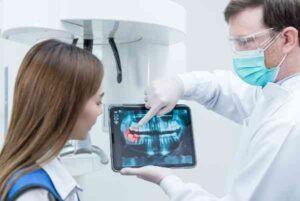
The Broader Wellbeing Benefits of a Balanced Bite
A well-balanced bite influences far more than the teeth alone, it supports comfort, confidence, and overall facial harmony. Many patients notice that improving bite alignment not only enhances oral function but also boosts daily comfort and appearance. In cosmetic dentistry, photography-based assessments help visualise changes and track progress effectively.
Key advantages include:
Better facial symmetry .Enhanced results from cosmetic treatments . Improved support for procedures like Teeth Whitening Wirral . Greater impact alongside laser hair removal in Wirral , Stronger long-term oral structure
Together, these benefits create a polished, confident, and well-balanced look.
Conclusion
A balanced bite is essential for protecting your teeth, maintaining jaw comfort, and ensuring long-term oral health. With expert guidance, personalised assessments, and advanced treatment options, individuals in Wirral can achieve a stable, comfortable, and healthy bite for years to come. By prioritising bite alignment as part of your overall dental care, BTWD Group ensure a strong foundation for your smile’s future. Wirral stands ready to support you on your journey to long-term oral wellbeing.