Supply chains were never silent systems. Even ten years back, they made noise when something went wrong. A missed shipment. A delayed warehouse handover. Paperwork stuck at the wrong desk. But now the noise is constant. Demand shifts fast. Clients ask questions faster. And operations do not get the luxury of slowing down.
This is where 3PL Supply Chain Management steps in, not as a trend word, but as a working necessity.
Many businesses reach a point where internal teams start feeling stretched. Storage planning, movement scheduling, compliance checks, reporting. Everything piles up at once. At that stage, managing supply chain activities internally stops feeling efficient and starts feeling risky.
Outsourcing parts of the chain is not about letting go of control. It is about tightening it.
Why supply chains feel heavier today
The pressure is not imaginary. Volumes move across more locations than before. Timelines are shorter. Documentation rules keep changing. And one delay somewhere quietly affects five other steps.
Earlier, one warehouse and a small transport network handled most needs. That model struggles now. Not because teams are weak, but because systems are overloaded.
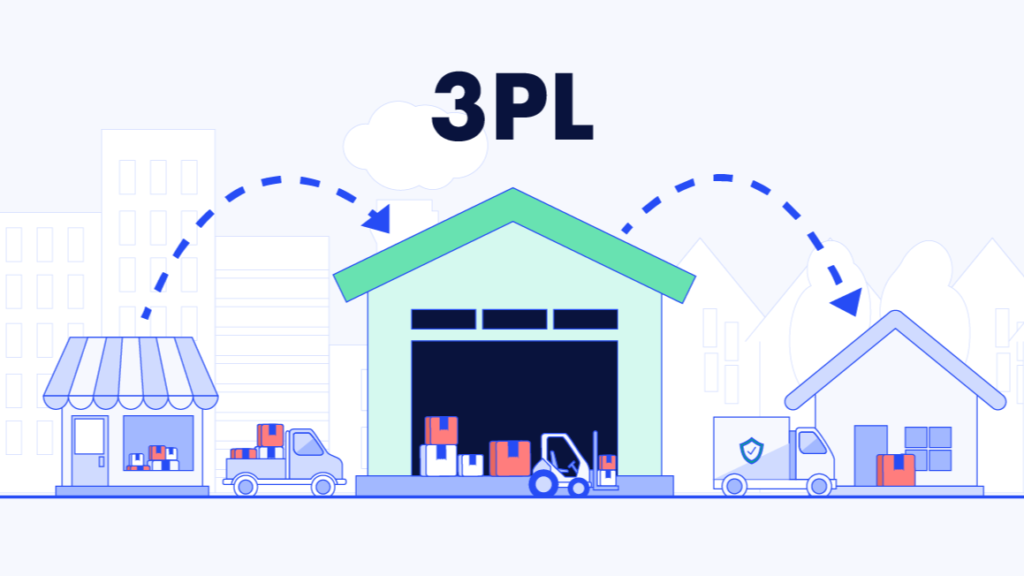
3PL Supply Chain Management spreads this pressure. Planning, storage, movement, and tracking stop living in silos. Everything talks to everything else.
That connection matters.
What a 3PL partner actually does day to day
People often think third-party logistics means only storage and transport. That is only the surface.
A serious 3PL setup handles inventory flow, space planning, route coordination, compliance tracking, and data reporting under one operational umbrella. When one part changes, the rest adjusts.
For example, if dispatch volume spikes suddenly, warehouse labor, vehicle availability, and documentation flow change together. No phone calls flying around. No guesswork.
This coordination is the backbone of 3PL Supply Chain Management. It removes the blind spots that internal teams struggle with when everything grows at once.
Technology changed expectations, not just tools
Spreadsheets had their time. They still exist. But they no longer answer real-time questions.
Where is the shipment right now?
Which location is close to capacity?
What moved today versus what stayed stuck?
Modern 3PL operations run on integrated systems. Dashboards update automatically. Alerts flag issues before they turn visible to clients. Reports are pulled in minutes, not days.
This shift changed expectations. Businesses no longer want monthly updates. They want visibility while things are happening.
And 3PL Supply Chain Management supports that rhythm naturally, because technology is already built into the workflow.
Compliance and documentation are no longer side tasks
Rules around storage, movement, and handling are strict. Especially in sectors like healthcare, chemicals, and regulated materials. One missing document or one incorrect entry can stop everything.
Managing this internally drains time. Teams double-check, triple-check, and still worry.
3PL providers live inside these rules daily. Their systems, training, and audits revolve around compliance. Documentation does not sit at the end of the process. It moves alongside operations.
This is not about paperwork. It is about continuity.
Scaling without chaos
Growth sounds exciting. Until it arrives unannounced.
One new region. One new client. One seasonal spike. Suddenly the old setup starts creaking.
3PL Supply Chain Management allows scaling without rewriting everything. New locations plug into existing systems. Processes stay familiar even as volumes change.
This flexibility matters more than speed. Speed without structure breaks quickly.
And businesses that plan long-term value consistency over short-term expansion tend to lean toward 3PL partnerships early, not after problems start.
Data stops being decorative
Many companies collect data. Few use it properly.
In a 3PL environment, data becomes operational fuel. It answers questions before they turn into issues. Storage utilization trends. Movement delays. Process bottlenecks.
One study by Gartner noted that companies using integrated logistics data reduce operational disruptions significantly compared to fragmented systems. Numbers aside, the difference is felt on the ground. Fewer surprises. Fewer late nights.
Data is not stored for presentations. It is used to make tomorrow smoother than today.
Industry-specific handling matters more than people admit
Not all inventory behaves the same. Healthcare storage has different requirements than industrial materials. Temperature control, access logs, audit trails.
General setups struggle here.
3PL Supply Chain Management works because specialization is baked in. Teams understand handling protocols. Facilities are designed around specific needs. Training is ongoing, not reactive.
This reduces operational anxiety. Teams know what is expected. Clients know standards are met.
Internal teams get room to breathe
This part is often overlooked.
When logistics operations sit entirely inside a company, leadership spends too much time firefighting. Decisions stay tactical instead of strategic.
With a strong 3PL partner, internal teams focus on planning, forecasting, and customer relationships. Execution runs smoothly in the background.
Not invisible. Just stable.
That stability is valuable.
Trust builds slowly, then everything clicks
The first months of a 3PL partnership involve adjustment. Processes align. Communication settles. Expectations get clearer.
Then something interesting happens. Issues reduce. Reporting becomes predictable. Meetings focus on improvement, not explanation.
This is when 3PL Supply Chain Management shows its real strength. It stops feeling external. It starts feeling like an extension of the business itself.
Not perfect. Nothing is. But reliable enough that people stop worrying about it daily.
Why this shift is not reversing
Some trends fade. This one does not.
As supply chains grow more connected and regulated, managing everything internally becomes harder, not easier. 3PL models continue to evolve, supported by technology, compliance expertise, and operational depth.
Businesses that adopt structured 3PL Supply Chain Management early gain rhythm. Those who delay often arrive under pressure.
At the end of the day, smooth movement, clear visibility, and steady execution matter more than who owns the warehouse keys. What matters is that the system works, even on days when nothing goes as planned.