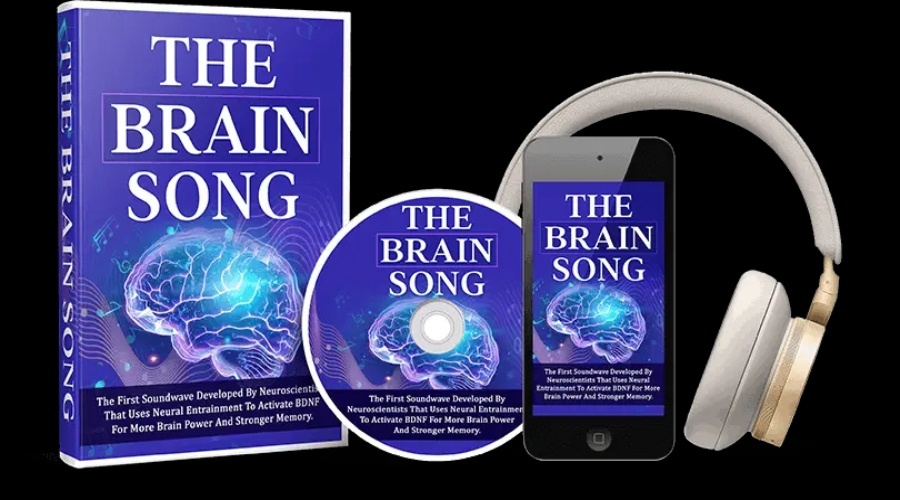
the brain song
In today’s fast-paced, information-heavy world, maintaining cognitive balance has become a growing concern for many people. Long work hours, constant screen exposure, irregular sleep, and ongoing stress can leave the mind feeling overwhelmed, unfocused, or mentally fatigued. As a result, interest has grown in non-invasive, non-chemical tools that support mental wellness in a gentle, lifestyle-friendly way.
One concept gaining attention is The Brain Song—an audio-based approach designed to support cognitive balance through sound. Unlike supplements, devices, or medical treatments, this method relies entirely on carefully structured audio experiences. It does not introduce anything into the body, nor does it claim to diagnose, treat, or cure any condition. Instead, it aims to work alongside natural brain processes using sound patterns.
This guest post explores what cognitive balance means, how sound can influence mental states, and what you should realistically know about audio-based approaches like The Brain Song—without hype, medical claims, or exaggerated promises.
Understanding Cognitive Balance
Cognitive balance refers to a state in which different mental functions—such as focus, relaxation, memory, emotional regulation, and alertness—work together smoothly. When cognitive balance is present, people often describe feeling mentally clear, calm, and capable of shifting between tasks without excessive strain.
When balance is disrupted, common experiences may include:
-
Difficulty concentrating
-
Mental fatigue
-
Restlessness or overthinking
-
Trouble relaxing or winding down
-
Feeling mentally “scattered”
These experiences are increasingly common due to modern lifestyle pressures rather than underlying medical conditions. For this reason, many individuals look for supportive wellness tools that fit naturally into daily routines.
Why Cognitive Overload Is So Common Today
Modern environments place unique demands on the brain that previous generations did not face. Some of the most common contributors include:
Constant Digital Stimulation
Smartphones, notifications, emails, and social media expose the brain to continuous input, limiting mental rest.
Multitasking Culture
Switching rapidly between tasks may feel productive, but it often reduces deep focus and mental clarity.
Irregular Rest Patterns
Inconsistent sleep schedules and late-night screen use can affect mental recovery.
Chronic Stress Exposure
Ongoing low-level stress can keep the brain in a heightened state of alertness, making relaxation difficult.
Because these factors are lifestyle-driven, many people prefer lifestyle-based solutions—such as guided audio experiences—rather than invasive or chemical options.
The Role of Sound in Mental States
Sound has influenced human mental states for centuries. From rhythmic drumming in ancient cultures to calming music used in meditation practices, audio has long been associated with emotional and mental shifts.
Modern research and wellness exploration suggest that certain sound patterns may help encourage:
-
Relaxation
-
Focused attention
-
Calm alertness
-
Mental grounding
This does not mean sound “forces” the brain to change. Rather, it may provide an environment that encourages the brain to settle into a particular rhythm naturally.
The Brain Song is an audio-based experience, not a supplement, medication, or medical device. It is designed to be listened to, typically through headphones or speakers, as part of a daily or periodic routine.
Key characteristics include:
-
No ingestion or physical intervention
-
No stimulants or chemicals
-
No equipment beyond basic audio playback
-
Designed for personal listening environments
The concept behind The Brain Song focuses on structured sound patterns that aim to support a balanced mental state over time.
How Audio-Based Approaches Aim to Support Cognitive Balance
Audio-based cognitive tools typically rely on principles such as rhythm, frequency, and consistency. While experiences vary from person to person, the general idea involves:
Encouraging Mental Relaxation
Certain audio patterns may help signal the brain that it is safe to slow down, which can support calm awareness.
Supporting Focused Attention
Rather than overstimulation, structured sound may help reduce mental “noise” and distractions.
Promoting Routine and Consistency
Listening to audio at set times can create a mental cue for focus or relaxation, reinforcing balance through habit.
Reducing External Distractions
Wearing headphones or focusing on sound can temporarily limit environmental interruptions.
It is important to note that these effects are subjective and supportive in nature, not guaranteed or medical in scope.
What The Brain Song Is Not
For clarity and transparency, it’s helpful to understand what The Brain Song does not claim to be:
-
❌ Not a medical treatment
-
❌ Not a cure for cognitive or neurological conditions
-
❌ Not a replacement for professional care
-
❌ Not a supplement or pill
Instead, it is best viewed as a wellness-oriented audio tool that may complement healthy lifestyle habits.
Who May Be Interested in Audio-Based Cognitive Tools
People who often explore audio-based approaches like The Brain Song include:
-
Busy professionals seeking mental clarity
-
Individuals working in high-focus environments
-
Students looking for calm study routines
-
Wellness-focused users avoiding stimulants
-
People interested in mindfulness without structured meditation
These users are typically looking for gentle support rather than dramatic or instant results.
How to Use Audio Like The Brain Song in Daily Life
Audio-based wellness tools are generally easy to incorporate into everyday routines. Common usage approaches include:
Choose a Consistent Time
Listening at the same time each day helps reinforce mental associations.
Create a Calm Environment
A quiet space with minimal interruptions can improve the listening experience.
Use Comfortable Audio Settings
Moderate volume levels are usually recommended for comfort.
Allow Time for Adjustment
Like many wellness practices, consistency over time matters more than one-time use.
Users often pair audio listening with relaxed breathing, light stretching, or quiet reflection.
Audio vs Other Cognitive Wellness Approaches
When comparing audio-based tools to other cognitive wellness options, several distinctions stand out:
Audio vs Supplements
Audio involves no ingestion and avoids concerns related to tolerance, digestion, or interactions.
Audio vs Devices
No wearable technology or setup is required beyond basic playback.
Audio vs Stimulants
Rather than increasing alertness artificially, audio approaches aim to support natural mental states.
Audio vs Quick Fixes
Audio tools typically focus on gradual, habit-based support rather than immediate effects.
This makes audio appealing to those who value simplicity and low commitment.
Setting Realistic Expectations
One of the most important aspects of using audio-based wellness tools is maintaining realistic expectations.
What users often report:
-
Gradual sense of calm or focus
-
Improved awareness of mental state
-
Easier transitions into relaxation
What should not be expected:
-
Instant transformation
-
Guaranteed results
-
Replacement for sleep, nutrition, or professional support
Individual experiences vary based on lifestyle, consistency, and personal sensitivity to sound.
Frequently Asked Questions
Is The Brain Song safe to listen to daily?
For most people, listening to non-invasive audio at comfortable volumes is generally considered low risk. Users should always listen responsibly and discontinue if discomfort occurs.
How long before noticing changes?
Audio-based approaches are typically gradual. Some people notice subtle shifts early, while others may require consistent listening over weeks.
Can it be used alongside other wellness practices?
Yes. Audio tools are often used alongside mindfulness, exercise, proper sleep, and healthy routines.
Do I need special equipment?
No specialized equipment is required. Standard headphones or speakers are usually sufficient.
The Importance of Lifestyle Support
While audio tools like The Brain Song can be part of a wellness routine, cognitive balance is best supported through a broader lifestyle approach that includes:
-
Regular sleep patterns
-
Balanced nutrition
-
Stress management
-
Physical movement
-
Periods of mental rest
Audio should be viewed as a supportive layer, not a standalone solution.
Final Thoughts on The Brain Song and Cognitive Balance
The Brain Song represents a growing interest in non-invasive, audio-based approaches to mental wellness. By focusing on sound rather than substances or devices, it aligns with a lifestyle-oriented view of cognitive balance.
For individuals seeking a gentle, low-effort way to support calm focus and mental clarity, audio experiences may offer value—especially when paired with healthy daily habits. While results vary and expectations should remain realistic, tools like The Brain Song reflect a broader shift toward simple, accessible wellness practices that respect the body’s natural rhythms.