Tattoo Removal London has become one of the fastest-growing aesthetic treatments in London and across the UK. Whether it’s due to a change in personal style, fading memories associated with old ink, career considerations, or simply a desire for a fresh start, many people are choosing to remove unwanted tattoos.
But how safe and effective are these procedures, especially in a bustling city like London? This guide unpacks everything you need to know before booking your first consultation.
Understanding Tattoo Removal: What It Is and How It Works
The most common and effective method for removing tattoos is laser Tattoo Removal London. Unlike old techniques like dermabrasion (scrubbing away skin layers) or chemical peels, modern laser removal targets ink particles within the skin, breaking them into tiny fragments that your body’s immune system gradually clears away. This process avoids cutting into the skin and aims to preserve the surrounding tissue.
There are different types of laser technologies used, including:
Q-Switched Lasers – Traditional but still effective lasers that emit nanosecond pulses to break up pigment.
Picosecond Lasers (e.g., PicoWay, PicoSure) – More advanced systems that deliver ultra-short pulses to shatter ink more efficiently and often with fewer sessions.
Effectiveness: What Results Can You Expect?
Effectiveness varies depending on several factors:
Ink Colour:
Black ink typically responds best to laser treatment because it absorbs all wavelengths of light well.
Coloured inks, especially yellows, greens, and blues, can be more resistant and may require more sessions.
Tattoo Age and Depth:
Older tattoos tend to fade more easily than fresh ones. Tattoos applied deeply or heavily shaded may also need extra sessions.
Skin Type:
Different skin tones respond differently to laser wavelengths, and darker skin types may require more cautious settings to minimise pigment changes.
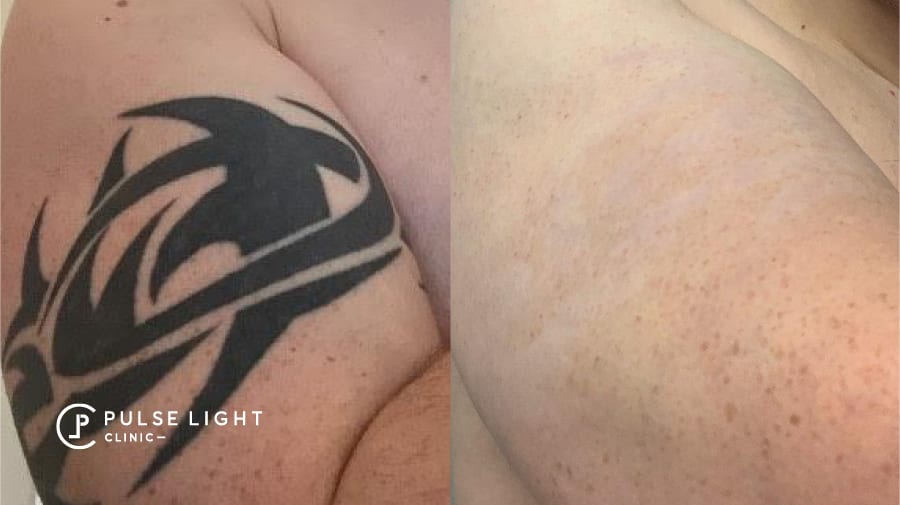
Results: Most people experience significant fading after 6–10 sessions, spaced several weeks apart. Complete removal is possible for many tattoos—but not all. Some may leave faint “ghosting” or slight shadows even after successful treatment.
Safety: What Are the Risks?
Laser Tattoo Removal Londonis widely regarded as safe when performed by qualified professionals using up-to-date equipment. However, as with any medical or cosmetic procedure, there are risks to consider:
- Common, Short-Term Effects
- These are typically mild and part of normal healing:
- Redness and swelling
- Temporary blistering or scabbing
- “Frosting” (a white appearance immediately after laser pulses)
- Less Common Risks
With proper technique and care, serious complications are rare, but can include:
Hypo- or Hyperpigmentation: Lightening or darkening of skin in the treated area.
Scarring: Very uncommon with modern lasers, but possible if aftercare instructions aren’t followed or if the skin reacts poorly.
Infection: If blistering or open wounds aren’t kept clean.
Allergic reactions: Rarely, breaking down tattoo pigment can trigger itching or rash.
According to reputable London clinics, the risk of permanent scarring is low, especially when using advanced lasers like Q-Switched or picosecond systems and experienced practitioners.
Is Laser Tattoo Removal Painful?
Most people describe the sensation as similar to a rubber band snapping against the skin—uncomfortable but brief. Cooling systems, numbing creams, and experienced technicians can make sessions more tolerable.
Pain tolerance varies widely between individuals and also depends on the body area being treated.
How Many Sessions and How Long Does It Take?
Tattoo removal is not a one-off quick fix:
Sessions: A typical course is 6–10 treatments, depending on complexity.
Timing Between Sessions: Most clinics recommend 6–10 weeks between sessions to allow your body to clear pigment and for skin to heal fully.
Because your immune system is doing much of the work, rushing sessions too close together can increase the risk of skin damage without improving results. Healing and pigment clearance require patience.
Cost of Tattoo Removal in London
Prices vary significantly based on tattoo size, colour, clinic reputation, and laser technology used. Typical per-session costs might range:
- Small designs: around £60–£100
- Medium: £100–£200
- Larger tattoos: £200 and up
Many clinics also offer packages or finance options to spread payment across the full course of sessions.
Choosing a Clinic in London
Selecting a reputable clinic with qualified staff and modern equipment is one of the most important decisions you’ll make. Here are some well-reviewed London tattoo removal providers:
Top Tattoo Removal Clinics in London
Pulse Light Clinic – Long-established, high patient volume, multiple laser technologies available.
Zapp Laser Studio – London – Highly rated for personalised treatment plans.
The Tattoo Removal Experts – Specialist tattoo removal focus.
NAAMA Studios – Tattoo Removal – Popular choice with advanced laser tech.
Cloak & Dagger Tattoo Removal – Smaller boutique clinic with excellent reviews.
Your Laser Clinic and Laser Garden London – Other quality local options.
London Laser and Pigmentation and The Removal Clinic – Additional reputable providers.
Bianco Beauty Soho and Tattoo Removal Service (dermatologist) – Clinics with a broader aesthetic service range.
Tip: Look for clinics that include a patch test before your first full session. This helps assess how your skin responds and can reduce the risk of adverse effects.
Aftercare: Enhancing Safety and Results
Aftercare is as important as the procedure itself. Typical guidance includes:
Keep the area clean and dry for a few days.
Avoid picking scabs or blisters.
Apply recommended ointments and dressings.
Avoid sun exposure and use SPF once healed.
Avoid swimming pools, saunas, or intense workouts immediately after treatment.
Failing to follow aftercare can increase the risk of complications and slow healing.
Final Thoughts: Is Tattoo Removal Worth It?
Tattoo removal in London has become safer, more efficient, and more accessible than ever, thanks to advances in laser technology and growing expertise among practitioners. While results can vary depending on ink colour, tattoo age, and skin type, many people achieve significant fading or complete removal with minimal risk when treatments are done correctly.