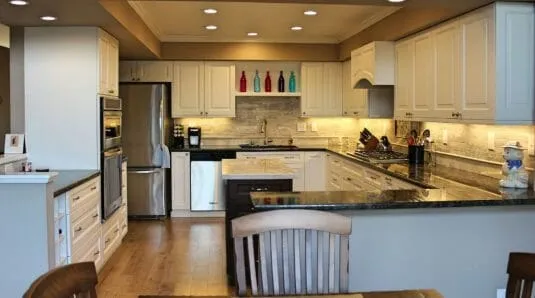
When planning a kitchen upgrade, homeowners often look for ideas that balance style, function, and long-term value. Kitchen Remodeling Cupertino projects are known for blending innovation with practical design, especially when incorporating classic elements like face frame cabinets into contemporary layouts. Whether you’re updating a small cooking space or redesigning a large open kitchen, the right approach can make a noticeable difference in daily living.
Understanding Your Kitchen’s Core Needs
Before jumping into materials and finishes, it’s important to evaluate how your kitchen is actually used. Think about your cooking habits, storage challenges, and how often you entertain guests. A well-planned remodel starts with identifying pain points—limited counter space, poor lighting, or outdated storage solutions.
Workflow and Functionality First
A functional layout should support movement between key areas like the stove, sink, and refrigerator. This classic “work triangle” concept still holds value, but modern kitchens often expand beyond it with added zones for prep, dining, or even remote work.
Choosing the Right Cabinet Style
Cabinets play a major role in both the appearance and usability of a kitchen. They set the tone for the entire space and determine how efficiently items are stored and accessed.
Traditional Meets Modern
While sleek, frameless cabinets are popular, many homeowners prefer a more structured look. Face frame construction offers durability and a timeless appeal, making it suitable for both transitional and traditional designs. It also allows for more detailed finishes and hardware options, giving your kitchen a personalized touch.
Materials That Balance Style and Durability
Selecting materials is about more than just looks. Kitchens experience heat, moisture, and heavy use, so durability is essential.
Countertops and Surfaces
Quartz remains a top choice for its low maintenance and resistance to stains, while natural stone adds a unique visual texture. For backsplashes, ceramic tiles and glass options provide both protection and aesthetic appeal.
Flooring That Lasts
Hardwood flooring brings warmth, but engineered wood or luxury vinyl can offer better resistance to moisture. The goal is to find a balance between visual consistency and practical performance.
Lighting That Enhances Every Detail
Lighting is often overlooked, yet it significantly impacts how a kitchen feels and functions. A layered approach works best, combining ambient, task, and accent lighting.
Task Lighting for Efficiency
Under-cabinet lighting improves visibility for food prep, while pendant lights above islands add both function and style. Proper lighting placement reduces strain and makes everyday tasks easier.
Storage Solutions That Maximize Space
Even larger kitchens can feel cluttered without proper storage planning. Smart solutions can help keep everything organized without sacrificing accessibility.
Custom Storage Features
Pull-out shelves, deep drawers, and corner organizers make it easier to use every inch of available space. Vertical storage options are especially helpful in compact kitchens, allowing you to store more without crowding the layout.
Adding Personality Through Finishes
A kitchen should reflect your personal style while remaining practical. Small details can make a big impact without overwhelming the design.
Hardware and Fixtures
Handles, faucets, and lighting fixtures act as finishing touches that tie the entire look together. Matte finishes offer a modern feel, while polished metals create a more classic appearance.
Planning for Long-Term Value
A kitchen remodel is an investment, so it’s important to think beyond current trends. Focus on choices that will remain appealing and functional over time.
Timeless Over Trendy
Neutral color palettes, durable materials, and flexible layouts tend to age better than bold, trend-driven designs. This ensures your kitchen remains attractive and useful for years to come.