What the Serengeti Plains Look Like from Above — and What It Means for Wildlife
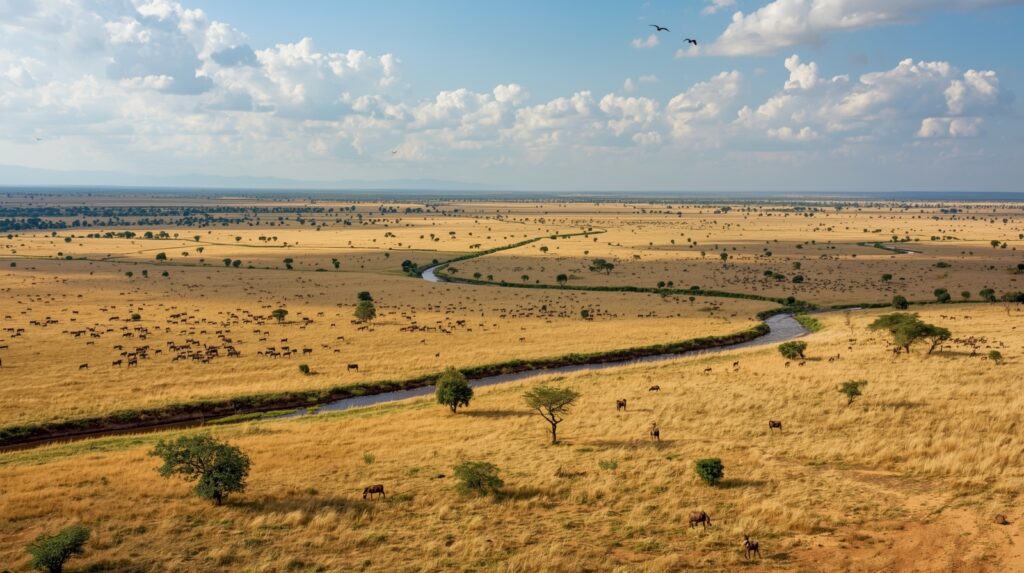
When people imagine the Serengeti, they often picture endless grasslands filled with wildlife. While this image captures the beauty of the region, viewing the landscape from above offers a much deeper understanding of its true scale and ecological importance. From the sky, the Serengeti reveals a vast network of plains, rivers, woodlands, and seasonal grazing areas that support one of the most dynamic ecosystems in the world.
Aerial views show how animals move across the region in organized patterns that follow natural resources. When travelers examine the serengeti plain on a map, they begin to understand how wildlife migrates across thousands of square kilometers in search of food and water. This aerial perspective highlights the interconnected nature of the ecosystem and explains why the Serengeti supports such an incredible variety of species.
Seeing the Serengeti from above also helps researchers and conservationists track animal movements, monitor environmental changes, and protect wildlife habitats more effectively.
Understanding the Size and Structure of the Serengeti Plains
The Serengeti ecosystem covers an enormous area that stretches across northern Tanzania and into Kenya. From ground level, visitors see open plains that appear endless, but aerial views reveal a much more complex environment. The region contains grasslands, seasonal wetlands, rocky outcrops known as kopjes, and river systems that sustain life throughout the year.
When researchers study the serengeti plain on a map, they notice that different regions support wildlife during different seasons. Some areas provide rich grazing during the rainy season, while others offer reliable water sources during dry months.
This natural variation shapes the movement of millions of animals. Wildebeest, zebras, gazelles, and other herbivores constantly move between these zones to find the best grazing conditions. Predators such as lions, cheetahs, and hyenas follow these herds, creating a dynamic ecosystem that changes throughout the year.
Understanding this geographic structure helps visitors appreciate the delicate balance that keeps the Serengeti ecosystem functioning.
How Aerial Views Reveal Wildlife Migration Routes
One of the most fascinating insights gained from aerial observations involves the migration routes of large herbivore populations. Each year, millions of animals move across the Serengeti in one of the most spectacular wildlife events on Earth.
When scientists examine the serengeti plain on a map, they identify natural pathways that migrating animals follow. These routes often connect seasonal grazing lands, water sources, and safe calving areas.
From above, long lines of animals appear like moving rivers flowing across the plains. These migrations help maintain ecological balance by distributing grazing pressure across the landscape. As herds move from one region to another, grasses regenerate and soil nutrients recycle naturally.
Aerial monitoring helps conservationists track these migration routes and identify areas that require protection from human development or environmental damage.
The Role of Rivers and Water Sources in the Ecosystem
Water plays a crucial role in shaping wildlife movement across the Serengeti. Several major rivers, including the Mara and Grumeti Rivers, create natural corridors that influence animal migration and survival.
When people look at the serengeti plain on a map, they quickly notice how rivers cut through the grasslands and provide essential water sources during the dry season. These rivers attract large concentrations of animals, which creates dramatic wildlife encounters.
River crossings during migration periods become particularly intense. Wildebeest gather along riverbanks before making dangerous crossings where crocodiles often wait below the surface. These moments demonstrate how geography directly influences wildlife behavior.
Water sources also support vegetation growth, which provides food for herbivores. Without these river systems, the Serengeti would struggle to sustain its massive animal populations.
The Importance of Kopjes and Elevated Terrain
While the Serengeti appears flat from a distance, aerial views reveal scattered rocky hills known as kopjes. These granite formations rise above the surrounding plains and provide unique habitats for various animal species.
When observers analyze the serengeti plain on a map, they notice how kopjes serve as strategic observation points for predators. Lions often rest on these rocky outcrops, using their elevated position to scan the plains for prey.
Kopjes also support plant species that cannot grow in open grasslands. Small trees, shrubs, and shade-loving plants thrive in these rocky environments. This vegetation attracts insects, birds, and small mammals, creating miniature ecosystems within the larger landscape.
These elevated formations demonstrate how even small geographic features contribute significantly to biodiversity within the Serengeti.
How Grassland Patterns Influence Animal Behavior
Grasslands dominate the Serengeti landscape, but aerial perspectives reveal that these plains contain varying grass heights, soil types, and seasonal productivity levels.
When experts review the serengeti plain on a map, they see how grazing patterns change depending on rainfall and soil fertility. Certain regions produce nutrient-rich grasses that attract large herbivore herds during specific seasons.
Wildebeest, for example, prefer short, nutrient-dense grasses that grow in southern Serengeti plains during the rainy season. As these grasses disappear during dry months, the animals migrate north in search of fresh grazing lands.
These shifting grassland patterns drive the famous migration cycle and maintain balance within the ecosystem.
Why Aerial Monitoring Helps Protect Wildlife
Modern conservation efforts rely heavily on aerial surveys and satellite mapping technologies. These tools allow scientists to track animal populations, study habitat changes, and monitor environmental threats.
By examining the serengeti plain on a map, researchers can identify important wildlife corridors that require protection. These corridors allow animals to move freely between grazing areas without encountering barriers.
Aerial monitoring also helps detect illegal activities such as poaching or unauthorized land development. Conservation teams use this information to respond quickly and protect vulnerable species.
This technology plays a vital role in ensuring the long-term survival of Serengeti wildlife and preserving one of the world’s most important ecosystems.
What This Perspective Means for Safari Travelers
Viewing the Serengeti from above does more than provide scientific insights. It also enhances the safari experience for travelers who visit the region.
Understanding the serengeti plain on a map helps visitors appreciate how wildlife movements connect different parts of the ecosystem. Instead of seeing isolated animals, travelers begin to understand the broader ecological story unfolding across the landscape.
Some safari experiences even include hot air balloon rides that allow visitors to witness the Serengeti from the sky. From this vantage point, travelers can observe herds moving across golden grasslands while rivers and kopjes create dramatic scenery below.
These aerial experiences provide unforgettable perspectives that deepen appreciation for the Serengeti’s natural beauty.
The Serengeti as a Living and Breathing Ecosystem
The Serengeti does not remain static. It constantly changes as seasons shift, animals migrate, and vegetation grows or disappears. Aerial views reveal this constant movement and highlight the interconnected relationships that sustain life in the region.
Studying the serengeti plain on a map allows researchers and visitors to understand how every part of the ecosystem contributes to the survival of its wildlife. Rivers provide water, grasslands offer food, kopjes provide shelter, and migration routes maintain ecological balance.
Together, these elements create one of the most remarkable wildlife environments on Earth.
Final Thoughts on Seeing the Serengeti from Above
Viewing the Serengeti plains from the sky reveals a landscape far more complex than most people imagine. Aerial perspectives show how geography, vegetation, and water sources work together to support millions of animals.
When people explore the Serengeti through maps, aerial imagery, or balloon safaris, they gain a deeper understanding of the ecosystem’s delicate balance. The plains become more than just beautiful scenery—they represent a living system that supports countless species.
For wildlife enthusiasts, photographers, and safari travelers, understanding this broader perspective transforms the Serengeti from a destination into an extraordinary natural phenomenon worth protecting for generations to come.