reviv
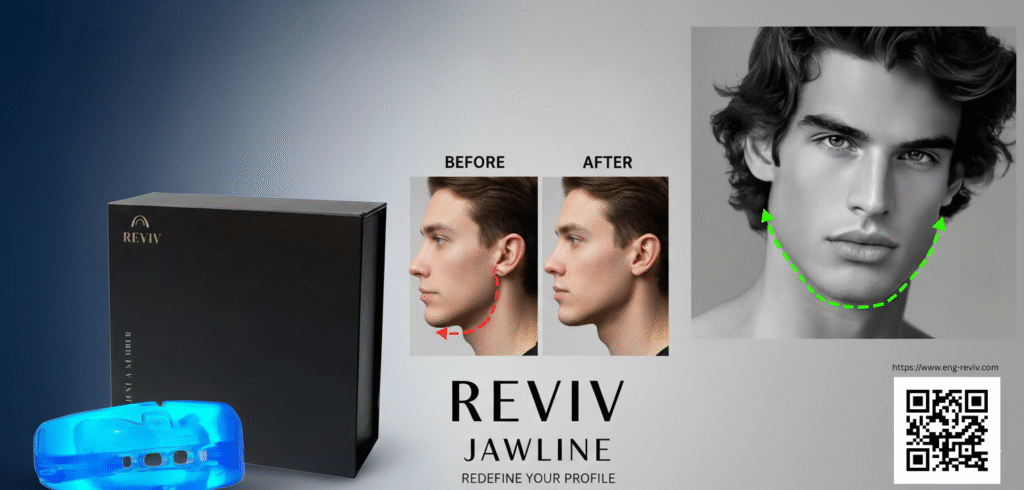
A sharp, well-defined jawline has become a symbol of youthfulness, confidence, and facial balance. While surgical procedures and injections deliver dramatic changes, many people prefer non-invasive options that support natural facial structure and skin tone. Reviv is a topical/supplement (note: specify product form on the site) marketed to help with jawline support and facial sculpting using a blend of targeted ingredients. In this guest post we’ll examine what’s in Reviv, how those ingredients are thought to work, who might benefit, realistic expectations for results, safety considerations, and practical tips for maximizing outcomes.
Note: This article summarizes ingredient research and common user experiences. It does not replace medical advice. If you have medical conditions or are taking medications, consult a healthcare professional before starting any new supplement or topical regimen.
What is Reviv and how is it positioned?
Reviv is presented as a non-surgical option to improve jawline definition and facial contour. Depending on the product variant, Reviv may be a dietary supplement taken orally, a topical serum applied along the jawline, or a system combining both approaches (check the official product listing for exact formulation and usage). The product aims to support the structural and aesthetic elements that influence jawline appearance: skin elasticity, localized fat reduction (via general weight/fat-supporting pathways rather than spot-reduction claims), muscle tone, and collagen support.
This post focuses on the typical core themes that underpin Reviv’s formulation strategy: structural skin health (collagen/elastin), localized firmness (tightening agents and peptides), systemic support (metabolism, inflammation modulation), and lifestyle pairing (exercise, hydration, and sleep).
Key ingredients in Reviv — what they are and why they matter
Below are the common ingredient categories found in many jawline-focused products. If you’re reading an official Reviv label, match these descriptions to the specific names and concentrations provided there.
1. Collagen peptides (hydrolyzed collagen)
Collagen is the primary structural protein in skin, tendons, and connective tissue. As we age, collagen production declines, contributing to sagging and loss of facial firmness. Hydrolyzed collagen peptides are smaller fragments that are easier to absorb when taken orally and may help support skin elasticity and hydration over time. Many users report improved skin texture and firmness with consistent supplementation (typically over 8–12 weeks).
2. Vitamin C
Vitamin C is essential for collagen synthesis. It acts as a cofactor for enzymes that stabilize collagen molecules and has antioxidant properties to protect skin from oxidative damage. When included alongside collagen peptides, vitamin C supports more effective collagen formation.
3. Peptides (e.g., Palmitoyl peptides, Matrixyl-type peptides)
Topical or oral peptides signal skin cells to produce more collagen and repair extracellular matrix components. Certain peptides have been shown to improve firmness and reduce the appearance of fine lines when included in serums or creams.
4. Hyaluronic Acid
A humectant found in skin, hyaluronic acid helps maintain skin hydration and plumpness. Increased hydration can visually reduce slackness and help the jawline appear more sculpted.
5. Caffeine or botanical firming extracts
Caffeine and some plant extracts (like centella asiatica or green tea derivatives) provide temporary tightening and decrease puffiness by improving microcirculation and fluid drainage. These effects are usually temporary but can enhance immediate visual contouring when used in topicals.
6. L-Carnitine, Green Tea Extract, or Metabolic Support Ingredients
Ingredients that support healthy metabolism and lipolysis (fat breakdown) — such as L-carnitine or green tea catechins — are sometimes included to support overall body composition. Note: spot reduction is not physiologically supported; these ingredients are systemic helpers rather than direct “fat-burners” for the jaw alone.
7. Antioxidants and anti-inflammatory botanicals
Curcumin, resveratrol, quercetin, and similar compounds reduce low-grade inflammation and oxidative stress — factors that can speed skin aging. By supporting a healthier cellular environment, they may help preserve tissue integrity.
8. Micronutrients (zinc, biotin, B-vitamins)
These support skin, hair, and nail health, and overall cellular function. Together with the above components, they help create a foundational environment for tissue repair and healthy appearance.
How Reviv’s ingredients are intended to work — the mechanisms
Reviv’s approach (as with most non-surgical facial support products) is multi-pronged:
-
Structural support — Collagen peptides + vitamin C + peptides aim to rebuild and maintain the skin’s extracellular matrix so it’s firmer and more resistant to sagging.
-
Hydration and plumpness — Hyaluronic acid and humectants increase skin volume and smooth microcontours, which visually sharpens edges like the jawline.
-
Temporary tightening & de-puffing — Topically applied caffeine/plant extracts reduce fluid retention and tighten the surface for a short-term improvement in definition.
-
Systemic support for body composition — Metabolic-support ingredients help maintain or improve fat metabolism as part of a healthy diet and exercise routine. This can reduce fullness under the jaw when paired with weight management.
-
Skin quality and tone — Antioxidants protect from oxidative degradation and can support more even skin tone, which enhances the appearance of sculpting.
Who is most likely to benefit?
Reviv is best suited for people who:
-
Want subtle, non-invasive improvements rather than dramatic, surgical changes.
-
Are willing to use the product consistently (many ingredients show effects over weeks to months).
-
Pair the product with basic lifestyle measures: adequate sleep, controlled salt intake (reduces puffiness), hydration, facial muscle exercises, and general exercise.
-
Have mild to moderate loss of definition due to age, lifestyle, or modest weight changes.
People with significant skin laxity, excess subcutaneous fat under the chin (submental fat), or structural bone changes should consult a plastic surgeon or dermatologist — in many cases, clinical procedures (e.g., liposuction, Kybella, thread lifts) deliver more reliable outcomes for advanced concerns.
Realistic expectations and timeline
It’s important to be realistic. Non-surgical topical and oral regimens usually offer gradual, modest improvements rather than dramatic transformations.
-
Immediate (days): Some users notice short-term tightening or reduced puffiness from topical ingredients (caffeine, astringents). These effects are temporary.
-
4–8 weeks: Increased skin hydration and modest improvements in texture and firmness may appear as hyaluronic acid and topical peptides work.
-
8–12+ weeks: More noticeable changes in skin elasticity and smoother contours are possible when collagen-building ingredients are taken consistently alongside vitamin C.
-
3–6 months: Consistent use, combined with supportive lifestyle measures, can show the most durable changes.
If you’re tracking progress, take standardized photos (same lighting, angle, expression) every 4 weeks to objectively evaluate subtle improvements.
How to use Reviv for best results
Follow the product-specific label instructions — however, common best practices include:
-
Consistency: Take oral supplements daily and apply topicals as directed (usually twice daily).
-
Layering: If using both oral and topical forms, morning topical application can help with daily puffiness control; nightly oral supplementation supports long-term structural improvements.
-
Skin preparation: Cleanse the jawline area before applying any topical serum to improve absorption.
-
Jawline exercises: Gentle facial exercises (resistance or chewing-based movements) can complement the product by strengthening underlying muscles—do these 3–4 times a week for best synergy.
-
Lifestyle: Optimize sleep quality, reduce excess salt, maintain a balanced diet rich in protein and vitamin C, and stay hydrated.
-
Sun protection: Protect your face with SPF daily — UV damage accelerates collagen breakdown and will undermine your results.
Safety and side effects
Most ingredients found in Reviv-type products are generally well tolerated, but safety depends on formulation and personal health factors.
-
Topicals: May cause irritation, redness, or allergic reactions in sensitive skin. Patch-test a new serum behind the ear for 48 hours if you have sensitive skin.
-
Oral supplements: Watch for digestive upset, especially with higher-dose botanical extracts. If you’re pregnant, breastfeeding, or taking medications (e.g., blood thinners), consult your doctor.
-
Interactions: Ingredients like green tea extract can interact with certain drugs; check with a clinician if you’re uncertain.
-
Quality matters: Choose products with transparent labeling, third-party testing, and reputable manufacturing (GMP-certified facilities) to reduce the risk of contaminants.
How Reviv compares to clinical options
-
Non-invasive vs. invasive: Reviv provides subtle, cumulative benefits without downtime. Surgical or injectable treatments provide faster, more dramatic, and predictable changes but carry more risk and recovery time.
-
Cost: Over months, supplement/serum costs can add up, but still often remain less than cosmetic surgery or repeated cosmetic injections.
-
Maintenance: Non-surgical regimens require ongoing use for sustained results; many clinical procedures provide several months to years of improvement before re-treatment may be required.
Real user results — anecdote vs. evidence
Online reviews often report improved skin texture, reduced puffiness, and slightly firmer jawlines after months of consistent use. Remember these are anecdotal and influenced by user expectations, complementary lifestyle changes, and placebo effects. For scientifically robust evidence, look for clinical studies that test the exact formulation. If an independent clinical trial shows statistically significant improvements in skin elasticity or measured jawline contour, that’s strong supporting evidence.
Frequently Asked Questions (FAQ)
Q: Can Reviv remove a double chin?
A: No topical or oral product can guarantee removal of a double chin if it’s due to significant submental fat. Reviv may reduce minor fullness when combined with weight loss and lifestyle changes, but persistent or large fat pads often require clinical treatments.
Q: How long until I see results?
A: Short-term tightening can appear in days; structural improvements generally require 8–12 weeks or longer of consistent use.
Q: Are there age limits?
A: No strict age limit, but starting earlier (when early signs of laxity appear) may make it easier to preserve definition. Older users with significant laxity may need professional procedures.
Q: Can I use Reviv with other skincare products?
A: Typically yes. Avoid layering multiple active topicals that irritate the skin. Apply gentle moisturizers and sunscreen alongside the product.
Q: Is Reviv safe to use long-term?
A: Most ingredients are safe for long-term use, but follow label recommendations and consult a healthcare provider for prolonged high-dose supplements.
Conclusion
If you want a low-risk, non-invasive approach to support jawline definition, and you’re prepared to use the product consistently while adopting healthy lifestyle habits, Reviv can be a sensible addition to your routine. Expect gradual improvements in skin firmness, hydration, and reduced puffiness rather than immediate surgical-level changes. The product works best as part of a multifaceted plan: targeted topical application, oral structural support, facial exercises, and a lifestyle that minimizes factors that accelerate tissue aging (sun, smoking, poor sleep, high-sodium diets).
For best outcomes, verify the exact Reviv formulation you’re considering, consult reviews and any available clinical data, and if you have specific health concerns, ask a dermatologist or qualified healthcare professional.