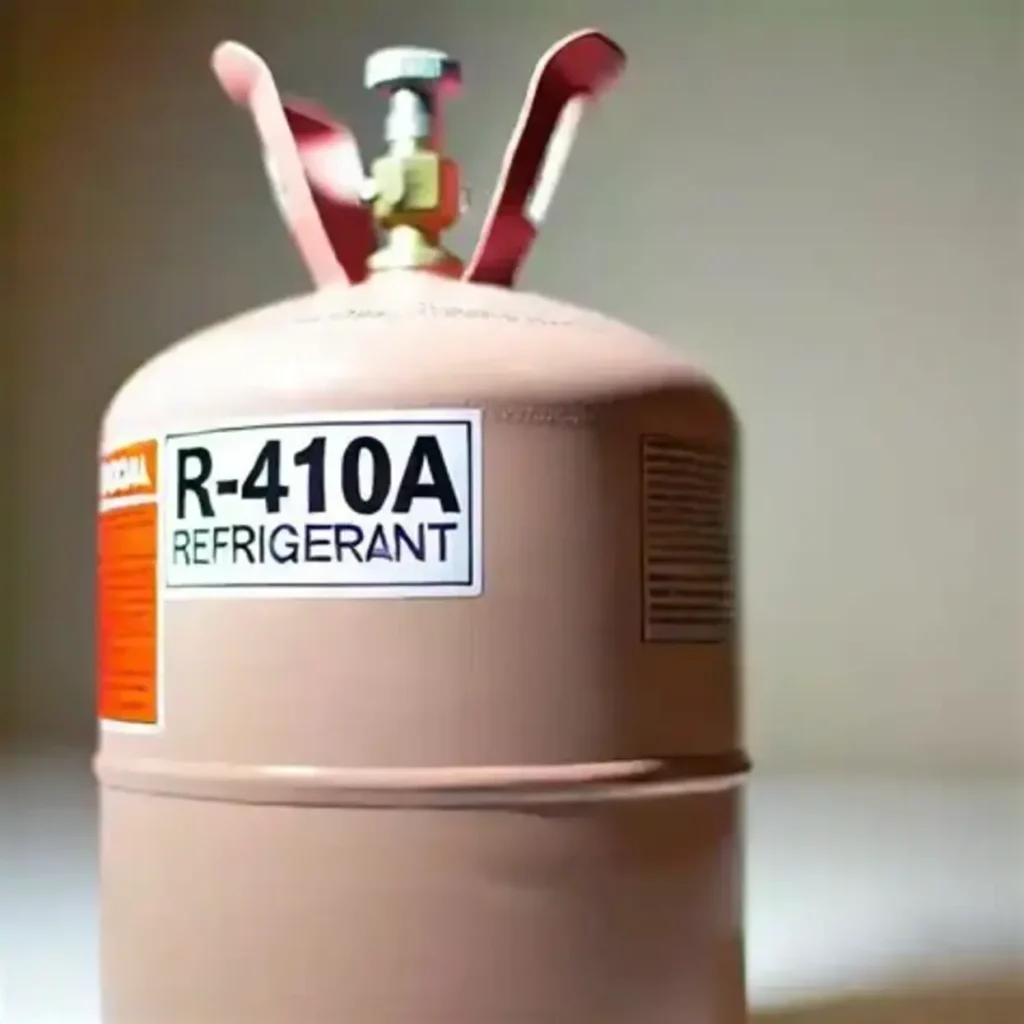
R-410A Refrigerant has been a cornerstone of modern air conditioning and heat pump systems for more than two decades. Designed as a high-efficiency alternative to older ozone-depleting refrigerants, it quickly became the industry standard in residential and light commercial HVAC equipment worldwide.
Today, however, the market is changing. Environmental regulations are tightening, supply chains are evolving, and new refrigerants are entering the field. For technicians and buyers, understanding R-410A Refrigerant—its properties, performance, regulatory status, and purchasing considerations—is critical for making informed decisions.
This article provides a clear, practical overview to help HVAC professionals, distributors, and facility managers navigate the current R-410A landscape.
What Is R-410A Refrigerant?
R-410A Refrigerant is a hydrofluorocarbon (HFC) blend composed of R-32 and R-125. It was introduced as a long-term replacement for R-22, which was phased out due to its ozone depletion potential (ODP).
Key Characteristics
- Zero Ozone Depletion Potential (ODP)
- High operating pressure compared to R-22
- Excellent heat transfer properties
Widely used in residential and commercial HVAC systems
Because of its thermodynamic performance, R-410A Refrigerant enables higher energy efficiency in properly designed systems. However, its higher Global Warming Potential (GWP) has placed it under increasing regulatory scrutiny.
Applications and System Compatibility
- R-410A Refrigerant is primarily used in:
- Residential split air conditioning systems
- Heat pumps
- Light commercial packaged units
VRF/VRV systems (in certain configurations)
It is not compatible with R-22 systems. The higher operating pressure requires:
- Specially designed compressors
- Reinforced tubing
- Dedicated service tools and gauges
- POE (polyolester) lubricants
Technicians must never attempt to retrofit R-22 equipment with R-410A Refrigerant without proper manufacturer approval and system redesign.
Performance Advantages
Despite regulatory changes, R-410A Refrigerant remains valued for its technical performance.
1. High Efficiency Potential
R-410A systems often deliver higher Seasonal Energy Efficiency Ratios (SEER) compared to legacy R-22 equipment. The refrigerant’s heat transfer properties allow for compact coil design and improved system output.
2. Reliable Cooling Capacity
Its pressure-temperature characteristics provide consistent performance across a wide range of ambient conditions, making it suitable for global markets—from hot climates to moderate regions.
3. Stable Blend Behavior
R-410A is a near-azeotropic blend, meaning it behaves almost like a single-component refrigerant during phase changes. This reduces fractionation risk when properly handled.
Regulatory Landscape and Global Transition
While R-410A Refrigerant does not harm the ozone layer, its GWP is approximately 2,088. As a result, many countries are now implementing phasedown programs under frameworks such as the Kigali Amendment to the Montreal Protocol.
Key global trends include:
- Gradual reduction in HFC production and import quotas
- Transition to lower-GWP alternatives such as R-32 or R-454B
- Increased compliance documentation requirements
For buyers, this means price volatility and availability fluctuations may continue in certain regions. For technicians, it means growing demand for refrigerant management skills and recovery best practices.
However, R-410A Refrigerant remains widely available and fully supported for servicing the large installed base of existing equipment.
Safe Handling and Best Practices for Technicians
Working with R-410A Refrigerant requires attention to safety and proper procedure.
Use Rated Equipment
Due to higher operating pressures (up to 50% higher than R-22 systems), technicians must use:
- R-410A-rated manifolds
- High-pressure hoses
- Proper recovery machines
- Approved recovery cylinders
Using under-rated tools increases the risk of equipment failure and injury.
Prevent Moisture Contamination
R-410A systems use POE oil, which is highly hygroscopic. Moisture contamination can cause acid formation and compressor damage. Best practices include:
- Evacuating systems thoroughly
- Minimizing exposure time
- Using sealed containers
- Follow Proper Charging Procedures
Because R-410A is a blended refrigerant, it should always be charged as a liquid to maintain proper composition. Vapor charging can alter the blend ratio and affect system performance.
Purchasing Considerations for Buyers and Distributors
For procurement teams and distributors, buying R-410A Refrigerant involves more than just checking the price per cylinder.
1. Quality and Certification
Always source from reputable manufacturers that comply with international purity standards such as AHRI 700. Impure refrigerant can lead to system inefficiency, warranty issues, and costly service calls.
2. Packaging Options
Depending on market needs, R-410A Refrigerant is typically available in:
- Disposable cylinders
- Refillable cylinders
- ISO tanks (for bulk buyers)
Selecting the right packaging improves logistics efficiency and reduces handling risks.
3. Regulatory Compliance
Ensure suppliers provide:
- Safety Data Sheets (SDS)
- Proper labeling
- Traceability documentation
Non-compliant refrigerant can lead to customs delays and legal penalties in regulated markets.
4. Long-Term Supply Strategy
Given the ongoing HFC phasedown, buyers should consider:
- Forecasting service demand
- Securing reliable supplier partnerships
- Monitoring regional regulatory developments
Strategic procurement planning helps stabilize pricing and avoid shortages.
Product Focus: Reliable Supply for a Changing Market
As global markets transition toward lower-GWP solutions, reliable R-410A Refrigerant supply remains essential for servicing millions of installed systems.
Leading suppliers now focus on:
- High-purity production processes
- Strict quality control
- Leak-tested cylinders
- Stable global distribution networks
For contractors and distributors, partnering with a manufacturer that emphasizes consistent quality and regulatory alignment ensures business continuity and customer trust.
A strong supplier should offer:
- Transparent technical documentation
- Responsive customer support
- Flexible packaging solutions
Compliance with international environmental standards
In a shifting regulatory climate, product reliability and supply stability matter more than ever.
The Future of R-410A Refrigerant
The HVAC industry is clearly moving toward next-generation refrigerants with lower GWP. New equipment in several markets is already transitioning to alternatives such as R-32 and R-454B.
However, R-410A Refrigerant will remain relevant for many years due to the vast installed base of equipment worldwide. Service demand will continue, especially in regions where system replacement cycles extend beyond a decade.
Technicians should expand their expertise to include emerging refrigerants while maintaining strong knowledge of R-410A systems. Buyers should adopt a balanced strategy that supports both current service needs and future product transitions.
Conclusion
R-410A Refrigerant has played a pivotal role in advancing HVAC efficiency and eliminating ozone-depleting substances. While regulatory pressures are reshaping the market, it remains a critical refrigerant for servicing existing systems globally.
For technicians, success depends on safe handling, correct equipment usage, and technical precision. For buyers and distributors, it depends on sourcing high-quality, compliant product from reliable suppliers.
Understanding both the technical and commercial dimensions of R-410A Refrigerant ensures informed decisions, operational efficiency, and long-term business resilience in a rapidly evolving HVAC industry.
Article about ” R-410A Refrigerant: What Technicians and Buyers Need to Know ” publish by harga ac 1/2 pk – acjakarta.com