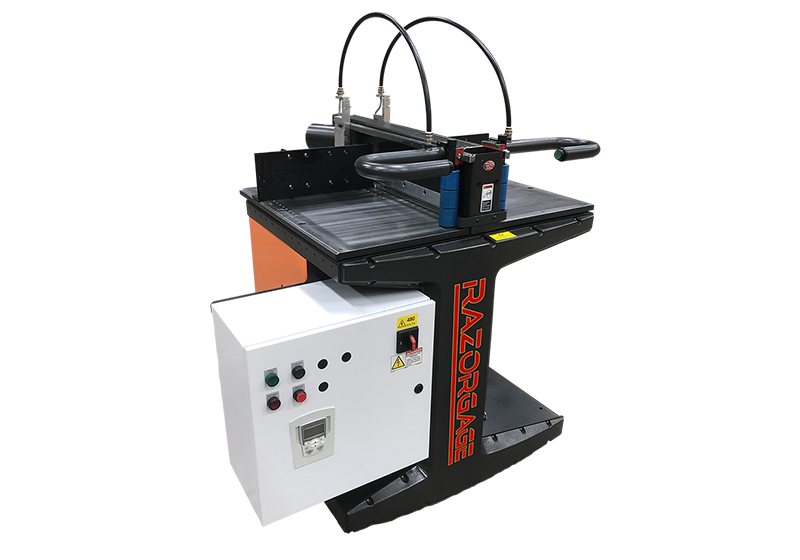
Woodworking has evolved significantly with the introduction of advanced machinery designed to improve accuracy and efficiency. Among these tools, the Industrial chop saw for wood stands out as an essential asset for workshops that demand consistent precision and reliable performance. From small-scale projects to large production environments, this type of equipment supports clean cuts, reduced material waste, and enhanced productivity. Understanding how these tools function and how they fit into modern woodworking practices helps professionals and enthusiasts make informed decisions.
Industrial Woodworking Tools Explained
Woodworking gear made for factories does the same job over and over without losing sharpness or strength. Not like regular tools, heavy-duty models run nonstop under tough demands. Sturdy parts inside, strong engines, along with exact movement controls keep every cut matching the last. When projects go on for hours, staying accurate matters most in workshops that demand steady output.
Cutting Accuracy Matters
Woodworking needs clean cuts to work well. A tiny mistake might mean parts do not fit, wood gets tossed, and things stay weak. Machines handle cutting with steady support and smooth movement instead of hands. When cuts hit the mark, pieces look better plus running the gear feels safer too.
How Efficiency Affects Production
What makes today’s workshops work well isn’t just skill – it’s how fast things get done while keeping waste low. Machines that cut precisely help people finish jobs quicker, yet still accurate. Because setups take less time and processes flow easier, workers spend energy shaping pieces instead of fixing hiccups. When fewer delays pop up, days run steadier, materials stretch further.
Durability and Long Term Use
Few things matter more than a tool that keeps working when needed. Built tough, using strong parts and smart design, these machines last. When gear holds up, work stops less often for fixes or swaps. Day after day, job after job, they push through heavy loads without failing. Tough builds mean steady results, no surprises, even when pushed hard.
Safety in Woodworking
Woodworking always carries some risk, no matter the setting. Machines used in factories tend to include smart safeguards for those running them. Smooth cuts happen when parts stay steady, materials are held firm, one thing leads to another without slips. When people learn the right methods and stick to rules, danger drops sharply. Accuracy thrives best where safety gets real attention.
Tools Adjusted for Each Project
A single cut might need just a steady hand, yet shaping an angle demands precise setup. Tools built for factories often shift roles easily, adapting through small changes that match the job at hand. With adjustments come options – different tasks fit into place without losing speed or precision.
Conclusion
As woodworking continues to embrace innovation, industrial cutting tools remain central to achieving precision, efficiency, and safety. Choosing the right equipment can significantly influence the quality of finished work and the smoothness of daily operations. When paired with accurate measuring and alignment systems such as RazorGage AngleMaster, these tools enable woodworkers to achieve repeatable results with confidence. Ultimately, investing in precision-focused solutions supports craftsmanship, productivity, and long-term success in modern workshops.
FAQs
What makes industrial cutting tools different from standard woodworking tools?
Industrial tools are built for continuous use, higher workloads, and greater precision. They typically feature stronger motors, reinforced frames, and enhanced accuracy systems.
Why is precision so important in woodworking projects?
Precision ensures proper alignment, reduces material waste, and improves the structural and visual quality of finished products. Accurate cuts also contribute to safer working conditions.
Are industrial tools suitable for small workshops?
Yes, many small workshops benefit from industrial-grade tools due to their reliability, efficiency, and ability to deliver consistent results over time.
How does efficiency impact woodworking operations?
Efficient tools reduce production time, minimize errors, and allow operators to focus on craftsmanship rather than constant recalibration or corrections.
What should be considered when selecting industrial woodworking equipment?
Key considerations include durability, accuracy, safety features, adaptability to different projects, and long-term operational reliability.