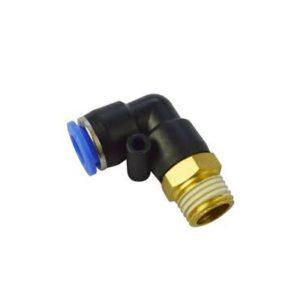
Imagine a system that uses air to power tools and machines. That is a pneumatic system. It is clean, efficient, and very common in many industries. From factories to workshops, compressed air does a lot of work. However, all that air needs to travel somewhere. It moves through tubes and hoses. The parts that connect all these tubes are called pneumatic pipe fittings. They are the unsung heroes of the system. They make sure air flows where it needs to go without leaking.
Choosing the right pneumatic pipe fittings is very important. The wrong fitting can cause leaks. Leaks make the system work harder and waste energy. The right fitting ensures everything runs smoothly and safely. In this guide, we will explore the world of these important components. We will look at the different types, materials, and how to choose the best ones for your needs.
What Are Pneumatic Pipe Fittings?
Pneumatic systems use compressed air or gas to create movement and power. Think of a robot arm on an assembly line. Think of a simple air tool in a garage. All these devices need a steady supply of pressurized air. This air travels through a network of tubes, pipes, and hoses.
Pneumatic pipe fittings are the connectors that join this network together. They connect tubes to other tubes. They connect tubes to valves, cylinders, and other components. Their main job is to provide a safe, leak-proof connection. This keeps the air pressure inside the system where it belongs. Without these fittings, a pneumatic system simply could not exist.
Common Types of Pneumatic Pipe Fittings
There are many different types of fittings. Each one has a specific job to do. Knowing the main types helps you choose the right one for your project.
Straight Fittings
These are the simplest type of fitting. A straight fitting connects two tubes in a straight line. It is used when you need to extend the length of a tube. One end connects to one tube. The other end connects to another tube. They are simple and effective for basic connections.
Elbow Fittings
Sometimes, tubes need to turn a corner. That is when you use an elbow fitting. These fittings have a bend. The bend is usually 90 degrees. Sometimes it is 45 degrees. They change the direction of the airflow. This helps you route tubes around obstacles. It keeps your system neat and organized.
Tee Fittings
A tee fitting looks like the letter T. It has three connection points. You use it to split one airflow into two directions. Or, you can use it to combine two flows into one. This is very useful in complex systems. It allows you to send air to multiple tools from one main line.
Cross Fittings
Cross fittings have four connection points. They look like a plus sign. They are used when you need to split airflow in four directions. These are less common than tees. However, they are very useful in certain applications.
Reducer Fittings
Not all tubes are the same size. Sometimes you need to connect a larger tube to a smaller one. A reducer fitting does this job. It has a larger opening on one end and a smaller opening on the other. It allows you to change the tube size smoothly without causing turbulence.
Quick-Connect Fittings
These are very popular in pneumatic systems. They allow you to connect and disconnect tools quickly. You do not need any tools to do it. You simply push the tube into the fitting. It locks in place. To remove it, you push on a release collar. This makes changing tools fast and easy.
Plug and Socket Fittings
These are often used for connecting air tools to hoses. The plug fits into the socket. They lock together securely. When you need to change tools, you simply disconnect the plug. It is a simple and reliable system.
Materials Used in Pneumatic Fittings
The material of the fitting matters a lot. It affects strength, weight, and resistance to corrosion. Here are the most common materials used.
Brass
Brass is a very popular material for pneumatic pipe fittings. It is strong and durable. It resists corrosion well. It is also easy to machine into complex shapes. Brass fittings are a great all-around choice for many applications. They work well in standard industrial environments.
Stainless Steel
Stainless steel is even stronger than brass. It also has excellent corrosion resistance. It is the best choice for harsh environments. This includes marine settings or places with chemicals. Stainless steel fittings are more expensive. However, they last a very long time in tough conditions.
Aluminum
Aluminum is lightweight and strong. It resists corrosion naturally. It is often used in applications where weight is a concern. This includes things like robotics and aerospace. Aluminum fittings are easy to work with and very reliable.
Plastic
Plastic fittings are lightweight and cheap. They are often used in low-pressure systems. They resist corrosion very well. However, they are not as strong as metal fittings. They can crack under high pressure or impact. They are best for simple, light-duty applications.
How to Choose the Right Pneumatic Pipe Fittings
Choosing the right fitting can feel overwhelming. However, if you follow a few simple steps, it becomes much easier. Here is what you need to consider.
Know Your Pressure
Every pneumatic system operates at a certain pressure. This is measured in PSI or bar. You must choose fittings that can handle your system’s pressure. Check the pressure rating on the fitting. Make sure it is higher than your system’s maximum pressure. This is a critical safety step.
Know Your Tube Size
Fittings are designed for specific tube sizes. You need to know the outer diameter of your tube. This is usually measured in inches or millimeters. Choose a fitting that matches this size exactly. A mismatched size will leak or not connect at all.
Consider Your Environment
Where will the system be used? Is it a clean, dry factory? Or is it a wet, salty marine environment? For dry, indoor use, brass or plastic works well. For wet or outdoor use, choose stainless steel. It will resist rust and corrosion much better.
Think About Flow
How much air do you need to move? The size of the fitting affects airflow. If the fitting is too small, it will restrict the flow. This can starve your tools of air. Make sure the fitting’s internal diameter is large enough for your needs. This keeps your tools running at full power.
Ease of Installation
Think about who will install the fittings. Do you need tools for installation? Some fittings require wrenches and sealant. Others, like push-to-connect fittings, install in seconds. Choose a style that matches your skill level and tools.
Installation Tips for Pneumatic Fittings
Installing pneumatic pipe fittings correctly is important. A bad installation leads to leaks. Here are some simple tips to do it right.
First, cut your tubes cleanly. Use a proper tube cutter. A ragged cut will not seal well. Make sure the cut is straight and smooth. This helps the fitting grip the tube evenly.
Second, push the tube in all the way. For push-to-connect fittings, you must push until it stops. Give it a small tug to make sure it is locked. For threaded fittings, use the right sealant. Teflon tape is common. Wrap it in the direction of the threads. This prevents leaks at the connection point.
Third, do not overtighten. Metal fittings can crack if you tighten them too much. Plastic fittings can strip. Tighten them firmly, but do not force them. If it leaks, take it apart and check the sealant.
Finally, test your system. After installation, turn on the air pressure slowly. Listen for hissing sounds. You can also use soapy water. Put it on the connections. If you see bubbles, you have a leak. Tighten or re-seal that connection.
Conclusion
Pneumatic fittings are small but vital parts of any air system. They connect everything together. They ensure air flows smoothly and safely. Understanding the different types and materials helps you make smart choices.
Whether you need a simple straight connector or a complex multi-port fitting, the right part exists. Consider your pressure, tube size, and environment. Choose quality fittings that match your needs. Install them carefully. Maintain them regularly.