From Partial Coverage to Strategic Protection
One of the biggest changes in recent years is how coverage is approached.
The Decline of “Basic Kits”
Traditional partial kits—just the hood edge and mirrors—are becoming less popular. Not because they don’t work, but because customers now better understand impact zones.
Instead of asking for the cheapest option, many drivers ask:
-
Where does my car actually take damage?
-
What areas see the most road debris over time?
As a result, installers are focusing on strategic coverage, such as:
-
Full front ends
-
Rocker panels and rear quarter impact areas
-
Lower door sections on daily-driven vehicles
This shift shows a more educated customer base and a more thoughtful installation approach.
Wrapped Edges Are Becoming the Standard
A few years ago, exposed edges were considered acceptable. Today, they’re often viewed as unfinished.
Why Wrapped Edges Matter
Wrapped edges reduce:
-
Visible film lines
-
Dirt buildup along edges
-
Premature lifting
They also make the film less noticeable, especially on lighter paint colors.
Personal Observation
One common mistake I still see is installers rushing edge work to save time. Ironically, edge wrapping is where patience pays off the most. A clean edge often matters more than the brand of film used.
Pre-Cut vs Bulk Installation: A More Balanced View
This debate isn’t new, but the trend is shifting away from extremes.
Pre-Cut Patterns Are Improving
Modern software and plotters now produce patterns that:
-
Fit more accurately
-
Reduce cutting on the vehicle
-
Speed up consistent installs
For flat or simple panels, pre-cut makes sense.
Bulk Installations Still Have Their Place
Complex areas like:
-
Bumpers with deep contours
-
Custom aero parts
-
Older or modified vehicles
often benefit from bulk installs, where film can be stretched and wrapped more naturally.
The current trend isn’t choosing one over the other—it’s knowing when to use each.
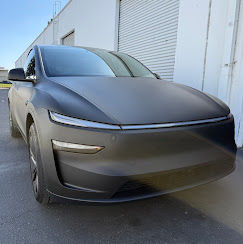
Matte and Satin PPF Are No Longer Rare Requests
Gloss PPF still dominates, but matte and satin finishes are no longer uncommon.
Drivers are using PPF not just for protection, but for visual transformation—without committing to paint or permanent changes.
Why Installers Are Adapting
-
Matte films highlight installation flaws more than gloss
-
Stretch marks and trapped moisture show easily
-
Surface prep must be near-perfect
This has raised the overall skill level required for modern PPF work.
Software-Guided Installs Are Changing Workflow
Installation trends aren’t just about the film—they’re about process.
Digital Pattern Adjustments
Many shops now:
-
Modify patterns digitally before cutting
-
Adjust edge allowances for wrapping
-
Save custom templates for repeat vehicles
This reduces on-car adjustments and improves consistency.
According to detailing professionals referenced in guides like PPF Long Beach, this digital-first approach has significantly reduced rework on high-end vehicles where margins are tight.
Climate-Controlled Install Environments Are Becoming Essential
This trend is often overlooked, but it’s critical.
PPF adhesives are sensitive to:
-
Temperature
-
Humidity
-
Airborne dust
More installers are investing in:
-
Enclosed install bays
-
Filtered airflow
-
Stable temperature control
Insider Tip #1
If you’re evaluating a shop, ask where the film is installed—not just what film they use. Environment affects long-term adhesion more than most people realize.
Longer Cure Awareness and Aftercare Education
Another noticeable trend is better communication about curing.
What’s Changed
Installers now take more time to explain:
-
Why small bubbles may appear temporarily
-
How long edges take to fully set
-
When washing is actually safe
This reduces unrealistic expectations and improves customer satisfaction.
Insider Tip #2
If you’re installing PPF yourself or overseeing a project, avoid heat guns during early curing unless absolutely necessary. Excessive heat can weaken adhesive memory, especially along wrapped edges.
Customization Based on Driving Habits
Instead of one-size-fits-all packages, installs are becoming more personalized.
Examples include:
-
Extra protection on rear doors for rideshare vehicles
-
Extended rocker coverage for highway commuters
-
Trunk ledge protection for SUVs and hatchbacks
This trend reflects experience. Installers who’ve seen long-term wear patterns design coverage differently than those following generic templates.
PPF as Part of a Larger Protection System
PPF is increasingly installed alongside:
-
Ceramic coatings
-
Window tint
-
Trim protection
Rather than treating PPF as a standalone service, professionals now view it as one layer in a broader vehicle protection strategy.
This integrated mindset influences:
-
Installation order
-
Surface prep methods
-
Product compatibility
Education Is Driving the Market Forward
Perhaps the most encouraging trend is how informed customers have become.
Drivers now ask about:
-
Film thickness vs flexibility
-
Yellowing resistance
-
Self-healing behavior
This pushes installers to stay sharp and transparent, which benefits the entire industry.
Final Thoughts: Trends That Actually Improve Results
Not every trend is worth following, but many current shifts in PPF installation genuinely improve outcomes. Better edge work, smarter coverage choices, improved environments, and more honest communication all lead to longer-lasting protection.
The biggest takeaway is simple: good PPF installation today is less about shortcuts and more about process. When installers slow down, adapt techniques, and match coverage to real-world use, the film does exactly what it’s meant to do—quietly protect the paint underneath.
Also read for more information so click here.